You clicked out of your bindings, the sun is dropping behind Vail Mountain, and you can already hear live music floating across the plaza. If you want an easy après routine with great dining and no need for a car, Vail Village makes it simple. You care about walk-to-lift mornings, late‑afternoon patios, and short strolls to dinner, and you want to know how it actually feels day to day. In this guide, you’ll see how Vail Village delivers that car‑free lifestyle, what to expect during peak season, and what to look for if you plan to buy. Let’s dive in.
Why Vail Village works for après
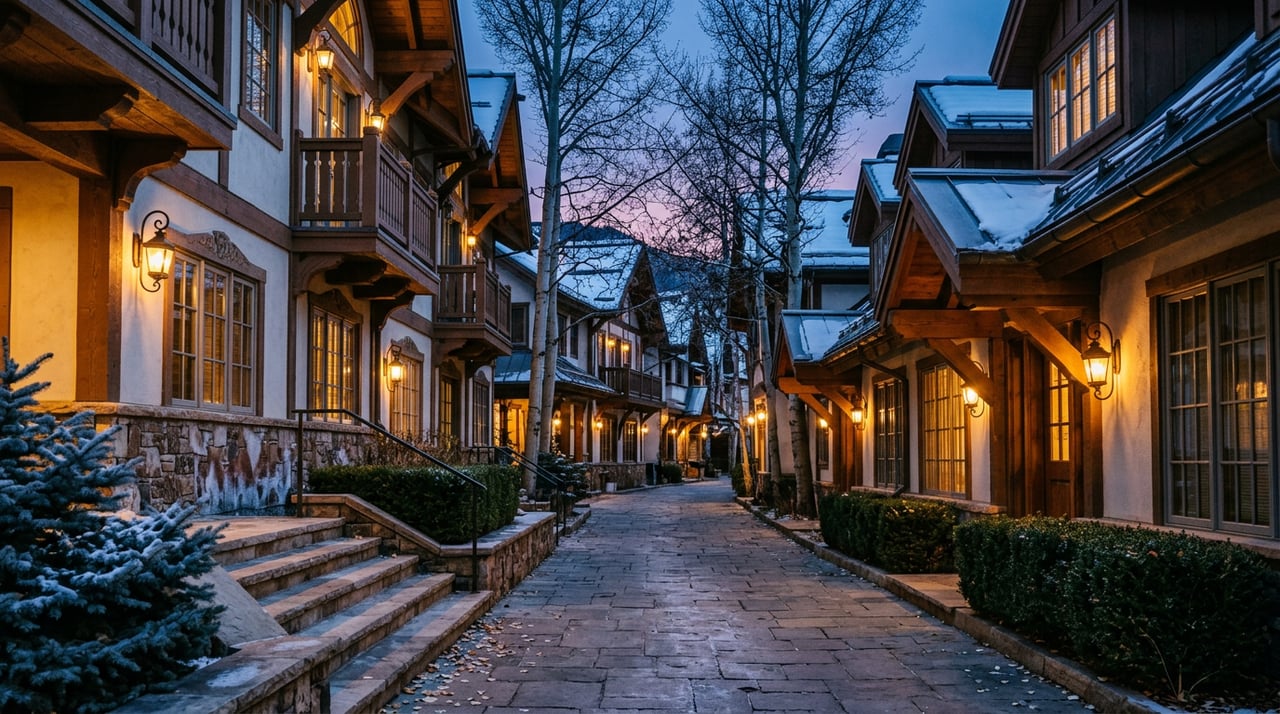
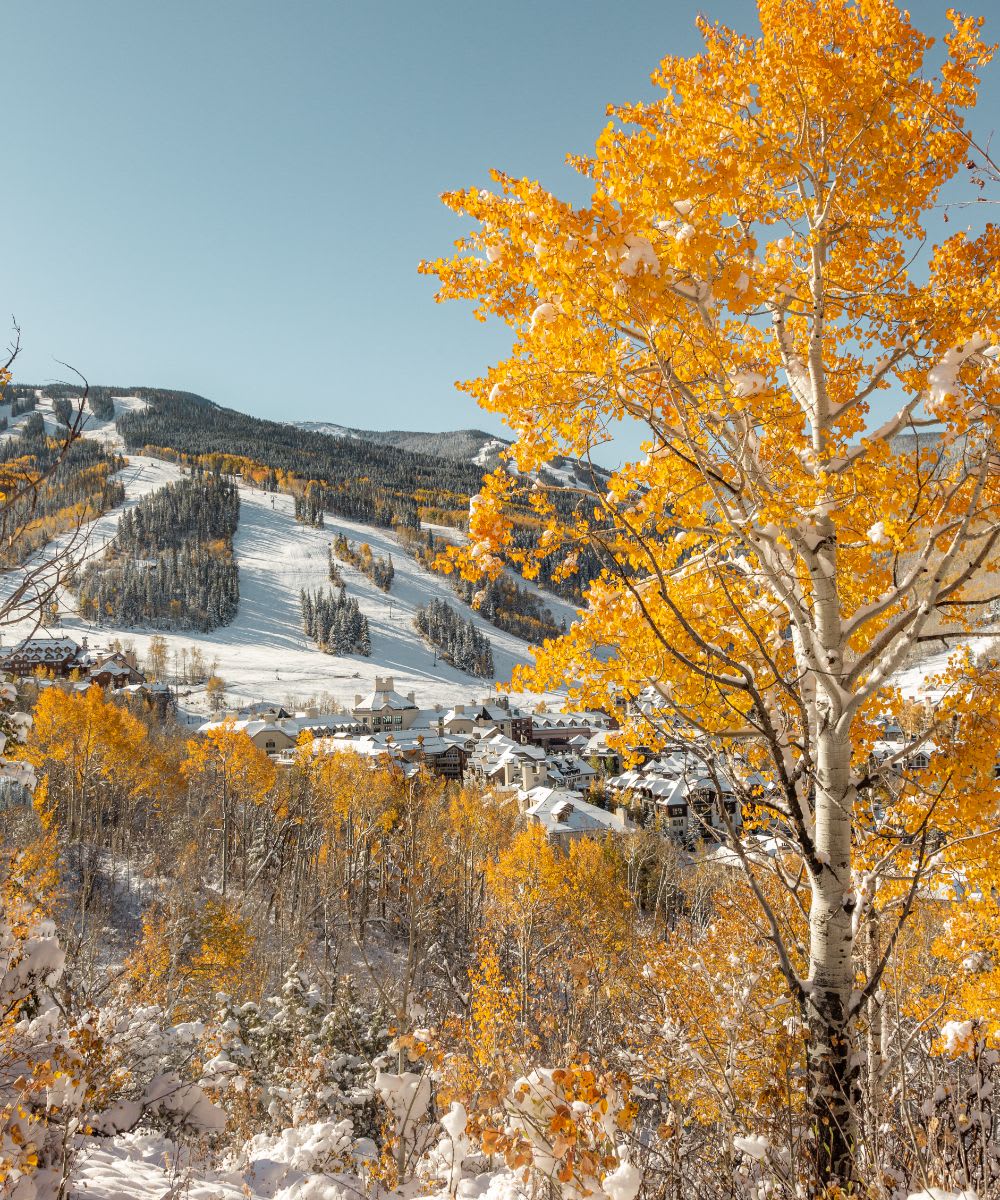
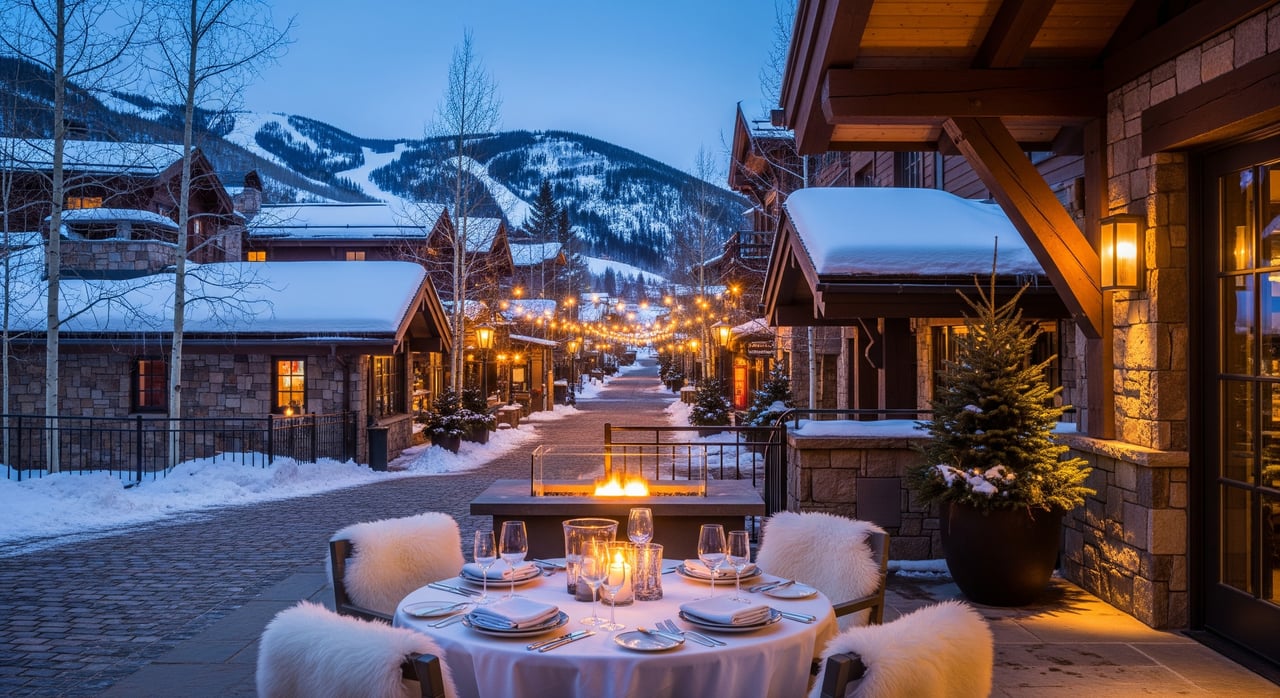
You are at the base of Vail Mountain, steps from Gondola One and nearby chairlifts, so the classic “boots off to barstool” move is fast. The Village is compact and designed for pedestrians, with plazas, bridges, and narrow streets that connect hotels, condos, shops, and restaurants. Many spots are within a few minutes on foot from the lifts, which is a major reason the Village is considered a walk‑to‑lift location. For resort context and current mountain information, browse the official Vail Mountain resort and dining listings.
Keep in mind Vail’s elevation is around 8,000 feet. Altitude can make even short walks feel longer, especially in the first day or two. Take your time, hydrate, and plan routes that avoid steeper stairways if you prefer an easier stroll.
Dining variety within minutes
Vail Village packs a wide range of après and dining options into a small footprint. Expect premium pricing compared with non‑resort towns, and remember that reservations are smart during holidays and weekends. Many restaurants operate year‑round, though some are seasonal, so confirm current hours before you go.
Casual bars and taverns
These spots are your fastest path from piste to pint. You will find lively rooms, pub fare, and often outdoor or covered patios where you can warm up and linger. Peak après runs from about 2 to 6 pm, and crowds swell on weekends and holiday periods.
On‑mountain and base dining
On‑mountain restaurants are a fun late‑afternoon draw before you download, while base venues line the frontline of the Village. If you want the quickest transitions, choose a property or hotel close to the lift you use most often. For lift locations, trail maps, and seasonal updates, check the official Vail Mountain site.
Fine dining and reservations
Chef‑driven restaurants concentrate in the Village core. They are walkable from most lodging and residences, but you should book ahead for prime times during peak season. A late‑afternoon reservation around 4 to 5 pm is an easy way to slide from après to dinner without a long wait.
Quick bites and grab‑and‑go
Bakeries, delis, and pizza counters keep the energy up when you want to eat now and regroup later. These are handy for families who want a fast option before evening activities.
Après with live music
Live bands and DJs are a staple during busy weeks. Venues with music often become focal points and can fill quickly. Plan for a short wait and consider arriving near the start of the after‑ski window.
Walkability and car‑free living
The Village was built for pedestrians. Many buildings sit a few minutes from the lifts and central plazas, which means you can leave your car in storage and rely on footpaths most days. Snow and ice are a reality in winter, so footwear with good traction makes a noticeable difference.
Proximity to lifts and routes
Walk times depend on your building’s exact block and the route you choose. Some connections include stairs or sloped streets, especially near bridges or side lanes. When touring properties, note the path you would use on a typical ski day and ask about any steps or grade changes.
Winter walking tips
- Wear insulated shoes or boots with traction, especially in late afternoon when shade can refreeze surfaces.
- Give yourself a few extra minutes in icy or snowy conditions.
- If you prefer level routes, plan paths that use main plazas and bridges rather than side stairs.
Shuttles and regional transit
You can live comfortably without a car by pairing walking with the Town of Vail’s local buses. Routes connect Vail Village, Lionshead, West Vail, and neighborhood stops, and they are helpful for grocery runs or short hops on cold nights. For schedules, parking policies, and service updates, start with the Town of Vail transportation resources.
Regional transit options link Vail with nearby towns and the Eagle County airport area. On busy weekends and during winter weather, plan ahead for taxis and rideshares since availability can vary. For broader county services and transit connections, refer to Eagle County resources.
A sample après‑to‑dinner timeline
- 2:45 pm: Last run to the base, drop skis in your building’s locker, and switch to warm street shoes.
- 3:00 pm: Short stroll to a heated patio for a drink and small bites. Check your dinner reservation and adjust if you want more time.
- 4:30 pm: Walk a few minutes to your dinner spot. Hand warmers and a scarf keep the stroll comfortable in cooling temps.
- 6:30 pm: After dinner, enjoy a loop through the plazas for dessert or live music, then head home on foot or hop a quick shuttle.
Buying for a walk‑to‑lift lifestyle
If you are exploring a second home in Vail Village, focus on features that make daily life smooth in all seasons. The bulk of properties are condominiums or townhomes, often in mixed‑use buildings with hotel‑style amenities.
Must‑have building amenities
- Ski lockers or a boot room with dryers for easy transitions
- On‑site or adjacent dining to simplify peak nights
- Fitness, spa, or pool for non‑ski days
- Front desk, valet, or concierge services if you plan to visit periodically
HOA and rental details
- Review HOA rules, budgets, and reserves to understand services and fees.
- Short‑term rental policies vary by building and jurisdiction, so confirm current Town of Vail and HOA rules before modeling rental income.
- Ask about snow removal standards and winter maintenance for entries and walkways.
Cost context
- Properties in the Village carry a premium for proximity to lifts and dining.
- Operating costs can be higher in high‑service buildings due to amenities and staffing.
- For property tax valuations and county resources, consult the Eagle County Assessor.
Practical tips for a smooth stay
- Book dinner in advance during holidays and weekends.
- Aim for late‑afternoon reservation times to glide from après to your table.
- Pack traction footwear and a warm mid‑layer for short winter walks.
- When touring, time your actual walk from locker to lift and from lift to your favorite dining blocks.
- Consider properties close to the specific lift you expect to use most often.
Key resources
- Official Vail Mountain resort and dining
- Town of Vail transportation and services
- Local news and openings via the Vail Daily
- County services and transit connections at Eagle County
Ready to narrow the best blocks and buildings for your lifestyle, from quick lift access to the dining scene you love? Reach out for local guidance that blends micro‑market insight with concierge‑level service. Contact Gardner & Gardner Resort Real Estate for a private, no‑pressure property consultation.
FAQs
What is après‑ski like in Vail Village?
- Expect a lively scene from mid‑ to late‑afternoon with heated patios, live music at select venues, and many options within a short walk of Gondola One.
Can I visit or live here without a car?
- Yes. The Village is designed for pedestrians, and the Town of Vail runs local buses that connect key areas. Taxis and rideshares supplement travel during peak times.
How close are restaurants to the lifts?
- Many dining spots sit within a few minutes on foot from base lifts, but exact times vary by building, route, and winter conditions. Confirm the path for your preferred property.
Are restaurants open year‑round in Vail Village?
- Many core restaurants operate year‑round, while others are seasonal. Always confirm current hours, especially in shoulder seasons and on holidays.
How does winter weather affect walking between venues?
- Snow and ice can slow walks and make some stairs slick, so wear traction footwear and allow a few extra minutes when temperatures drop.
What should buyers look for to maximize walkability?
- Prioritize ski lockers, short and level routes to the lift, on‑site or adjacent dining, and a building with strong winter maintenance. Review HOA rules and rental policies in advance.