If you are looking at Beaver Creek golf course properties, it helps to know that you are not just buying a home near a fairway. You are buying into a resort setting with seasonal access, layered ownership costs, and a lifestyle that shifts from golf in summer to skiing and village life in winter. This guide will help you understand how Beaver Creek golf course ownership works, what to ask before you buy, and how to evaluate the lifestyle fit with confidence. Let’s dive in.
What Beaver Creek golf ownership means
At the center of the golf lifestyle is Beaver Creek Golf Club, a Robert Trent Jones Jr.-designed course that opened in 1982. The official scorecard lists the course at 6,642 yards and par 70, with a mountain setting and a layout known for narrow, challenging fairways.
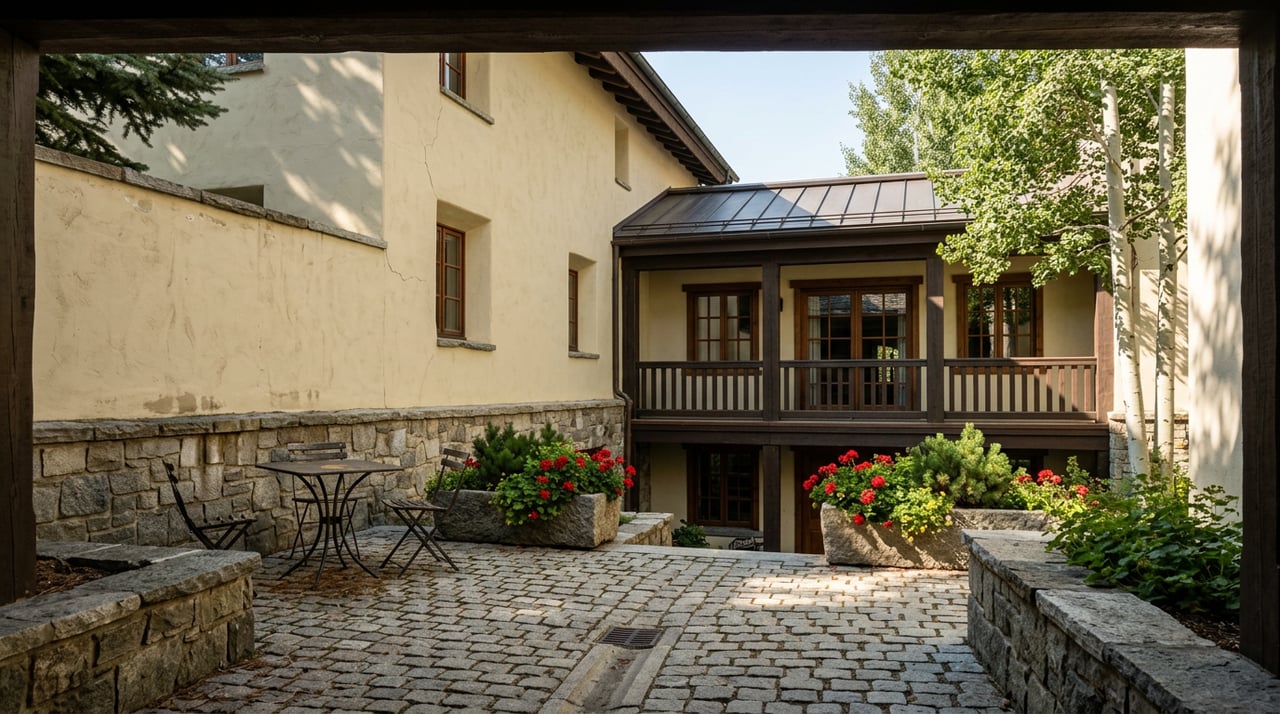
That sounds straightforward, but the real estate side is more nuanced. In Beaver Creek, a “golf course property” often means a home or condo with a mixed resort orientation, where golf views and ski-mountain views can overlap rather than a purely fairway-front setting.
View corridors are often mixed
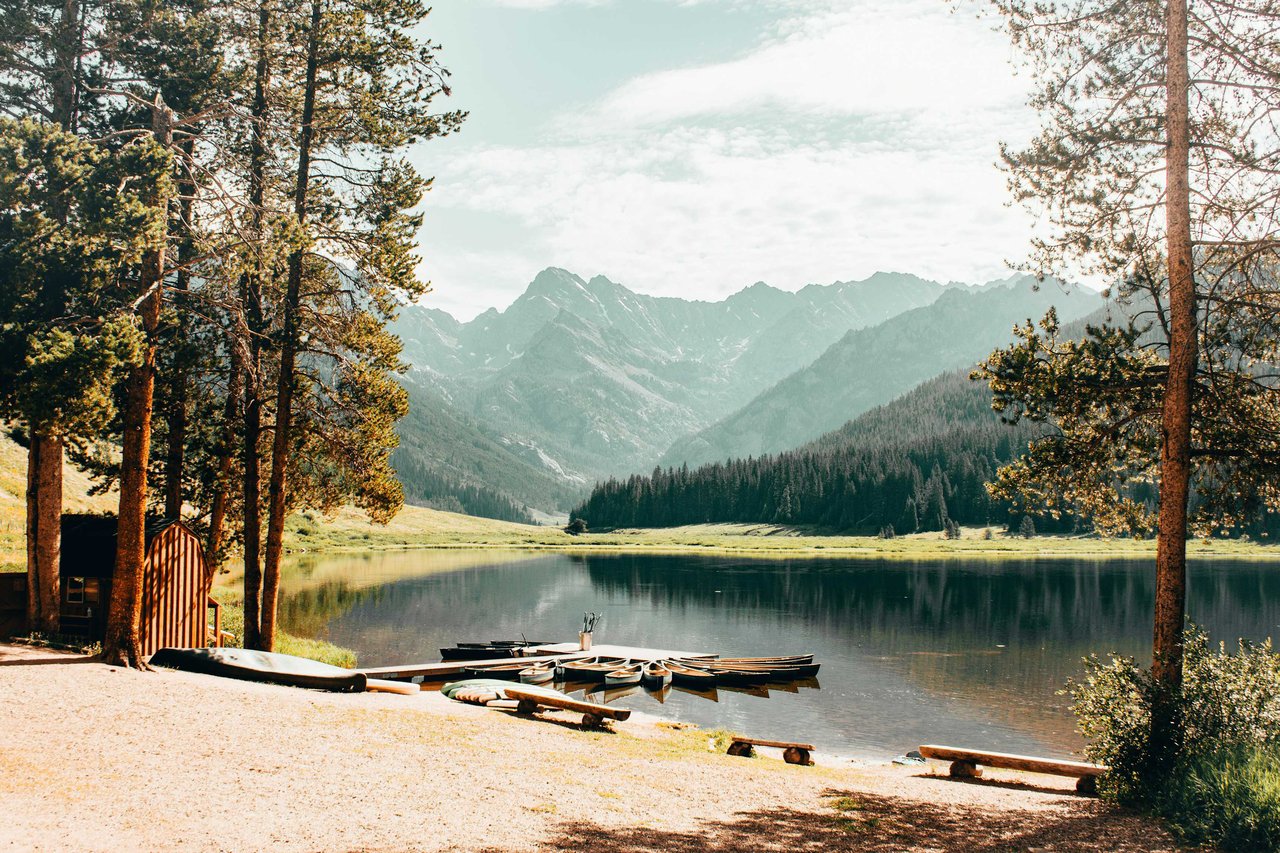
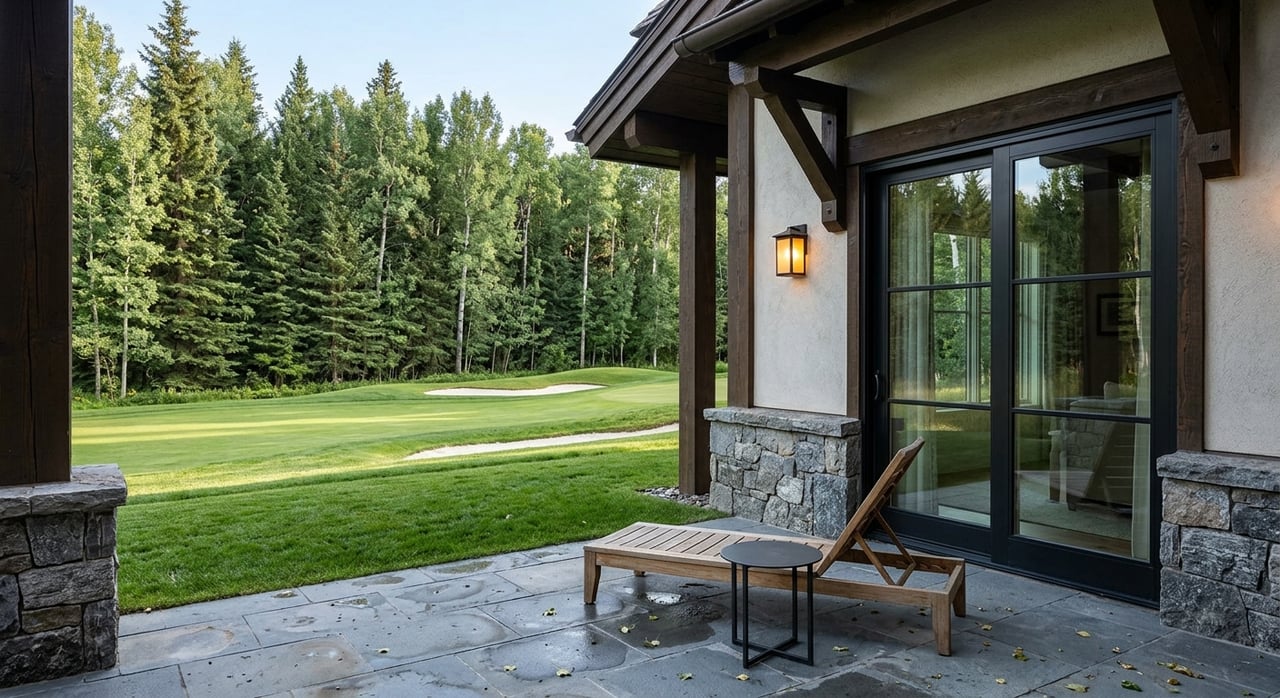
One of the most helpful ways to think about Beaver Creek is that many residences connect to both its summer and winter identities. The official Borders Lodge page is a good example, describing ski-mountain views to the south and Beaver Creek Golf Course fairway views to the north.
For you as a buyer, that means view value may come from more than one direction. A property near the course may offer a combination of open fairway sightlines, mountain scenery, and resort-village proximity rather than the single-purpose feel you might find in a traditional golf subdivision.
Golf access is not automatic
This is one of the biggest points to understand before you buy. Living near the course does not automatically give you public-style golf access.
According to Beaver Creek’s summer resort information, golf access is weather dependent and typically runs from mid-May through early October. The resort also states that the course is available to members and to Beaver Creek, Bachelor Gulch, and Arrowhead lodging guests, not the general public in the usual municipal-course sense, as noted in the Beaver Creek Summer 2025 update.
That distinction matters if golf is a major part of your ownership goals. Before you move forward on any property, you will want to confirm whether access comes through club membership, lodging status, or another arrangement tied to the property.
Property types near the golf course
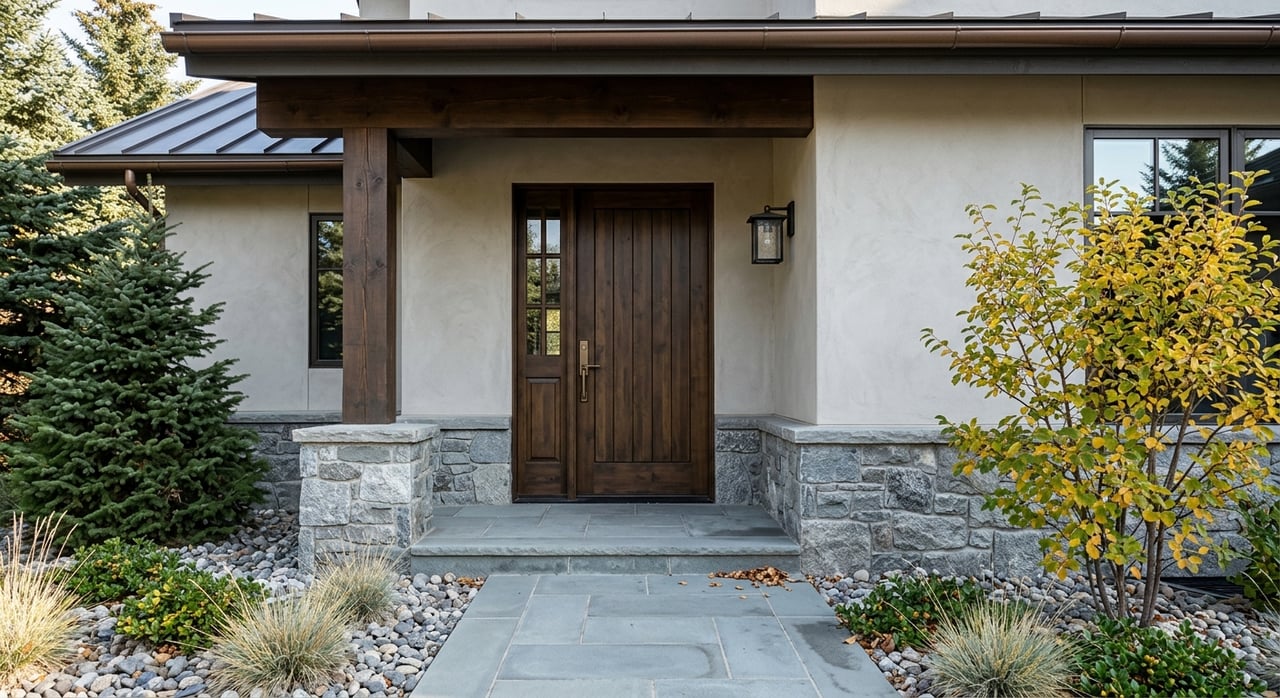
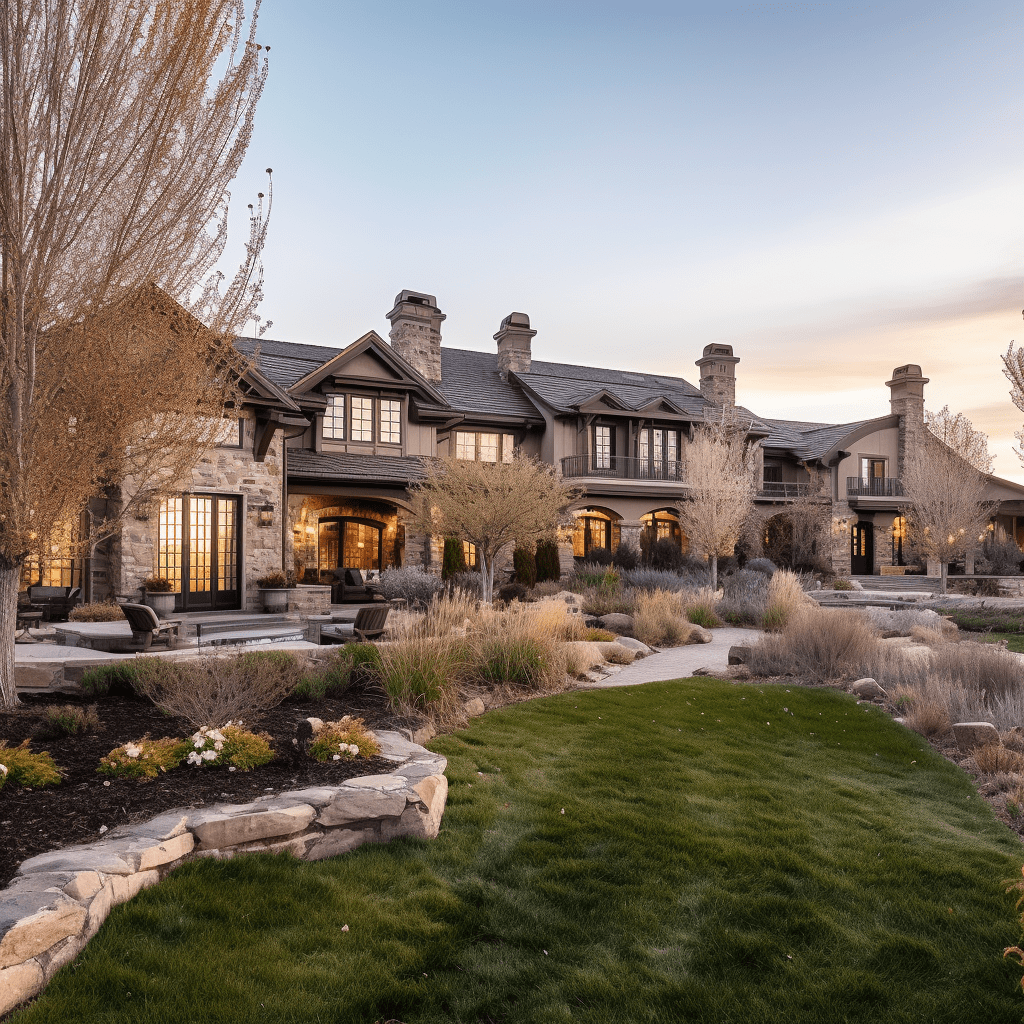
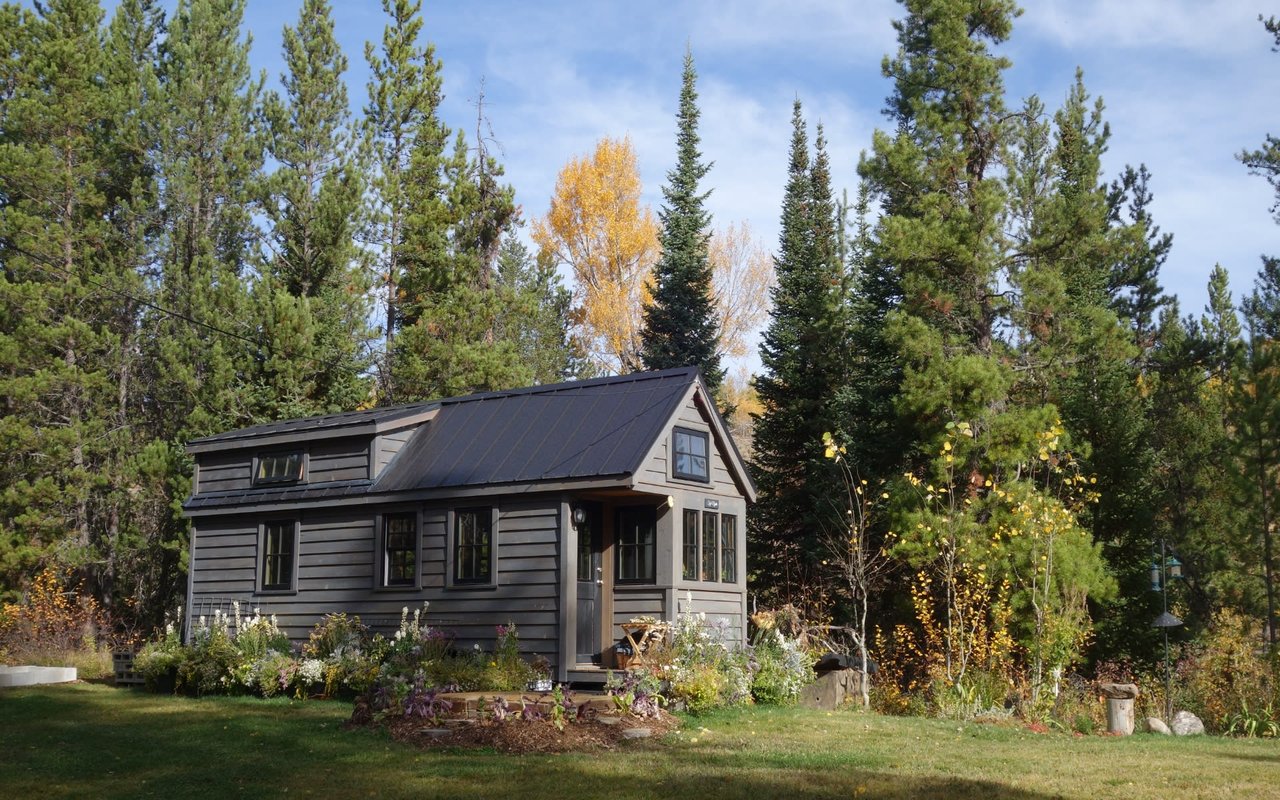
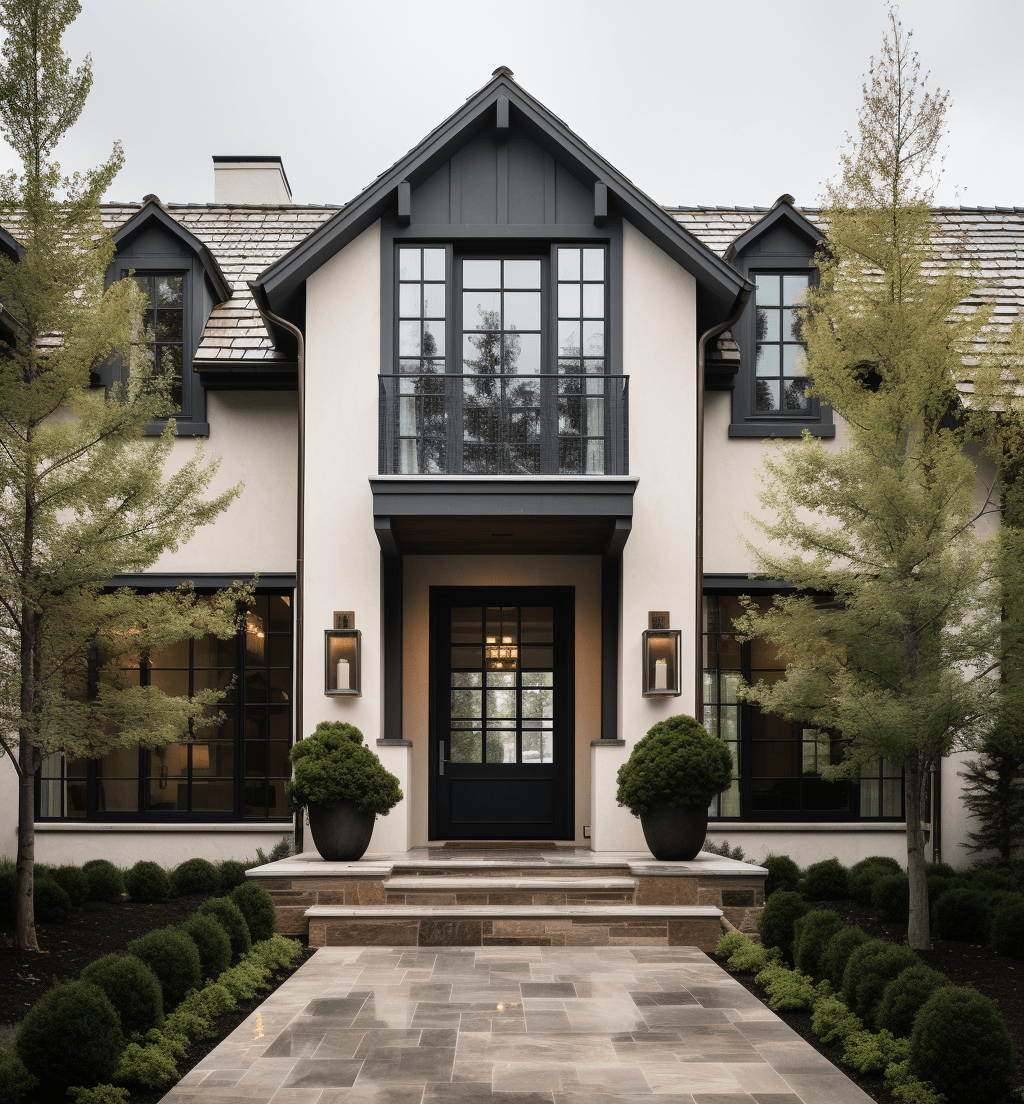
Beaver Creek offers a broader range of property formats than many buyers expect. The official property management overview shows inventory that includes condominiums, townhomes, villas, hotel-condo hybrids, and some private homes across the Beaver Creek area.
That variety is important because your ownership experience can differ significantly depending on the property type. A condo may offer a more lock-and-leave setup, while a townhome or private home may involve a different level of maintenance, privacy, storage, and rental flexibility.
Beaver Creek ownership is resort-based
Another difference in Beaver Creek is the ownership structure itself. Beaver Creek is not a municipality in the traditional sense.
The Beaver Creek Resort Company assessments page explains that the organization combines a homeowners association and resort association and provides some municipal-style services. These services include transportation, village maintenance, village security, events, marketing, and community quality.
For you, this means ownership is tied to a resort operating system rather than a standard town government model. That can be a benefit from a service and upkeep standpoint, but it also means you should look closely at the fee structure and how it applies to your intended use.
Costs to evaluate before buying
In Beaver Creek, your ownership costs may include more than purchase price, HOA dues, and taxes. The resort-company assessments page outlines several potential charges that buyers should review carefully.
These can include:
- A civic assessment on sales and short-term rentals
- A lodging civic assessment on short-term rental nights
- A mountain civic assessment on lift tickets and on-mountain restaurants
- A 5% recreation assessment on activities such as golf
- A 2.375% real estate transfer assessment on real estate sales
If you are comparing Beaver Creek to another resort market, these layers can affect your annual carrying costs and your transaction math. For remote owners and second-home buyers especially, understanding the full cost picture early can help you avoid surprises.
Renting your property adds another layer
If you plan to rent the property, even occasionally, it is smart to review the rules before you make an offer. According to the same assessments information, if a home or condo is rented for more than four days in a month, the owner must obtain a lodging business license.
That does not mean renting is not workable. It simply means investor-minded buyers and part-time owners should treat Beaver Creek as a regulated resort environment, with licensing, assessments, and possible program rules that need to be understood in advance.
Club membership is a separate question
Many buyers assume that owning in Beaver Creek automatically includes broader club privileges. That is not necessarily the case.
The Beaver Creek Club is established exclusively for Beaver Creek property owners and offers year-round social events along with amenities such as a clubhouse, fitness center access, private on-mountain dining, ski storage and lockers, and summer golf. Still, club affiliation should be confirmed independently for each property and ownership scenario.
If you are focused on a full resort lifestyle, this can be an important part of your due diligence. In some cases, club-related lifestyle benefits may be just as meaningful as the home itself.
Golf is only part of the lifestyle
A Beaver Creek golf property is best understood as a two-season resort asset. Summer golf is a major draw, but it is only one part of how owners use the property throughout the year.
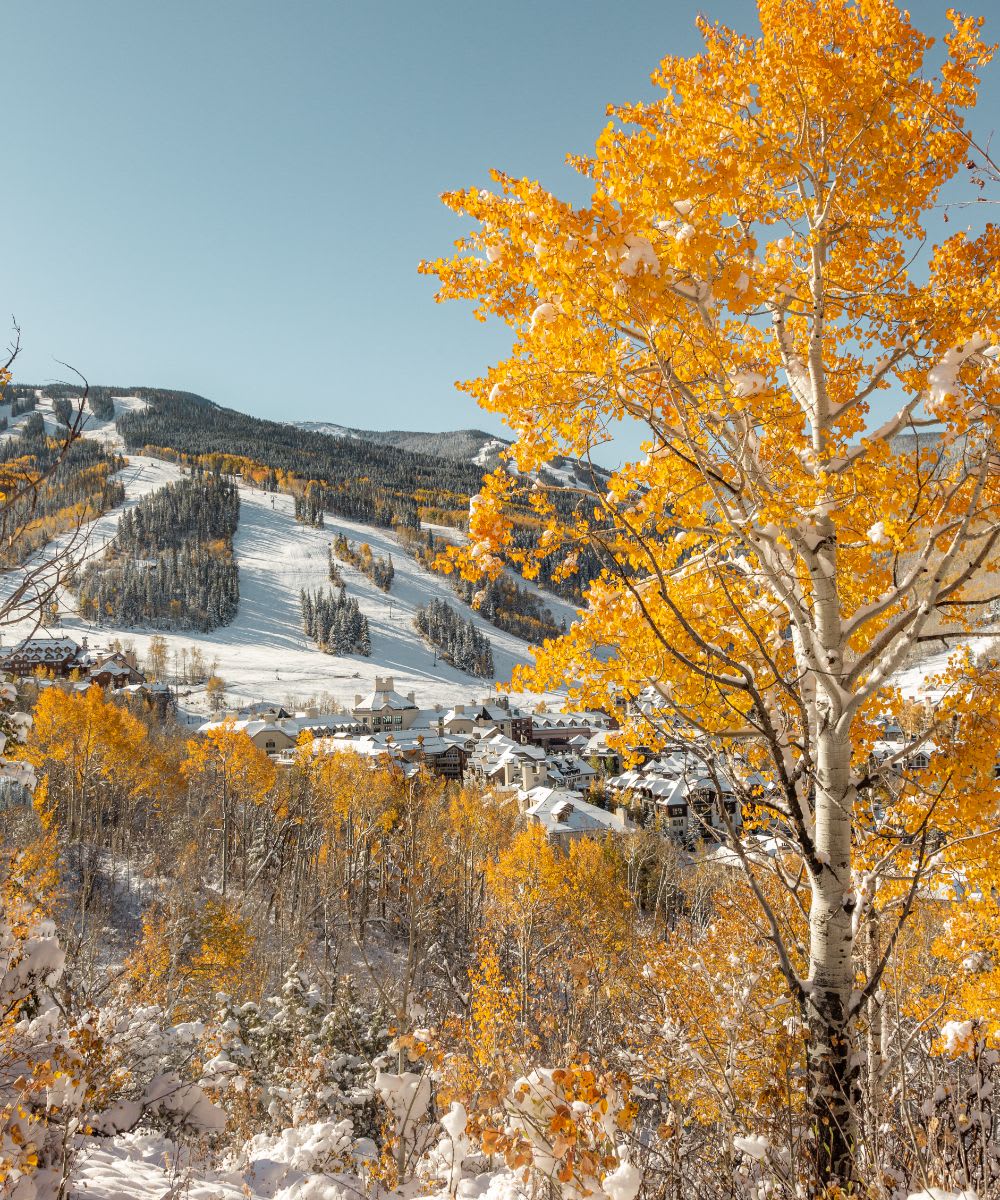
In winter, Beaver Creek offers a substantial ski experience. The official winter resort overview lists an 8,100-foot base elevation, 11,440-foot summit elevation, 2,082 skiable acres, 167 trails, 24 lifts, and an average annual snowfall of 323 inches.
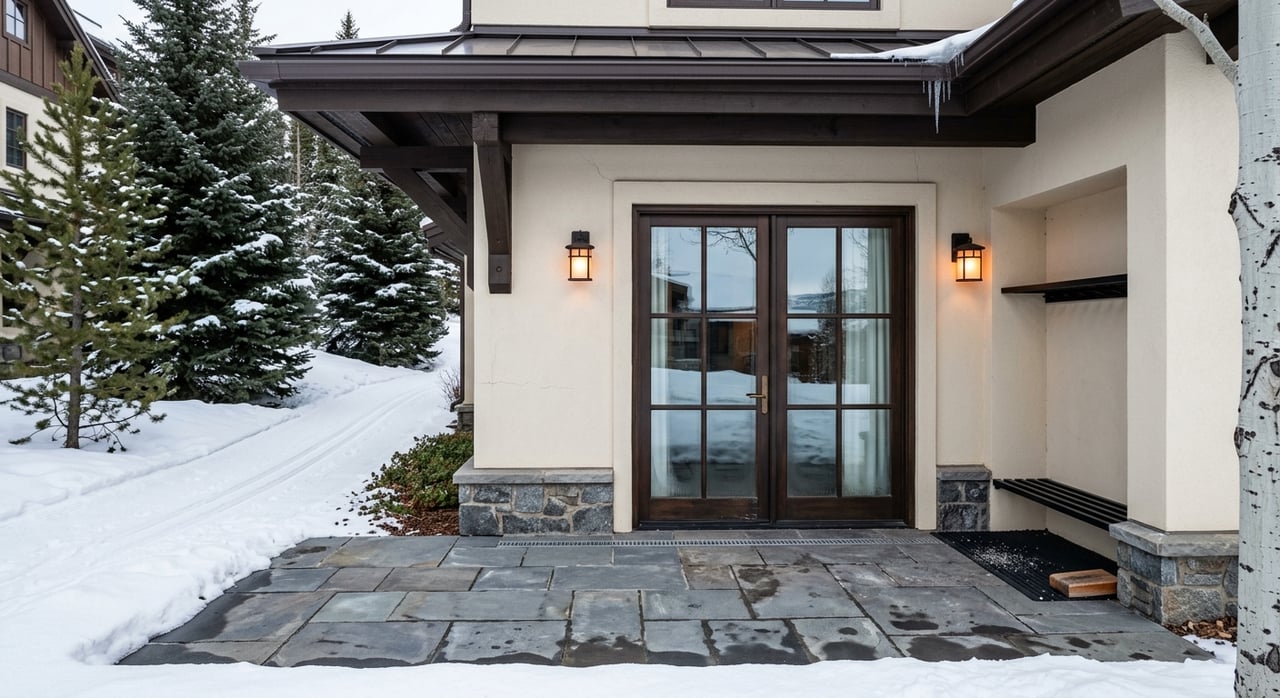
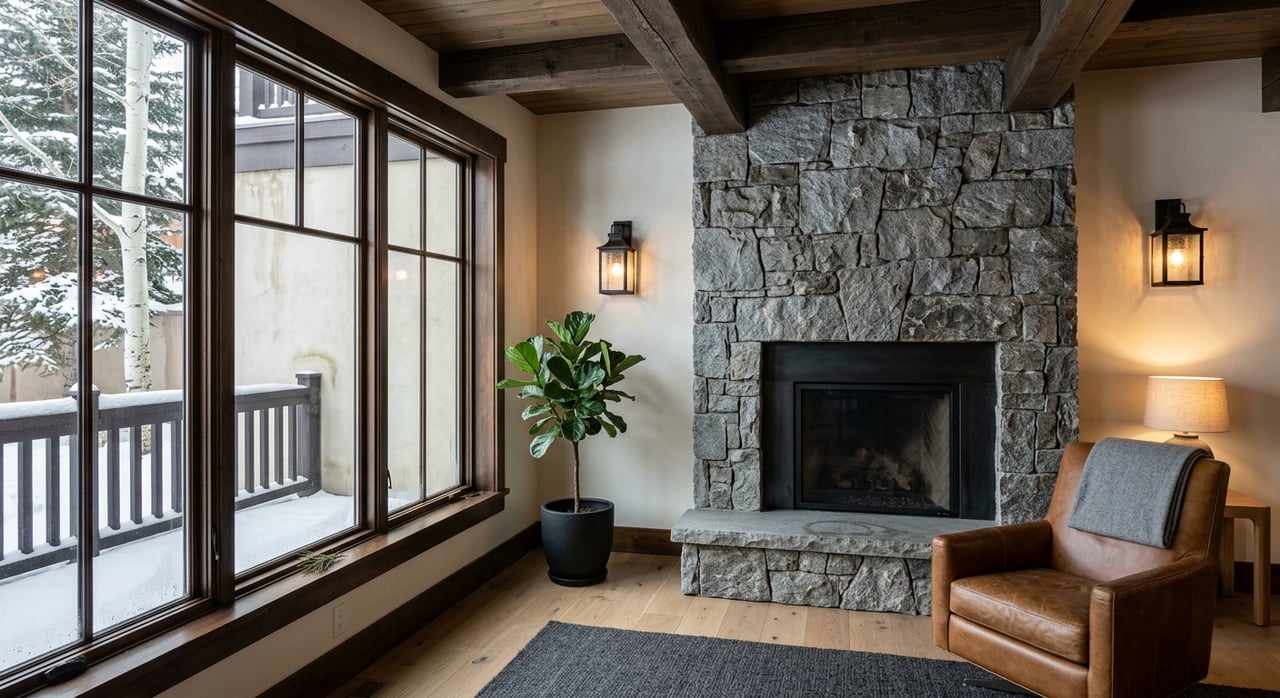
For you as a buyer, that means a golf-oriented purchase can still function as a strong winter retreat. Depending on the location and layout, the same property may support ski days, village dining, seasonal events, and summer rounds of golf in one ownership package.
Shoulder seasons add value
Many second-home buyers focus on peak ski and golf months, but Beaver Creek’s lifestyle extends beyond those headline seasons. The official Beaver Creek Village page highlights dining, shopping, lodging, transportation, and village activities that support year-round use.
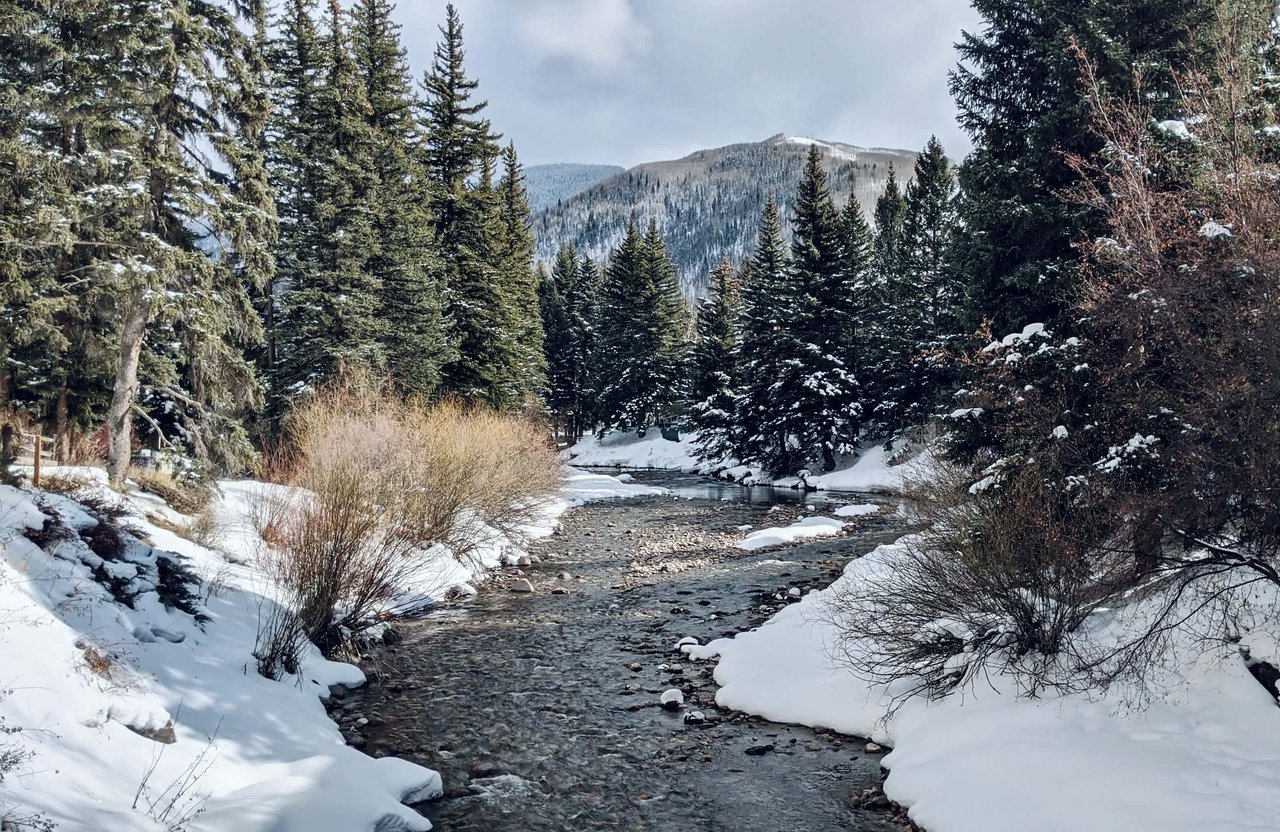
The mountain also supports more than downhill skiing. Beaver Creek’s multi-use mountain information describes designated routes for snowshoeing and uphill access, and McCoy Park includes snowshoe and cross-country areas alongside beginner and intermediate ski terrain.
That broader activity base matters when you are evaluating lifestyle value. A property near the golf course may still be compelling even when you are not golfing, because the surrounding resort experience remains active across multiple seasons.
Questions to ask before you buy
If you are serious about Beaver Creek golf course real estate, a focused due-diligence process can save time and protect your decision. These are some of the most important questions to ask.
Access and membership questions
- Does the property include any Beaver Creek Club privileges?
- Is golf access available through ownership, membership, lodging status, or not at all?
- Are there any seasonal limitations on use that matter for your schedule?
Cost and ownership questions
- What are the HOA dues and what do they cover?
- What resort assessments apply to the purchase and to ongoing ownership?
- How does the 2.375% real estate transfer assessment affect your closing costs?
Rental and usage questions
- If you rent the property, what licensing requirements apply?
- Are there building or community rules that affect rental flexibility?
- Are there additional charges tied to short-term rental activity?
Lifestyle and layout questions
- Is the view primarily fairway, ski mountain, or a mix?
- How does the property function in winter in terms of ski access, shuttle access, parking, and storage?
- Is the home a condo, townhome, villa, or private home, and how does that affect maintenance?
How to think about value
The right Beaver Creek golf course property is not always the one closest to the fairway. Often, the best fit is the property that balances the lifestyle elements you care about most, such as seasonal use, view orientation, club access, lock-and-leave convenience, or rental potential.
That is why local guidance matters in this market. Beaver Creek ownership involves more than a map pin near the golf course. It is about understanding access, resort structure, costs, and how the property performs across the full mountain lifestyle calendar.
If you want help comparing golf course properties, club-related ownership questions, or the tradeoffs between Beaver Creek, Bachelor Gulch, and Arrowhead, Gardner & Gardner Resort Real Estate offers private, no-pressure guidance tailored to how you plan to use the property.
FAQs
What does a Beaver Creek golf course property usually mean?
- In Beaver Creek, a golf course property often means a condo, townhome, villa, or home with golf course proximity or views, sometimes combined with ski-mountain views rather than a purely fairway-front setting.
Does owning near Beaver Creek Golf Club include golf access?
- Not automatically. Official resort information says golf access is limited to members and certain lodging guests, so you should verify access details for any property you are considering.
What fees should buyers expect with Beaver Creek property ownership?
- Buyers should review HOA dues along with resort-level costs such as civic assessments, the 5% recreation assessment on activities like golf, and the 2.375% real estate transfer assessment on sales.
Can you rent out a Beaver Creek golf course property?
- Potentially, yes, but if a home or condo is rented for more than four days in a month, the Beaver Creek Resort Company says the owner must obtain a lodging business license.
Is Beaver Creek mainly a golf destination or a ski destination?
- Beaver Creek functions as a two-season resort community, with golf and village activity in summer and extensive skiing, snowshoeing, events, and mountain use in winter.
Why is local guidance important when buying in Beaver Creek?
- Local guidance can help you compare property types, confirm access and club-related details, understand resort assessments, and evaluate how a property fits your year-round lifestyle goals.