What looks like a great Vail Village view on paper can feel very different in person. In a compact pedestrian resort core, a unit’s light, privacy, and outlook can change based on rooflines, creek buffers, nearby buildings, and even how the main living space is oriented. If you are buying luxury property in Vail Village, understanding views and exposure can help you choose a home that fits how you actually want to live. Let’s dive in.
Why Views Work Differently Here
Vail Village is not a spread-out neighborhood where every property gets a broad, open outlook. It is a tightly planned resort core bounded by Vail Road, Ford Park, Interstate 70, and Vail Mountain, with an elevation around 8,150 feet at the International Bridge.
That setting matters because sightlines and sunlight are shaped by careful planning. The Village Master Plan describes a pattern of lower buildings in the core and larger buildings toward the northern edge, with openings intended to preserve views of Vail Mountain and support a pedestrian-focused village experience.
For you as a buyer, that means “mountain-facing” is not always the same as “mountain-view.” In many cases, the real question is whether the unit looks through a protected opening, over a lower roofline, along a creek edge, or into a plaza setting.
Start With Exposure First
Before you focus on the postcard view, look at where the primary living area faces. Exposure often affects daily comfort just as much as the view itself.
South-Facing Living Spaces
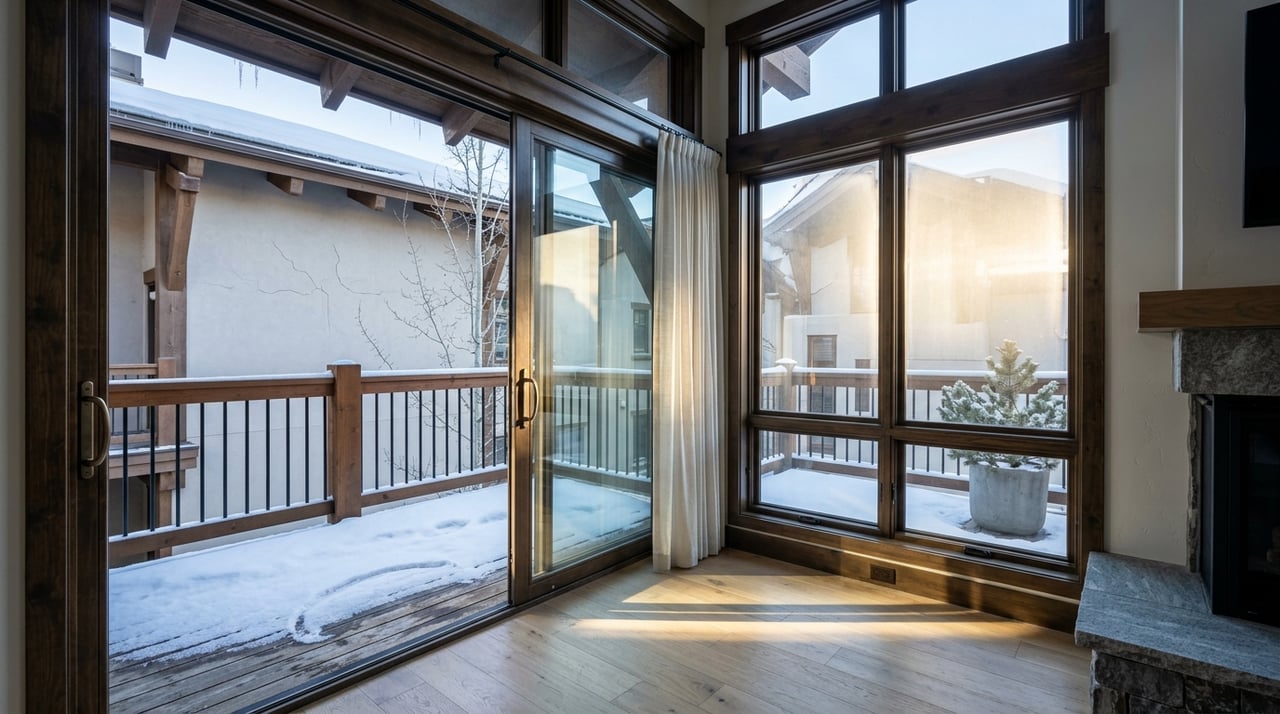
South-facing glazing typically captures the most winter sun when it is not blocked by nearby buildings or trees during the main daylight window. In a mountain climate like Vail, that can make a noticeable difference in warmth, natural light, and how enjoyable a deck or main sitting area feels during colder months.
Because Vail gets almost 300 days of sunshine and more than 335 inches of snow annually, sun exposure can also affect how quickly snow clears from outdoor surfaces. A sunny deck, entry, or walkway may simply feel more usable in winter.
North-Facing Living Spaces
North-facing windows tend to provide more even light with less glare. If you prefer a calmer interior feel and want to reduce strong afternoon heat gain, this orientation can be appealing.
The trade-off is that north-facing spaces may not deliver the same winter solar warmth as south-facing rooms. In Vail Village, whether that matters depends on the building’s design and what stands around it.
East- and West-Facing Living Spaces
East-facing windows usually bring in stronger morning light. That can be a pleasant fit if you like bright mornings and a softer afternoon interior.
West-facing windows are strongest in the afternoon and are more likely to create glare and heat gain. In a luxury property, that does not automatically make west exposure a negative, but it does mean you should pay close attention to how late-day light hits the main room, deck, and primary bedroom.
Compare the Main View Types
Not every premium view in Vail Village delivers the same experience. Some are about drama and landmark scenery, while others are about privacy, green edges, or direct connection to village life.
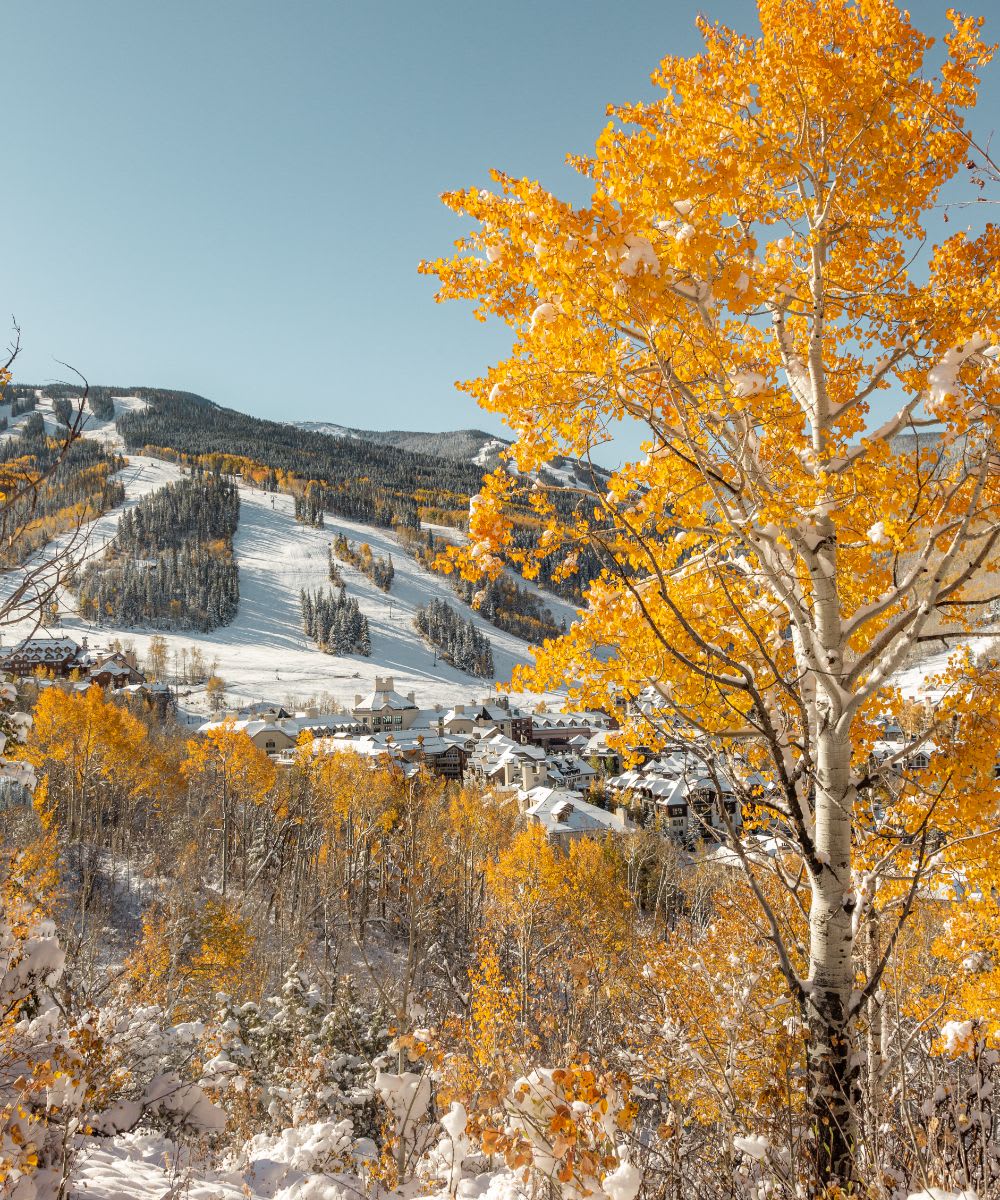
Ski-Slope and Vail Mountain Views
These are often the most sought-after views in the village. The planning framework for Vail Village specifically recognizes view openings toward Vail Mountain and calls for protecting certain view corridors.
Still, there is an important distinction between a unit that truly frames Vail Mountain and one that only faces that general direction. A luxury buyer should look closely at whether the living room, deck, and primary suite actually capture the slope view or just suggest it between buildings.
Gore Creek Views
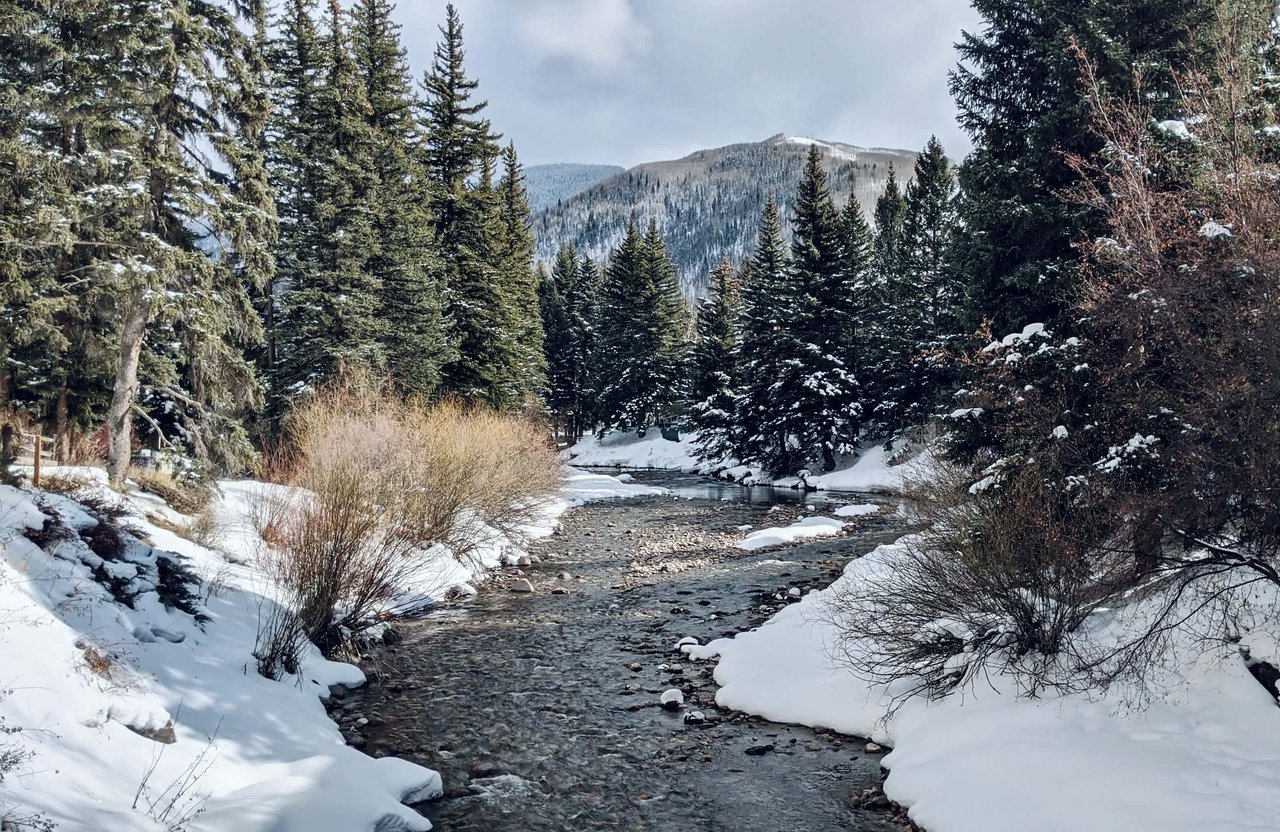
Creek-adjacent properties often feel more sheltered and separated from village activity. They can offer a greener edge, a softer outlook, and a stronger sense of privacy than homes centered on plazas or pedestrian streets.
At the same time, stream corridor rules and setbacks influence what can sit near the creek. Mature pines and stream protections can create filtered views rather than wide-open water panoramas, so it is wise to understand whether you are buying a direct creek scene or a more layered natural outlook.
Village and Plaza Views
Some buyers want to feel plugged into the heart of Vail Village. A village-view residence can put you closer to pedestrian energy, public spaces, and the classic resort atmosphere that defines the area.
That convenience and activity usually come with trade-offs. Compared with creek-side or more elevated residences, village-facing units often offer less privacy and less quiet.
Gore Range and Long-Distance Views
Long-distance views toward the Gore Range can be especially compelling because they add a sense of scale and openness beyond the immediate village. The Master Plan specifically references protecting views to the Gore Range from the village core and Vail Valley Drive.
These can also be some of the most fragile views. Even a modest change in roofline or building height nearby can alter a long-range sightline, which makes due diligence especially important.
Look Beyond the Unit Itself
A luxury purchase in Vail Village should never be judged by the interior alone. Massing, setbacks, landscaping, and neighboring structures can all influence how the property feels over time.
Rooflines and Building Height
In a compact village setting, a small shift in elevation can make a big difference. A residence that clears nearby rooflines may gain more daylight and broader views, while a lower unit in the same building may look into a more limited corridor.
The village planning framework also shows that height and step-back patterns are intentional. In some areas, redevelopment is expected to preserve view corridors and reduce sun and shade impacts, which can matter if you are thinking about long-term view stability.
Privacy and Setbacks
Vail’s planning guidance treats privacy as part of the overall village design, not as a separate add-on. In townhouse areas, façades, step-backs, and landscaping all shape the transition between public space and private living.
For you, that means privacy often comes from placement, elevation, and landscape buffering rather than large barriers. A creek-side or upper-level residence may feel much more secluded than a similarly sized home fronting a busy pedestrian area.
Trees and Filtered Sightlines
Mature landscaping can be an advantage or a limitation depending on your goals. Trees along Gore Creek and in certain village areas may soften views, improve privacy, and create a more tucked-in mountain feel.
If your priority is a broad panoramic outlook, however, a filtered sightline may not deliver what you expect. This is one of the most important reasons to evaluate a property in person or with a highly detailed showing review.
Winter Practicalities Matter Too
In Vail Village, exposure is not only about aesthetics. It also affects how a home functions in winter.
A sunnier orientation may help a deck or walkway clear more quickly after snowfall. On the other hand, roof design, adjacent buildings, and shaded exposures can influence snow retention, ice patterns, and how comfortable outdoor areas feel during the season.
The planning guidance also notes that roof ridges should not shed snow or rain onto adjacent properties. That is a reminder to look at how the building interacts with neighboring spaces, especially if you value an outdoor terrace, entry sequence, or easy winter access.
Questions Luxury Buyers Should Ask
When you tour Vail Village property, a few focused questions can help you separate a beautiful first impression from a strong long-term fit.
Ask about these points:
- Which direction does the main living space face?
- Does the view center on Vail Mountain, the Gore Range, Gore Creek, or the village core?
- What sits to the south and west of the unit today?
- Could nearby buildings be redeveloped in a way that changes light or sightlines?
- How much direct winter sun reaches the deck or main windows?
- Is late-afternoon glare likely to affect comfort?
- Are trees, rooflines, or setbacks shaping privacy?
- How does the property handle snow around entries, decks, and adjacent outdoor areas?
Why Local Guidance Makes a Difference
In Vail Village, luxury value often lives in details that do not show up clearly in photos. Two residences with similar square footage and similar asking prices can offer very different experiences once you account for orientation, filtered views, late-day glare, privacy, and the relationship to the pedestrian core.
That is where local, high-touch guidance becomes especially valuable. If you are buying from out of town or comparing several village options at once, having an advisor who understands these micro-differences can help you focus on the property that best matches your lifestyle priorities.
Whether you want a sun-filled ski retreat, a quieter creek-side setting, or a front-row village presence, the right choice usually comes down to how the view and exposure work together. For a private, no-pressure conversation about Vail Village opportunities, connect with Gardner & Gardner Resort Real Estate.
FAQs
What does exposure mean for a Vail Village luxury property?
- Exposure refers to the direction a home or its main living spaces face, which can affect sunlight, glare, warmth, privacy, and winter usability.
What view types are common in Vail Village real estate?
- Common view categories include Vail Mountain or ski-slope views, Gore Creek views, village or plaza views, and long-distance Gore Range views.
Why can two Vail Village condos have very different light?
- Because Vail Village is a compact, planned environment, nearby rooflines, building gaps, trees, creek edges, and step-backs can all change daylight and sightlines from one unit to another.
Are south-facing Vail Village homes better for winter sun?
- South-facing glazing generally captures the most winter sun when it is not shaded by nearby buildings or trees during key daytime hours.
What are the trade-offs of village-view residences in Vail Village?
- Village-view homes often offer convenience and connection to pedestrian activity, but they may provide less privacy and quiet than creek-side or more elevated residences.
Why should Vail Village buyers think about nearby redevelopment?
- Building massing, step-backs, and height changes on nearby sites can affect future sunlight, shade, and view corridors, especially for long-distance mountain views.