The Michelin Guide was scheduled to publish its 2026 Colorado selection on Monday, September 14, with coverage set to expand to every county for the first time since the guide arrived in the state, instead of six participating cities. If you eat regularly at Mirabelle or Splendido at the Chateau, that expansion matters more than it might seem. Both restaurants have carried Michelin's recommended designation since the very first Colorado guide in 2023. Neither had previously had to compete against the rest of the state to keep it. The 2026 expansion put them in a statewide field.
Most locals treat that recommended status as a fixture, the way you'd treat a chairlift that's always running. It isn't. Beaver Creek has already watched one of its own restaurants fall off the list.
The Three-Year Streak
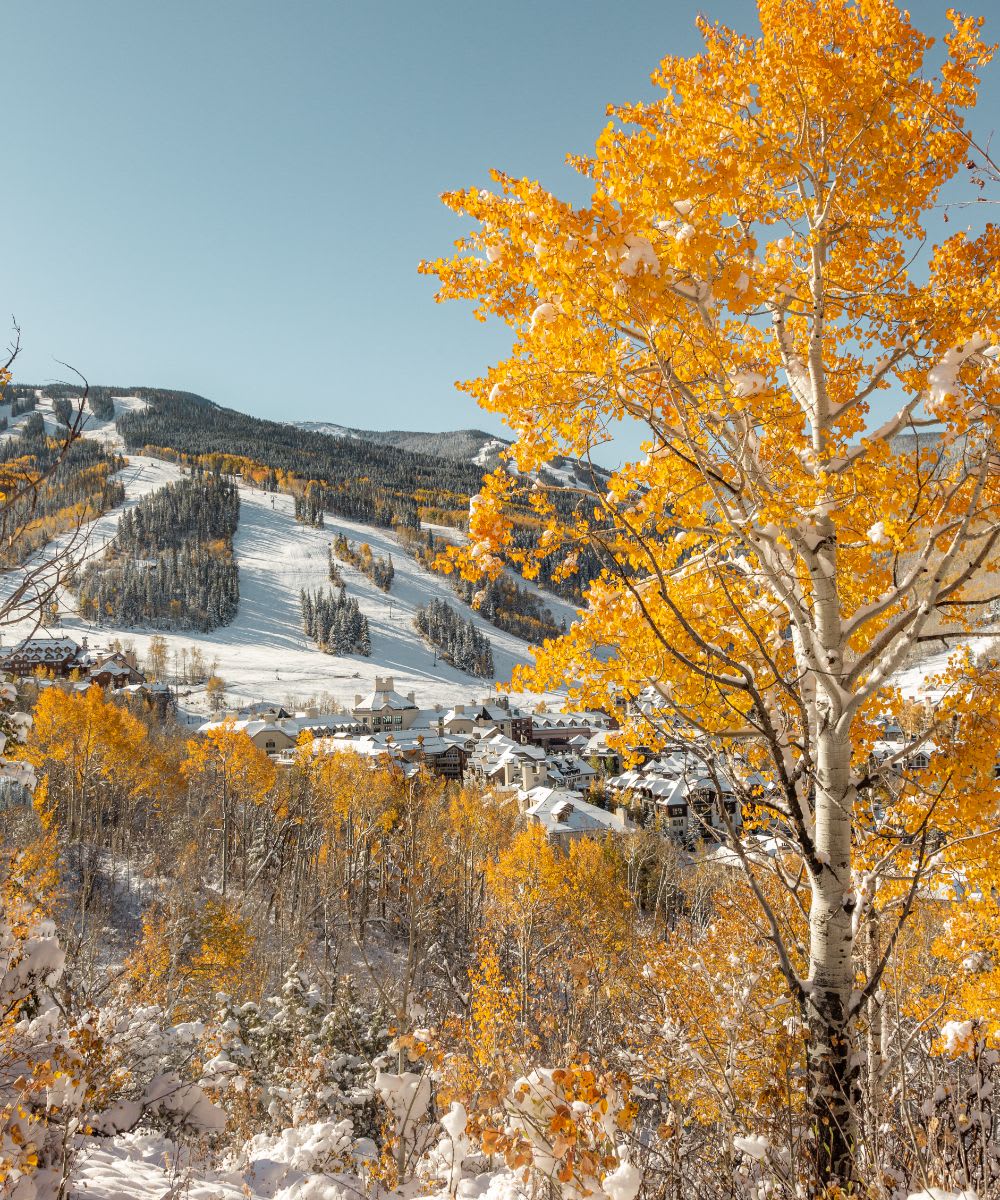
When Michelin brought its guide to Colorado in 2023, it didn't cover the whole state. It covered Denver, Boulder, Aspen, Snowmass Village, the Town of Vail, and Beaver Creek Resort, the six municipalities whose tourism boards funded the arrangement, with individual cities contributing between $70,000 and $100,000. Four Vail Valley restaurants made that inaugural list and have held their spots through 2024 and 2025: Sweet Basil and Osaki's in Vail, Mirabelle and Splendido at the Chateau in Beaver Creek.
Mirabelle sits just past the entrance to the resort in a ranch house built by homesteaders in 1898, and longtime chef Daniel Joly's European training shows up in dishes like lobster bisque and seared foie gras with caramelized peaches. Splendido, tucked inside the Chateau above the village, has been overseen for years by chef Brian Ackerman, whose menu runs from a pomegranate-marinated rack of Colorado lamb to a dover sole filleted tableside. Both restaurants have now held their designation for three consecutive guides. That streak sounds permanent. It isn't guaranteed to survive a fourth.
The One That Already Fell Off
Here's a detail worth noting: Wyld, a Beaver Creek restaurant that carried a Michelin recommendation in an earlier cycle, lost it. Michelin's inspectors revisit restaurants, and recommendations can change from one cycle to the next.
That precedent is why the September 14 reveal mattered beyond the usual restaurant-industry chatter. For Beaver Creek, the reveal made the durability of Mirabelle and Splendido's streak a live question.
How Statewide Coverage Changed the Math
As of the 2025 guide, Colorado carried 49 recommended restaurants total, including nine with stars and ten with Bib Gourmand distinctions for quality food at a fair price. That entire list was built from six cities. With the 2026 guide, restaurants in Aurora, Fort Collins, Grand Junction, Colorado Springs, Breckenridge, Telluride, and every other town in the state became eligible for the same recognition Beaver Creek had held since the beginning. Industry predictions ahead of the reveal expected the number of listed restaurants to grow substantially with the geographic net covering the entire state.
For a diner, more choices statewide sounds like a win. For a restaurant defending a three-year streak in a small resort village, the expansion means a much larger and harder-to-track competitive set. Beaver Creek's two recommended restaurants now have company from across the state, where the guide's star ratings have so far concentrated around Denver's chef's-counter tasting menus.
There's a financial mechanic underneath this too. Colorado's tourism office put roughly $135,000 toward Michelin incentives across the guide's first three years, and committed another $100,000 for 2026 marketing tied to the expansion. The guide's expansion was tied to state marketing funding intended to draw a certain kind of visitor and spending pattern. Local restaurants that keep their recommendation see a real bump in reservations and attention, which helps explain why losing it stings.
What Actually Earns the Recommendation
Michelin doesn't publish a scorecard, but it has been consistent about the five criteria its inspectors weigh: quality of ingredients, mastery of cooking technique, harmony of flavors, the personality of the chef coming through in the food, and consistency between visits. Recommended status doesn't require a chef's counter or a single nightly tasting menu, the format that's produced most of Colorado's actual stars so far. It requires a restaurant that delivers the same experience every time an inspector walks in unannounced, which is a much higher bar for a small mountain-town kitchen operating through a full ski season and a full summer season than it sounds.
That consistency requirement is worth sitting with if you've eaten at either restaurant recently. A single memorable dinner doesn't secure a spot on this list. Years of steady execution do, and the expanded guide could compare them against restaurants in parts of the state Michelin had never previously inspected.
What the Expansion Means for the Village
For the village, the 2026 guide offered a broader measure of how its restaurants fit into Colorado's dining scene.
Guides don't run on autopilot, and Wyld's absence from the current list is a reminder that recommendations can change.
If you're the kind of person who plans a Friday night around whether the tasting menu at Splendido or the frites at Mirabelle sound better, the 2026 guide is worth checking before you make the reservation. It's also a reminder, for anyone who splits time between here and somewhere else, that the things that make Beaver Creek feel like a place worth coming back to, a kitchen that's been consistent for three straight years, a village that can hold its own against the rest of the state, aren't static. They're earned again every season.
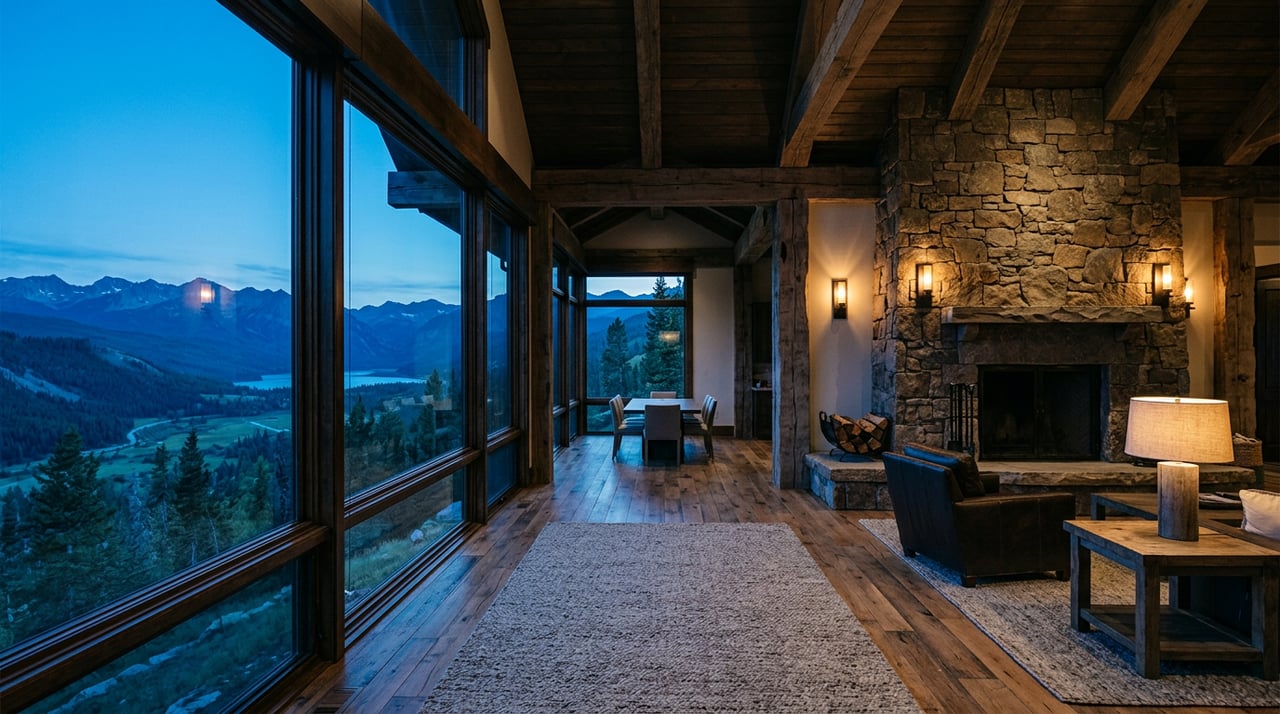
If you're weighing what that kind of consistency means for a home here, not just a dinner reservation, that's a longer conversation, and it's the one Led Gardner has with clients across Beaver Creek and the rest of the valley every day. Contact Led for a private, no-pressure property consultation whenever you're ready to talk about what living here, on a more permanent basis, actually looks like.