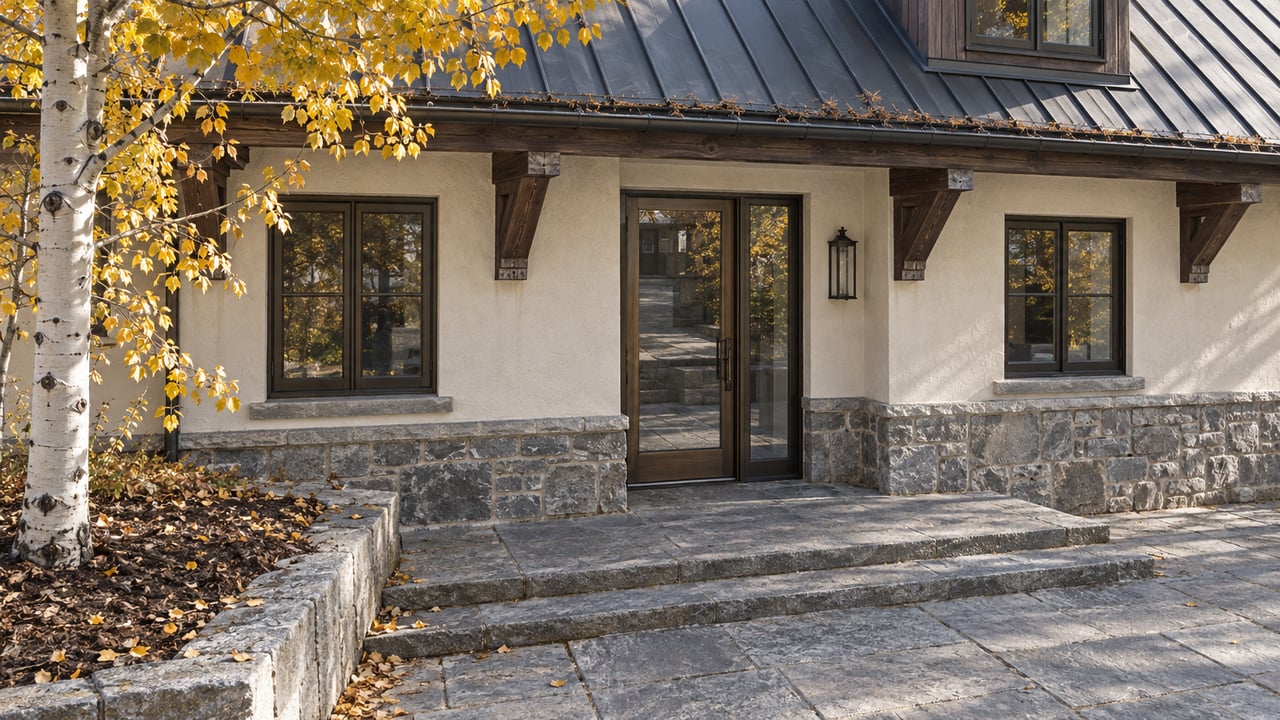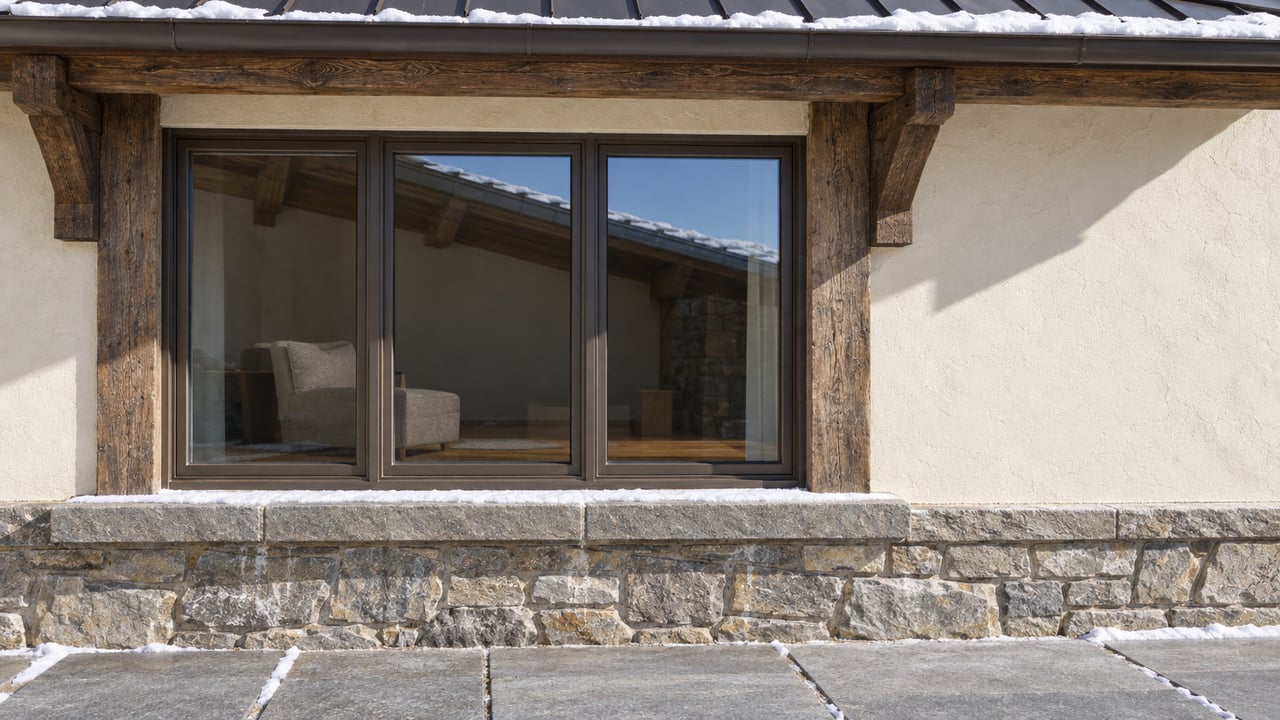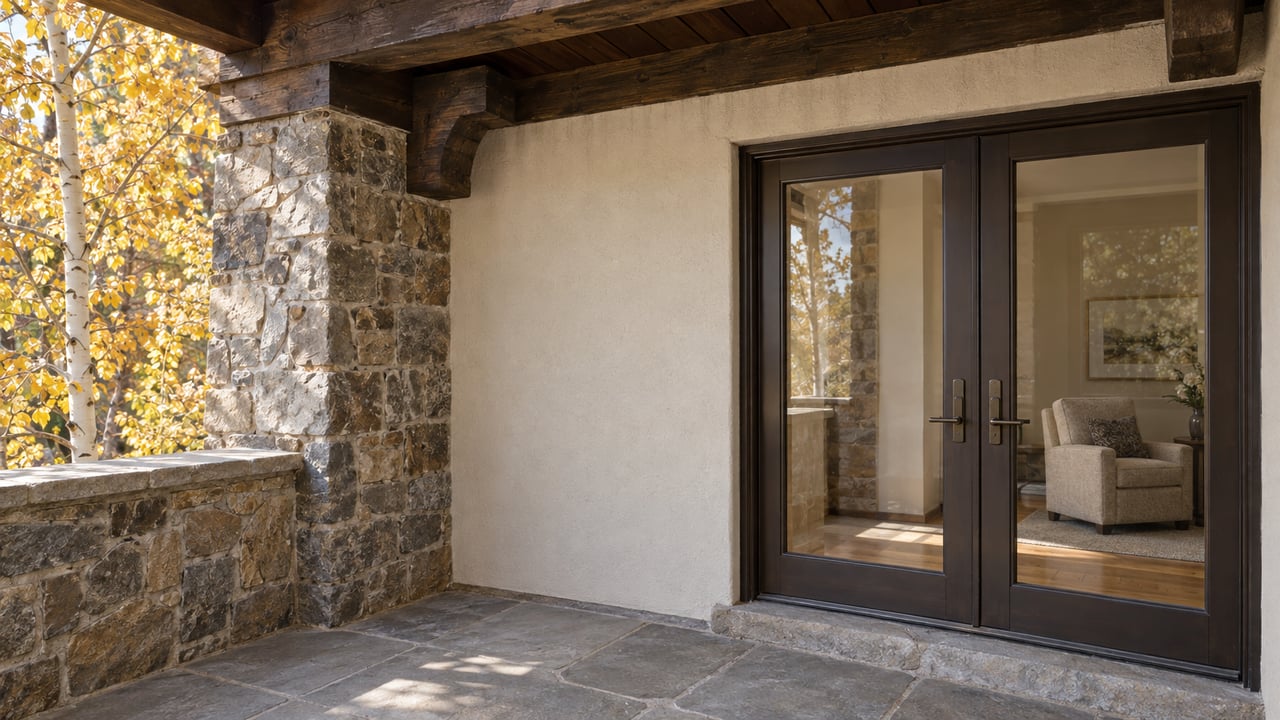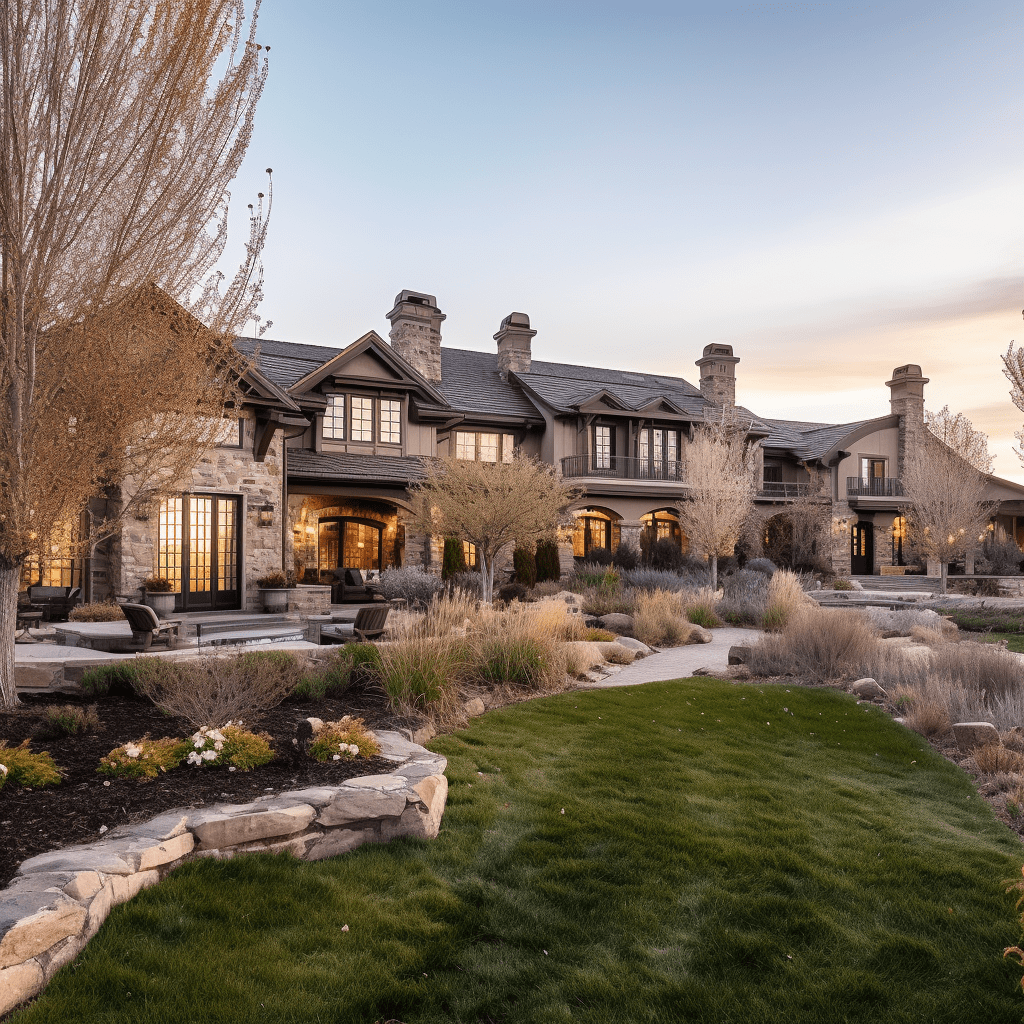
Beaver Creek's Design Review Board describes its own job as protecting "the natural beauty of Beaver Creek" and keeping the resort "a pleasant and desirable environment." That purpose is put into practice through a formal review process. A five-member board reviews projects such as a reroof, a pool, a solar array, or an exterior light fixture against published design guidelines, and its approval is part of how the work moves forward.
Buyers researching Beaver Creek may focus on HOA dues, ski access, and rental rules. Buyers planning exterior changes should also understand the design review process before closing.
How Design Review Is Organized
The Beaver Creek Resort Company says Beaver Creek is not a municipality and sits inside unincorporated Eagle County. The Beaver Creek Resort Company fills that gap. BCRC describes itself on its own site as a combination of a homeowners association and a resort association, layered with some of the services a town would normally provide, and it states plainly that Beaver Creek is not a municipality.
That structure matters for anyone planning to build, remodel, or even repaint.
Who Actually Sits on the Board
The Design Review Board has five seats: one representative from BCRC, two architectural professionals, and two Beaver Creek property owners who are recommended to the Resort Company by the Beaver Creek Property Owners Association. The board and its staff review every project against a written set of design guidelines, and those guidelines run to dozens of pages covering everything from roof pitch to chimney caps.
Because the board works from written design guidelines, the standard a project has to meet is a published design and construction standard rather than a municipal zoning code. Reading those guidelines early gives a buyer a clear picture of what a renovation plan will need to satisfy.
What Actually Triggers a Review
Not every change requires a full submittal. Beaver Creek's design review regulations exempt routine maintenance and most reroofing from the standard review process, though reroofing carries its own specific conditions. Everything else generally needs to go through some level of design review before a contractor can start.
| Typically needs DRB review | Typically exempt |
|---|---|
| New construction, additions, exterior remodels | Routine maintenance |
| Roof replacement outside the exempt conditions | Reroofing that meets the specific exempt criteria |
| Pools, decks, fencing, exterior lighting changes | Interior-only work with no exterior change |
| Solar installations | Like-for-like repairs with no design change |
For anything that does require review, the process can move through several stages depending on the size and complexity of the project: an optional pre-application meeting, a conceptual review, a sketch plan submittal, and a final plan review, which is required for every project regardless of how the earlier stages went. At the board's discretion, smaller or simpler projects can move through an abbreviated version of that sequence. Larger ones cannot skip required steps.
Design Guidelines for Exterior Projects
The design guidelines cover more than color approval. Buyers planning exterior work should understand the requirements that may apply to their project.
Beaver Creek Village Guidelines restrict roof pitches to a band between 6:12 and 12:12 and limit major roof forms to gable and hip designs. Above-ground, free-standing swimming pools are not permitted. Ground-mounted solar panel arrays are discouraged in favor of roof-mounted systems. Exterior antennae are generally prohibited absent a demonstrated need. All exterior lighting has to come from fully concealed fixtures, and uplighting of trees is not permitted.
These rules are published in Beaver Creek's design regulations and on the Vail Resorts Design Review Administration site that processes applications for the resort. Buyers considering a rooftop deck or a freestanding hot tub pool should check the requirements for the specific design before relying on it in a renovation budget.
The Deposit That Isn't the Same as the Design Review
Getting a design approved is only one part of the process. Beaver Creek's Construction Activity and Compliance Deposit Regulation, generally referred to as CACDR, governs the actual construction phase and requires a compliance deposit tied to the work itself, separate from any design review fees. The Design Review Administration also publishes a fee schedule specific to multi-family, condominium, and retail projects. Owners planning a renovation should request the current fee schedule and CACDR terms directly from BCRC or its review administrator before finalizing a construction budget, since these are administrative costs layered on top of whatever a contractor quotes for the work itself.
Where This Belongs in Your Timeline
If a specific renovation is part of why you're buying a property, that renovation belongs in your due diligence period, not on your post-closing to-do list. Ask whether the home already has any DRB approvals on file. Ask whether a prior owner attempted a similar project and what the board's response was. If the plan involves a pool, solar, or any exterior lighting beyond what's already installed, get a straight answer on whether that specific design would clear review before you remove your contingencies.
This is the kind of detail that gets missed when a transaction is handled at arm's length, and it's exactly the kind of detail I walk through with clients before they write an offer, not after. If a Beaver Creek property has renovation potential you're counting on, let's confirm what the Design Review Board will actually allow before that potential becomes part of your purchase price.
Led Gardner has spent his career inside these Beaver Creek details, and he's glad to walk through what a specific property's design history and review requirements look like before you make an offer.
This article is general information, not legal, tax or financial advice. Consult a qualified professional about your situation.