Wondering if you really need a car when you own in Vail Village? It is a smart question, especially if you want a second home that feels easy to use, easy to leave, and centered on the mountain lifestyle rather than parking and driving. The good news is that Vail Village supports a very practical vehicle-light routine, with daily life often built around walking, free transit, bike options, and occasional car access when you need it. Let’s take a closer look.
Why Vail Village supports car-free living
Vail Village is one of the few places in the Vail Valley where so much of daily life can happen within a short walk. The Town of Vail describes Vail and Lionshead as home to an extensive pedestrian mall, with rules designed to improve pedestrian safety, reduce environmental impacts, and reduce congestion. That setup shapes the feel of ownership in a very real way.
In the village core, many of the places you use most are clustered close together. Resort wayfinding materials place Gondola One, ticket offices, ski rentals, restrooms, shopping, restaurants, cafes, and hotels near each other in Vail Village. For many homeowners, that means you can step outside and get where you need to go on foot.
It also helps that Lionshead is close by. The resort notes that the walk between Vail Village and Lionshead typically takes about 10 to 15 minutes, which makes it easy to move between the two base areas without getting in a car. That kind of connected layout is a major reason village ownership can feel so convenient.
Think vehicle-light, not car-dependent
The most accurate way to think about Vail Village is not as a fully urban, no-car environment. It is better described as vehicle-light living. In practice, that means your everyday routine can often happen without a personal vehicle, while larger errands, airport transfers, or occasional out-of-core trips may still call for transit, a shuttle, bike share, or car share.
That distinction matters if you are buying a second home. You may not need to keep a car in Vail for daily use, but it is still helpful to know you have flexible options when your plans go beyond the village core. For many lock-and-leave owners, that balance is exactly the appeal.
Free buses make daily movement easy
One of the biggest advantages of living in Vail Village is the Town of Vail bus system. The Town of Vail Transit Department provides free year-round bus service throughout Vail and describes it as one of the largest free transportation systems in the country. The town also offers real-time bus information, which makes it easier to plan trips without guesswork.
For homeowners, that free bus network can replace a surprising number of daily drives. You can use it to move through town, connect to nearby areas, and reduce the need for parking logistics during busy seasons. If accessibility is part of your planning, the town also provides ADA paratransit for riders who need it.
The village-to-village routine is especially simple. Free in-town shuttle buses run frequently throughout the day and evening, so getting between Vail Village, Lionshead, and other parts of town can feel seamless. If your goal is to spend more time on the mountain and less time behind the wheel, that is a meaningful benefit.
Regional transit expands your reach
Living lightly with a car becomes even more realistic because Vail is connected to the wider region. According to resort transportation information, Core Transit connects Vail with Avon, Beaver Creek, Edwards, Eagle, Gypsum, Minturn, Red Cliff, and Leadville. That gives you practical options for getting beyond town without relying on a personal vehicle for every outing.
For trips to and from the Front Range, Bustang and Pegasus provide service from Denver Union Station or the Federal Center directly to the Vail Transportation Center. If you split time between Denver and Vail, or host guests who prefer not to drive, that can be a real advantage.
Airport access is also manageable without owning a local car. The Town of Vail says Eagle County Regional Airport is about a 40-minute drive or shuttle ride away. For second-home owners, that supports a lock-and-leave pattern that feels much more streamlined.
Car share and e-bikes fill the gaps
Even the best walkable lifestyle has moments when you need more flexibility. That is where Vail’s car-share and bike-share options help bridge the gap.
Zipcar has dedicated parking at the Vail Village Parking Structure, with an app-based pay-as-you-use model. The town says this service is designed to complement the bus system, Core Transit, and Shift Bike. For a homeowner, that can be a practical answer for occasional errands, pickups, or short trips that are easier by car.
Shift Bike adds another layer of mobility. The town says the e-bike share system includes hubs in Vail and nearby towns and is designed for short one-way trips for commuting, errands, and transit connections. If you want an option between walking and taking the bus, an e-bike can make local movement faster and easier.
Everyday errands are often walkable
A big part of car-free living is not just transportation. It is whether your routine actually fits the place. In Vail Village, much of it does.
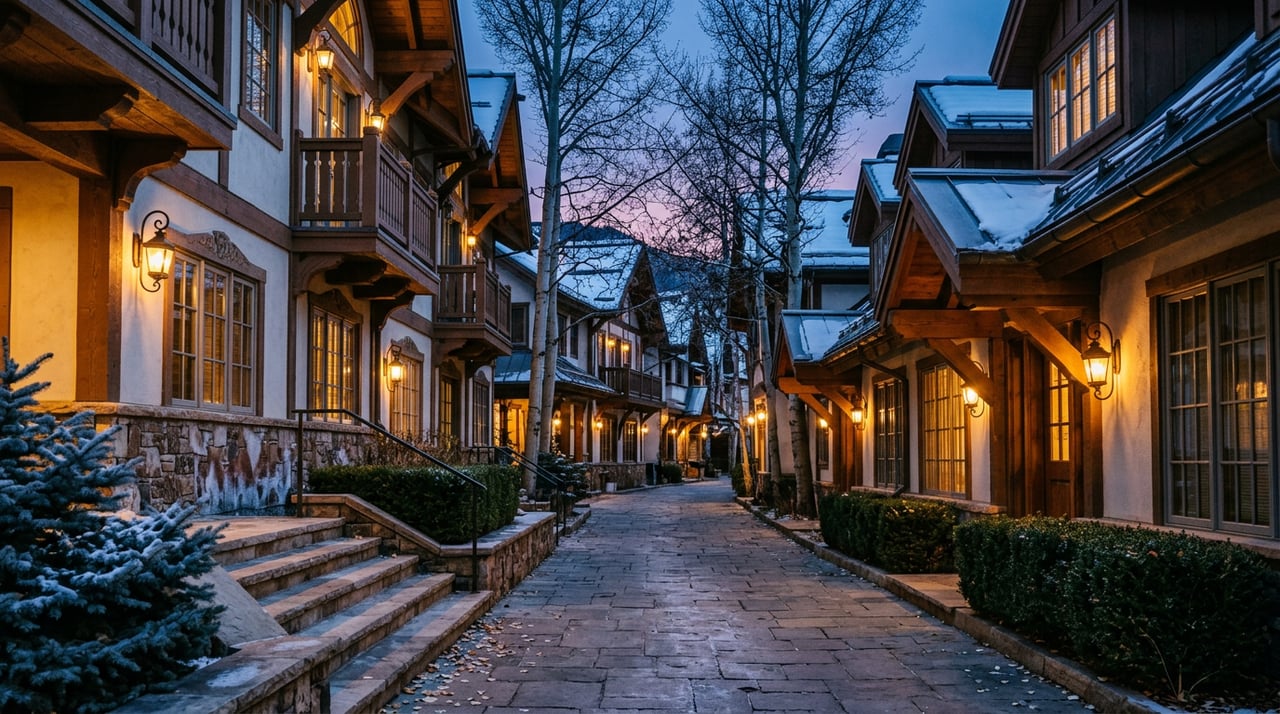
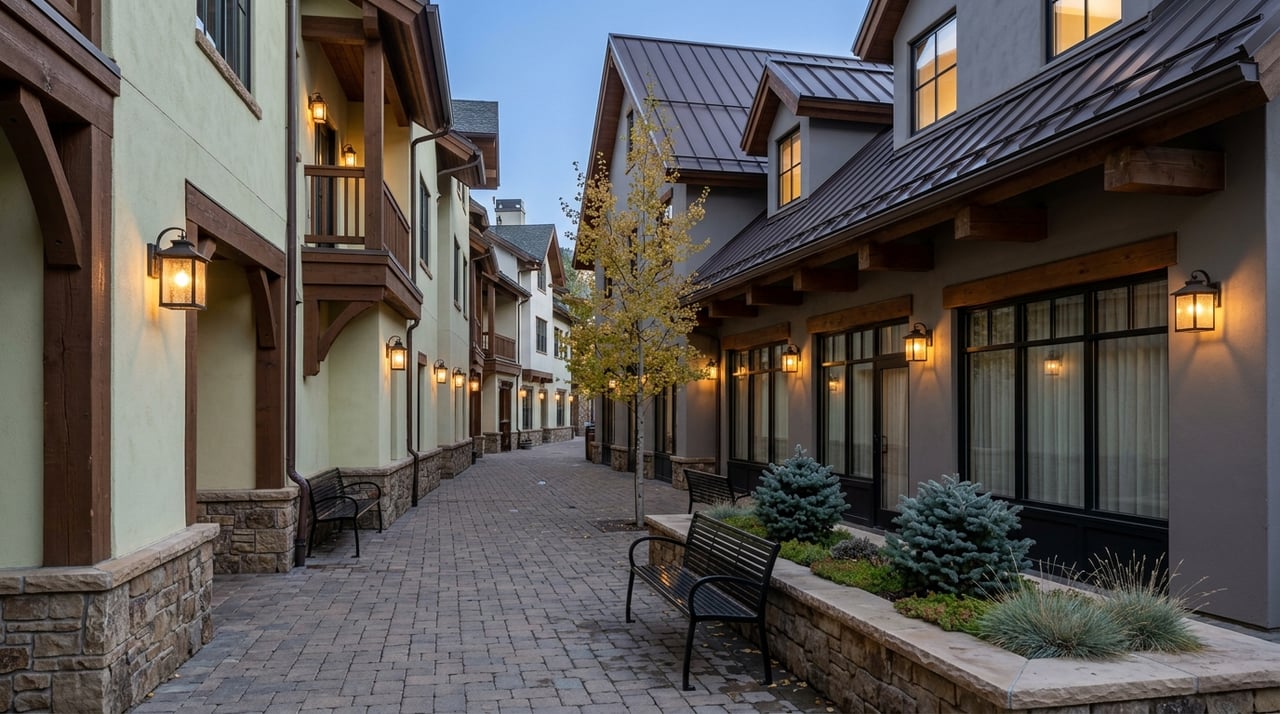
The resort describes the village as pedestrian-friendly, with cobblestone streets and a dense mix of outdoor-gear shops, boutiques, gift stores, quick bites, fine dining, nightlife, and cultural stops. That means many everyday wants and small needs can be handled close to home. You are not driving across town just to enjoy dinner, browse a shop, or meet friends for coffee.
There is also built-in support for how the village functions operationally. The town’s loading and delivery rules limit delivery vehicles in the pedestrian mall, and commercial goods in Vail Village are handled through the E-Vail Courier Program using town-owned electric carts from the Mountain Plaza loading dock. For homeowners, that reinforces the pedestrian-first environment that makes village living distinctive.
Bigger stock-up trips need a plan
Where vehicle-light living usually changes is with larger errands. The Town of Vail points to West Vail as a place with grocery stores, restaurants, and retailers, and the free town bus runs from East Vail to West Vail. So while many daily routines can stay in the village, bigger stock-up trips may take a little more planning.
In practical terms, most owners handle this in one of a few simple ways:
- Use the free town bus for planned grocery runs
- Use Shift Bike for shorter connection trips when conditions allow
- Reserve a Zipcar for larger loads or tighter schedules
- Coordinate airport shuttles separately from local errands
That is why the lifestyle works best when you approach it intentionally. You are not eliminating every vehicle trip. You are reducing the need for a personally owned, daily-use car.
Recreation feels natural without a car
For many homeowners, the strongest argument for living car-light in Vail Village is lifestyle. You are here for the mountain, the village atmosphere, and the ease of stepping into your day.
Gondola One gives Vail Village owners direct mountain access, which is hard to overstate. On ski days, walking to the lift instead of driving to a base area changes the entire rhythm of ownership. It feels simpler, faster, and more relaxed.
In warmer months, Vail offers more than 15 miles of paved, multi-use recreation paths and is recognized as a Bicycle Friendly Community. The Gore Valley Trail bypasses the village south of Gondola One and Pirateship Park, which gives you another easy option for getting around or enjoying a ride without involving a car.
It is worth noting that Vail Village includes designated dismount zones for bikes, scooters, skateboards, and one-wheels. That is part of maintaining a safe pedestrian environment. In other words, even active transportation is structured around a walkable village experience.
Why second-home owners value this setup
Vail has 5,305 permanent residents plus about 5,000 part-time residents in vacation properties, according to the Town of Vail. That mix helps explain why a vehicle-light lifestyle matters here. Many owners are not looking for one more car to manage. They are looking for simplicity.
A village-centered routine supports that goal well. Community-wide Wi-Fi, Vail Public Library services, and access to local programming and amenities can make part-time or remote ownership feel easier to manage. When paired with walkability, transit, and occasional car access, the result is a style of ownership that can feel flexible and low friction.
For many buyers, that convenience is not just a lifestyle perk. It is part of the property decision itself. If you want a home that works well for quick ski weekends, longer summer stays, or remote work with easy in-town movement, Vail Village stands out.
What to consider before you buy
If living car-free is high on your priority list, it helps to evaluate a Vail Village property through that lens. Not every residence offers the same day-to-day ease, even within the same general area.
As you compare options, consider:
- How quickly you can walk to Gondola One
- Your access to the in-town bus system and the Vail Transportation Center
- How comfortable you are handling larger grocery trips by bus, bike, or car share
- Whether you plan to use the home primarily for short stays, longer stays, or remote work
- How important lock-and-leave convenience is to your ownership goals
These are the kinds of practical details that shape daily life after closing. In a place like Vail Village, small location differences can have a big impact on how naturally a vehicle-light lifestyle fits.
If you are weighing the tradeoffs between village convenience, mountain access, and ownership logistics, working with a local advisor can help you focus on the properties that truly match how you want to live. For a private, no-pressure property consultation, connect with Gardner & Gardner Resort Real Estate.
FAQs
Is car-free living realistic for Vail Village homeowners?
- Yes, but the most accurate expectation is vehicle-light living. Daily routines can often revolve around walking, free town buses, e-bikes, and occasional car share, while some larger errands and airport trips still require extra planning.
How do Vail Village homeowners get around town without a car?
- The Town of Vail provides free year-round bus service throughout Vail, along with real-time bus information and ADA paratransit for riders who need it.
Where do Vail Village homeowners shop and dine without driving?
- Many dining, shopping, and day-to-day stops are within the pedestrian-friendly Vail Village core, where restaurants, cafes, boutiques, and other services are clustered close together.
How do Vail Village homeowners handle grocery runs without a car?
- Larger stock-up trips often happen outside the village core, especially in West Vail, and many owners use the free town bus, e-bike connections, or occasional car share for those errands.
Can Vail Village homeowners reach Lionshead without driving?
- Yes. The walk between Vail Village and Lionshead is typically about 10 to 15 minutes, and free in-town shuttle buses also connect the two areas.
What transportation options help Vail Village owners avoid car ownership?
- In addition to the free town bus system, owners can use Core Transit for regional trips, Shift Bike for short local rides, Zipcar for occasional vehicle use, and shuttle service for airport access.