Walk down East Meadow Drive on the first Sunday in October and something feels off before you can name it. The tents are gone. The vendor tables that took over the street all summer, the ones selling Western Slope peaches and Bjorn's honey and hand-thrown pottery, have folded up for the year. A week later you'll notice the gondola cars aren't moving either. Not broken, not between runs. Just parked.
This is the part of the calendar nobody in Vail Village quite talks about the same way they talk about Oktoberfest or the farmers market or opening day. It has no name, no vendor booths, no ticketed events. It's the six-week stretch between the last weekend the village runs on any kind of public schedule and the first morning Vail Mountain spins a lift. And if you've lived here more than one autumn, you already know the length of that stretch isn't fixed. It moves every year, and the reason it moves says something about how this town actually works.
Two Shoulder Seasons, Not One
Most fall coverage of Vail treats September through November as one long, gently dimming shoulder season. That's not quite right. There are two distinct phases, and only the second one is genuinely quiet.
The first phase is the one everyone already knows: Oktoberfest, Bravo! Vail's closing concerts, the Colorado Grand rolling through, the Vail Farmers' Market & Art Show still running its Sunday circuit on East Meadow Drive through October 4, 2026. During this stretch the village is thinner than August but still has a pulse. Gondola One and the Eagle Bahn are still turning, just on a reduced Friday-through-Sunday schedule rather than daily service.
The second phase starts the moment both of those things stop, and it looks nothing like the first. This is the actual gap, and it's the one worth understanding if you live here.
The Exact Week the Lights Go Out
The official Vail hours-of-operation schedule puts a hard edge on this. The Vail Village and Lionshead ticket offices run Friday through Sunday from September 11 through September 27, 2026. After that weekend, there's no more scheduled gondola service until ski season lifts begin turning. The farmers market's last Sunday lands a week later, October 4.
That leaves a stretch of roughly six weeks, from the end of September into mid-November, with no market, no lift-served hiking, and no organized weekend programming in the village core. Here's how the pieces line up:
| What ends or begins | 2026 date | What it means for the village |
|---|---|---|
| Gondola weekend-only service ends | September 27 | No more lift access to mid-mountain trails |
| Vail Farmers' Market final Sunday | October 4 | East Meadow Drive returns to normal foot traffic |
| Elk rut peak window | Mid-September to mid-October | Wildlife activity increases as human foot traffic drops |
| Vail Mountain's targeted Opening Day | November 13 | Lifts begin turning again, weather permitting |
That's not a gradual fade. It's a light switch, followed by roughly six weeks of near-total quiet, followed by another light switch.
What Actually Stays Open
The village doesn't go dark entirely. Some places treat this window as their off-season and close or trim hours. Others use it differently.
The Colorado Ski & Snowboard Museum stays open year-round, which makes it one of the more reliable stops if you're showing a visiting friend around during a week when half the usual answers to "what should we do" are unavailable. For coffee or a slower afternoon, Loaded Joe's and Vendetta's keep their regular rhythm going through the gap.
On the dining side, the village's newer additions are worth knowing about specifically. Zuma, the Japanese izakaya that replaced Leonora inside The Sebastian, opened in the space at 16 Vail Road with a dining room and a DJ booth built from glowing amber resin, according to Vail-Beaver Creek Magazine's winter preview. Avanti Food & Beverage at the base of Golden Peak runs its multi-concept food hall through the winter with trivia nights and live music, and it's become enough of a fixture that it's worth checking whether its fall hours match its winter schedule before you plan around it. Sweet Basil and Osaki's have both been named to Michelin's list of recommended Colorado restaurants three years running, which is a useful thing to remember when half the shoulder-season chatter is about what's closed rather than what's still worth a reservation.
Some restaurants and bars do trim back or close entirely during this window, particularly ones built around the ski crowd. That's a long-standing pattern in mountain towns generally, not a Vail-specific quirk, and it's the main reason calling ahead in late October is a better habit than assuming a place keeps its August hours.
Why the Opening Date Is a Moving Target, Not a Line on a Calendar
Here's the part that actually changes the shape of the gap from year to year. Vail Resorts announced its 2026-27 target dates with Breckenridge opening November 6, Vail Mountain on November 13, and Beaver Creek and Crested Butte both slated for November 25. The word "target" is doing real work in that sentence.
Last season is the clearest example of why. Vail's target for 2025-26 was set in August, and the mountain opened largely on schedule, but the conditions leading into it were rough. A Vail Daily report from the actual opening day described a dry October and start of November, with Vail Mountain's snow guns producing man-made snow for weeks just to have anything skiable by the announced date. The mountain opened with 80 acres of terrain across two runs, Ramshorn and Swingsville, accessible via Gondola One and Chair 4. That's a fraction of the resort's full footprint, and it took aggressive snowmaking to get even that much ready on time.
The practical takeaway for anyone living in the village: the calendar date for opening day is fixed months in advance, but what actually happens on that date, how much terrain is open, whether it feels like the season has really started, depends entirely on what the weather did in the six weeks before it. A cold, snowy early November compresses the feeling of the gap. A dry one stretches it, even if the lift technically starts turning on schedule.
Beaver Creek's later target date, nearly two full weeks after Vail's, is worth noting too. If you split time between the two villages, Vail Village's version of this gap closes noticeably sooner.
What the Six Weeks Are Actually For
Losing lift access doesn't mean losing the trails. The hikes that don't depend on the gondola are still fully open, and several of them are better in this window precisely because nobody else is on them.
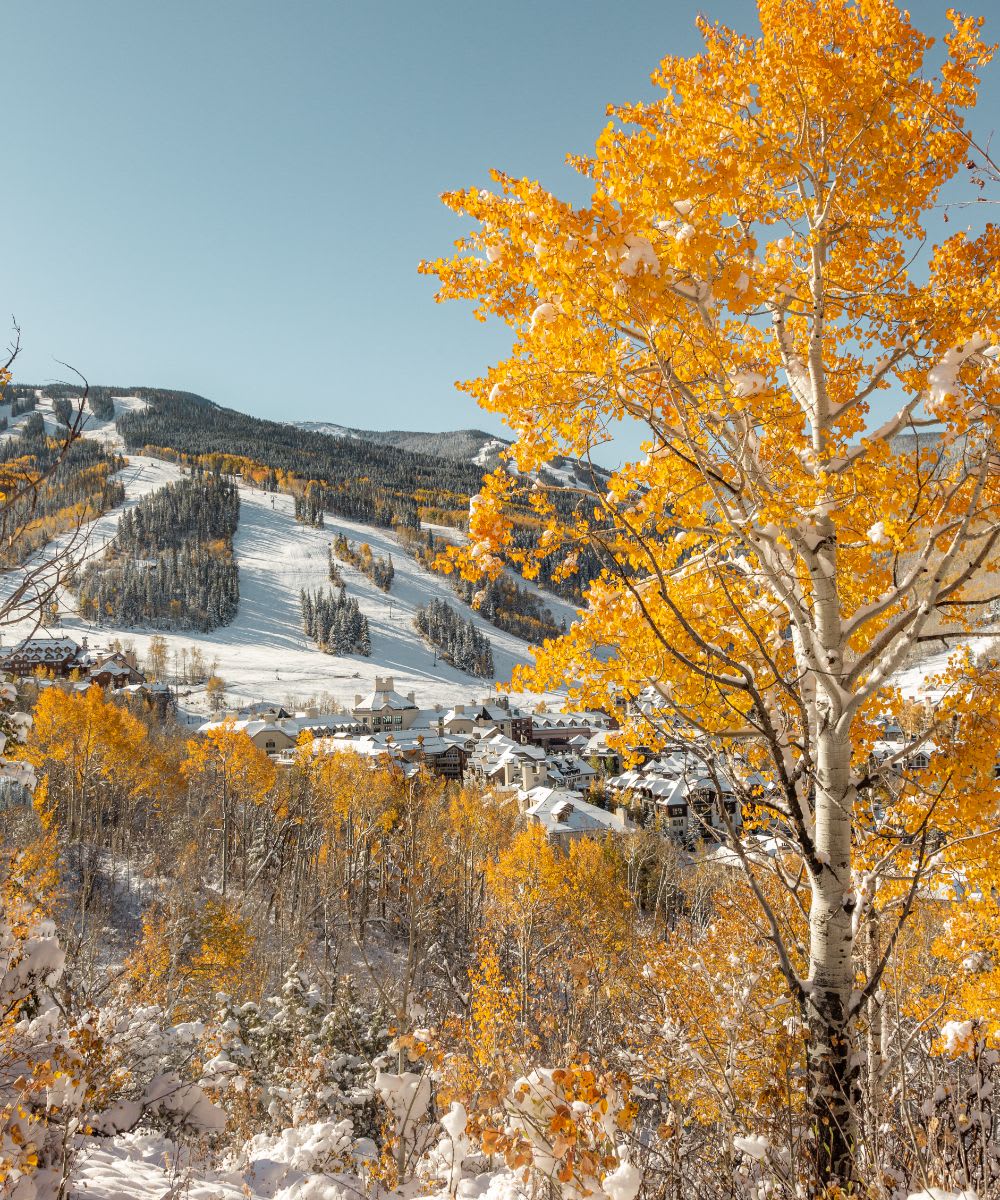
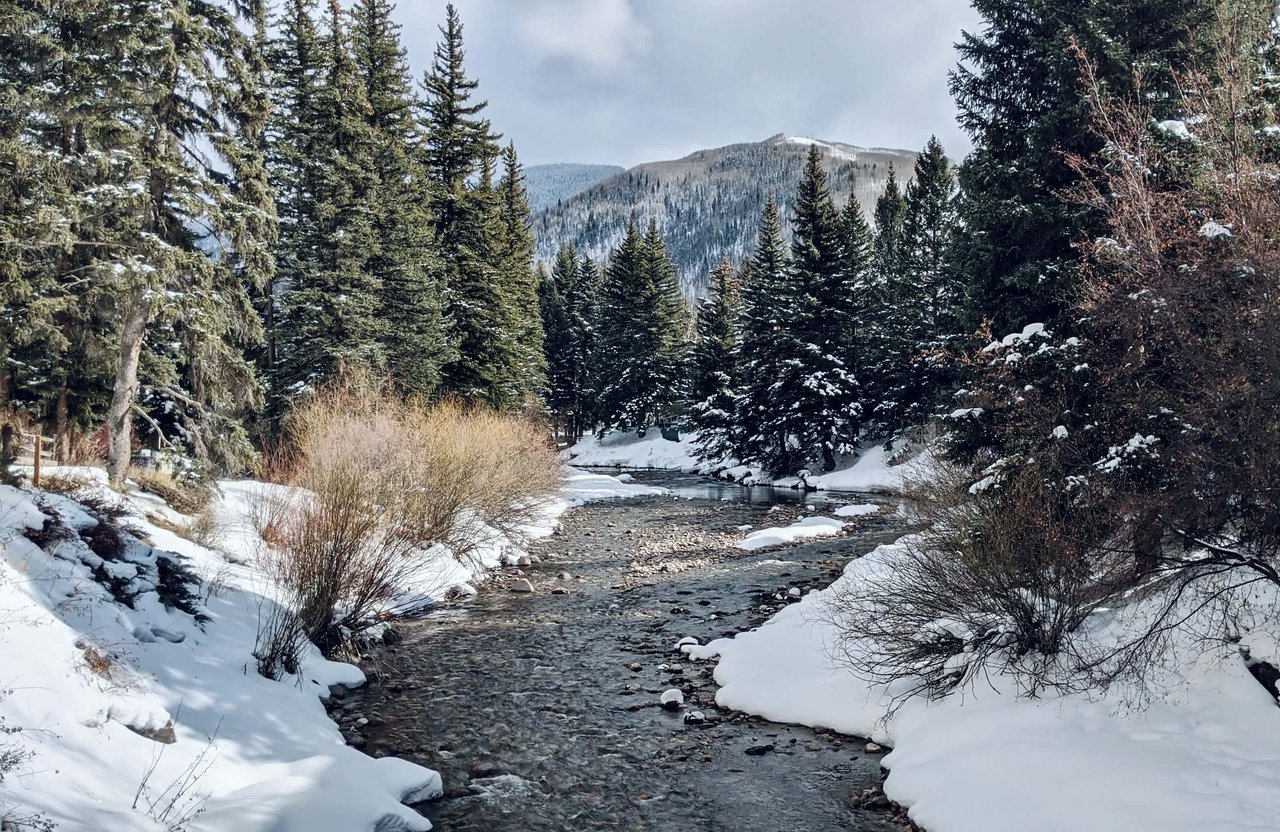
Booth Falls Trail, reachable by the free Vail bus rather than the gondola, climbs through aspen groves to a 60-foot waterfall, and parking at the Vail Village structure runs free during the off-season, according to a recent guide to the hike. The paved path running along Gore Creek through the village itself, distinct from the full Gore Creek Trail, offers the same aspen views with zero elevation gain, which makes it the easiest option for anyone who wants the fall color without committing to a shuttle ride, per a rundown of Vail's fall color spots. The North Trail system above town runs 12 miles for hiking or biking and doesn't touch a lift at any point, according to a guide to Vail's best fall hikes.
This same window overlaps with elk rut season, which runs from mid-September to mid-October across the Eagle River Valley, according to Vail Daily's coverage of the annual breeding season. Bulls locking antlers and bugling across open meadows is a real spectacle, and the standard safety guidance is to stay at least 75 feet back, roughly the length of two school buses, since elk get considerably less patient with onlookers during this stretch than they are the rest of the year.
Reading the Gap Like a Local
None of this makes the six weeks between late September and mid-November a dead zone. It makes them a different kind of alive, one built around trails instead of lifts, a handful of reliably open kitchens instead of a full restaurant scene, and a wildlife calendar that has nothing to do with the resort's operating hours. The people who've been through a few of these know not to expect the village to feel like August or February during this window, and they know the exact date that expectation should reset depends less on the calendar than on how cold October actually gets.
If you already call Vail Village home and find yourself thinking about what these quiet weeks are worth to a property here, whether it's an easy walk to Gore Creek in October or how the neighborhood reads once the crowds are gone, Led Gardner is a phone call away for a private, no-pressure conversation.