Shopping for a Vail Village condo and seeing terms like ski-in, bulk internet, and snowmelt sidewalks? You want the right lifestyle fit, but you also want clarity on costs, rules, and what truly matters in this village setting. This glossary explains the most common amenities you’ll see in Vail Village, why they matter here, and the key questions to ask before you buy or sell. By the end, you’ll know how to compare buildings with confidence and avoid surprises. Let’s dive in.
Vail Village context you should know
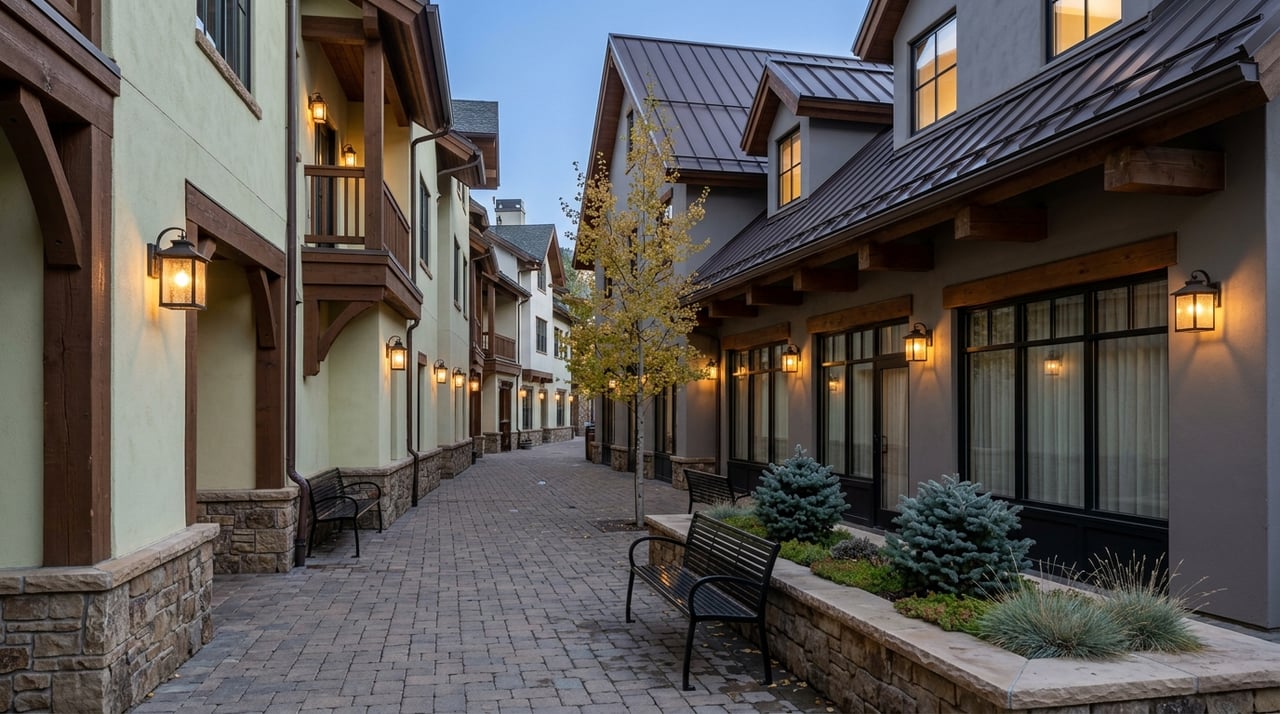
Vail Village is the pedestrian core of the Town of Vail, centered on lift access, dining, and lodging. Many condos here serve short-term guests and second-home owners, so amenities often support resort use. Parking is limited, winters are harsh, and building systems work hard, which can increase operating costs and wear on shared features.
Colorado’s CCIOA governs condo associations and owner rights across the state. The Town of Vail sets rules for zoning, building codes, and short-term rental licensing and taxes. Local regulations and tax rates change, so plan to verify details directly with the Town of Vail and Eagle County when you are under contract.
Amenities glossary for Vail Village
Ski-in and ski-out access
Ski-in or ski-out means direct access to ski runs or a lift without using a vehicle. In the village core, true ski-in or ski-out is rare, but proximity to Gondola One or marked ski paths is a major premium. Confirm the exact route, seasonal limitations, and any easements or maintenance responsibilities that support that access.
Ski lockers and boot dryers
Ski lockers provide secure storage for skis and boards, often near an entry or ski lounge. Boot dryers or warmers are common in Vail and make a big difference on storm days. Ask whether lockers are assigned or first-come and how close they are to the exit you will use to reach the lifts.
Concierge, front desk, and valet
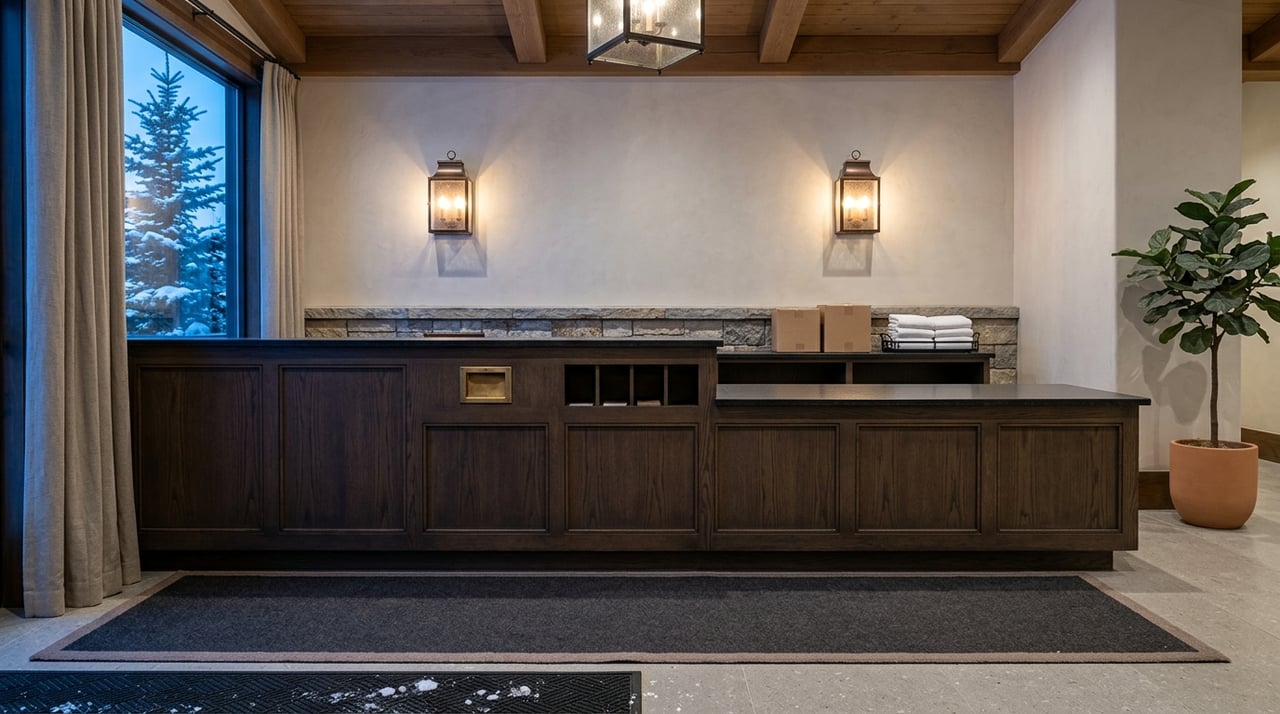
Upscale or condo-hotel buildings may offer staffed front desks, luggage help, lift ticket guidance, and valet parking. These services improve guest experience and can support higher rental rates, but they add staffing costs that show up in HOA dues. Review hours, whether operations are seasonal or year-round, and who employs the staff.
Parking: assigned, tandem, valet, and heated garages
Parking is scarce in the village, so assigned or deeded stalls are highly valuable. Tandem spaces park one car behind another, and some buildings use valet or managed parking to increase capacity. Confirm whether your stall is deeded or a limited common element, what guest parking rules apply, and whether the garage uses heat or snowmelt systems that increase operating costs.
Elevator or walk-up
Elevators matter for aging in place, families with gear, and rental appeal. Many smaller village buildings are walk-ups, which can lower dues but affect convenience and resale for some buyers. If there is an elevator, ask about maintenance records, age, and any planned upgrades.
Pools and hot tubs
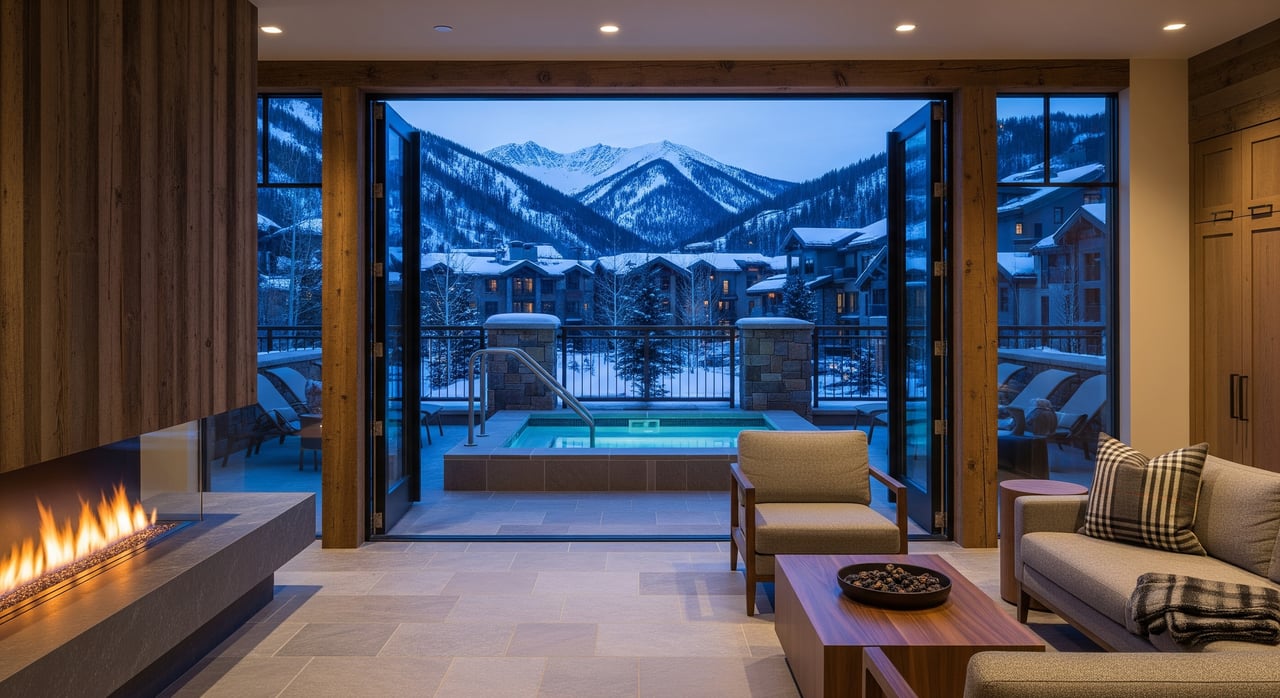
Outdoor hot tubs are common, and some buildings have heated pools. These amenities add enjoyment and rental appeal, but they also increase utilities, maintenance, and reserve needs. Ask about access rules, capacity, seasonal schedules, and any requirements for signage, lifeguards, or ADA access.
Fitness and wellness amenities
Fitness rooms range from a few cardio pieces to full gyms. Higher-end buildings may add saunas, steam rooms, and spa treatment rooms. Check equipment quality, whether spaces are owner-only or also used by guests, and how maintenance and towel service are handled.
Common lounges and après-ski spaces
Shared lounges or owners’ rooms offer places to gather, watch a game, or meet before dinner. In the village, these spaces can be popular during peak seasons and sometimes host private events. Ask about reservation rules, any rental of the space for events, and quiet hours.
Rooftop decks, terraces, and barbecue areas
Rooftop spaces and terraces can showcase Gore Range or village views. Snow, wind, and roof access rules matter in Vail’s climate. Confirm safety systems, winter closure policies, grill rules, and who pays for snow removal or repairs.
Balconies and private decks
Private outdoor space adds value, but snow loads and wind exposure can be significant. Many HOAs regulate storage and grills. Review the HOA rules, understand who maintains railings and deck surfaces, and confirm whether any recent repairs were owner or association obligations.
Fireplaces: gas, wood, or decorative-only
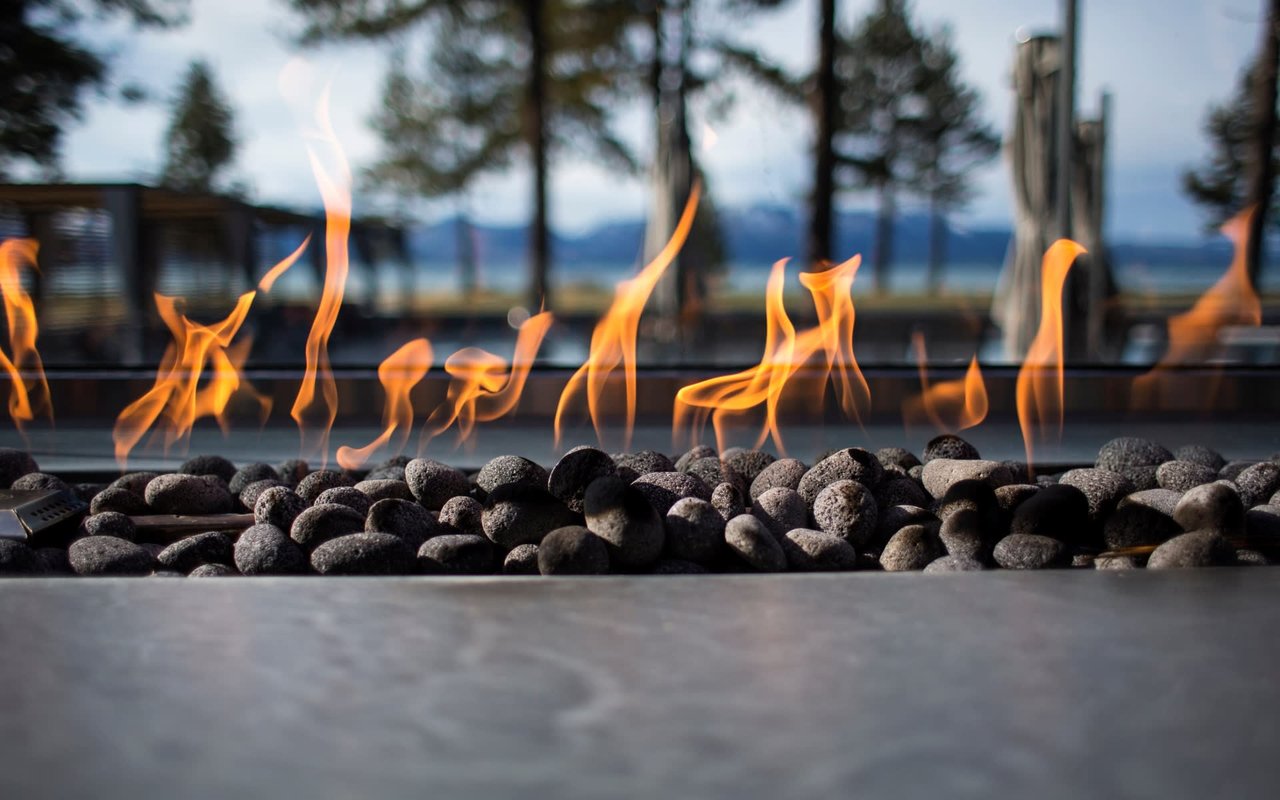
Gas fireplaces and gas logs are common and practical heat sources. Wood-burning units may be restricted by building code or HOA rules. Verify fuel type, maintenance history, and any requirements for inspections or chimney cleaning.
In-unit laundry and hook-ups
Older buildings may lack in-unit laundry due to plumbing or venting limits. Some HOAs prohibit new installs because of pipe freeze risk or infrastructure capacity. If laundry is a must-have, confirm whether hook-ups exist, whether installation is allowed, and whether a permit or board approval is required.
Cable, satellite, and bulk internet
Bulk internet means the HOA contracts building-wide service that is included in dues. This is common in short-term rental buildings and can simplify owner costs. Verify speed, reliability, outage history, and whether owners can upgrade service at their expense.
Security and access control
Keycard access, controlled entries, and CCTV are common where guest turnover is high. These systems can deter misuse of amenities and help with incident documentation. Ask about privacy policies, camera coverage, and how the building handles access for vendors and deliveries.
On-site management and rental programs
In resort markets, professional management is common. Some buildings offer a front-desk rental program or a hotel-style pool where an operator manages reservations for a fee split. Review the management agreement, owner use blocks, blackout dates, termination rights, and fee structure before you commit.
Accessibility features
Some buildings or units have ADA-accessible entries and amenities. Older buildings may have limited accessibility. If accessibility is important, ask for documentation of upgrades and confirm compliance for common areas you expect to use.
Storage rooms, bike storage, and ski tuning areas
Extra storage is a premium in the village. Dedicated ski tuning rooms and secure bike storage improve owner experience and rental appeal. Confirm whether storage lockers are deeded, assigned, or first-come and whether there are seasonal restrictions.
Package rooms and delivery lockers
Secure package rooms reduce losses during peak seasons and support remote ownership. Ask about access hours, package logging, and policies for oversized items.
Building systems: boilers, radiant heat, and snowmelt
Central boilers and radiant heat are common and comfortable in winter. Snowmelt systems keep walkways and garage ramps clear, which improves safety but increases utility use and long-term replacement costs. Request the age, maintenance records, and replacement plans for major systems.
Reserve funds and repair programs
A strong reserve fund is not glamorous, but it is critical in amenity-rich buildings. Pools, elevators, snowmelt, and heated garages require larger reserves. Review the latest reserve study to understand remaining lifespans and planned contributions.
Trash and recycling with bear-proofing
Mountain towns use secure, bear-aware dumpsters and compactors. Ask about pickup schedules, owner responsibilities, and any fines for misuse.
Pet policies and on-site pet features
Rules for pets vary widely by building. Some offer dog runs or pet wash stations, while others restrict pets entirely. Check size limits, approval processes, deposits, and whether rules differ for owners and renters.
Business centers and meeting rooms
These spaces help owners who work remotely or host groups. Confirm reservation rules, fees, and availability during peak seasons.
Ground-floor retail or restaurants
Mixed-use buildings add convenience, but can bring foot traffic and early hours. Review leases where relevant, noise policies, and whether shared systems increase condo operating costs.
Backup power for elevators and heat
Generators keep essential systems running during storms, which is valuable in winter. They also add capital and maintenance needs. Ask about testing schedules, fuel type, and coverage scope.
Snowmelt sidewalks and water features
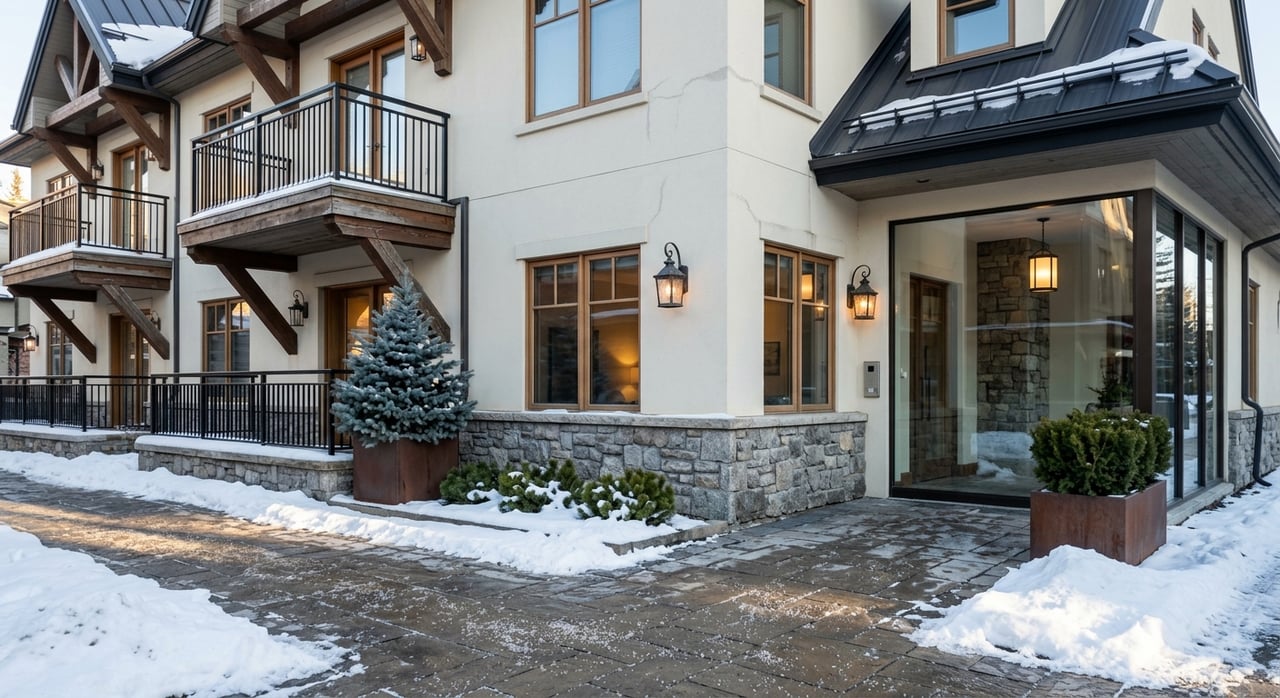
Heated sidewalks improve safety in the village core. Decorative water features add ambiance. Confirm who pays for heat and upkeep and whether special assessments are expected for future repairs.
How amenities affect dues and value
More and larger amenities usually mean higher utilities, staffing, and maintenance, which drive HOA dues. They also require bigger reserves. Review the HOA budget, reserve study, and any history of special assessments to see how the building plans for long-term costs.
Understand what the association maintains versus what owners must repair. CCIOA and your governing documents set these rules, which can include items like windows, balconies, and in-unit plumbing. Clarify insurance coverage too, including master policy limits and deductibles.
If rentals are allowed, confirm licensing requirements, tax collection, fee splits, and owner-use rules. Amenities that support ski access, parking, and guest services often boost nightly rates and occupancy. Balance that potential with dues, reserves, and any rental program fees to see your true net.
Due diligence checklist
Use this pre-offer list to evaluate the building and the unit:
- Latest HOA budget, reserve study, and 12 to 24 months of meeting minutes.
- Maintenance history for roof, boilers, elevators, pools, and snowmelt systems.
- HOA rules and bylaws on rentals, pets, in-unit laundry, grills, and noise.
- Management and rental agreements, including term, termination, fees, and owner-use blocks.
- Master insurance summary, including casualty deductibles and per-occurrence limits.
- Parking documentation and legal status for stalls or valet rights.
- Ski access details and any easements or rights-of-way that support it.
- Utility structure, including what is covered by dues and what is metered.
- Trash, recycling, and wildlife controls such as bear-proofing.
Common questions, straight answers
Do amenities really increase rental income?
Amenities that support ski access, parking, concierge services, and gear storage usually lift rates and occupancy in Vail Village. Weigh those gains against higher dues and management fees to understand your net.
Are higher HOA fees always a red flag?
Not necessarily. In amenity-rich, winter-intense buildings, higher dues can reflect proper staffing, utilities, and reserves. Compare dues alongside reserves, recent projects, and your own use of the amenities.
How important is deeded parking in the village?
Very. Given limited village parking, an assigned or deeded stall can protect convenience and resale value. Confirm the legal status of the stall and guest parking rules.
Can I add a washer and dryer or change the fireplace?
Maybe. Older buildings sometimes restrict in-unit laundry or certain fireplace types. Check HOA rules, required approvals, and any building code or insurance impacts before you plan upgrades.
How can I verify the condition of shared amenities?
Ask for vendor contracts, maintenance logs, inspection reports, and replacement schedules. Cross-check these with the reserve study and recent meeting minutes.
Tips for comparing buildings
- Create an amenity scorecard. List features, note who pays, and rank each by your personal importance, like ski access, parking, or in-unit laundry.
- Compare dues and reserve contributions across peer buildings, not in isolation. A slightly higher fee can be smart if reserves are strong and systems are newer.
- For rental goals, request actual operating statements for the last 12 to 36 months. Look at occupancy, average daily rate, gross revenue, and net after fees and dues.
If you want an amenity-by-amenity walkthrough and a clear read on HOA health, reach out for a private consultation. You will get practical guidance tailored to how you plan to use the condo, from daily living to income potential. Connect with Gardner & Gardner Resort Real Estate for calm, expert help in Vail Village.
FAQs
What does ski-in or ski-out really mean in Vail Village?
- It refers to direct access to ski runs or a lift without a vehicle, but true ski-in or ski-out is rare in the core, so verify the exact route and seasonal access.
How do amenities impact HOA dues and reserves?
- More amenities increase utilities, staffing, and maintenance, which can raise dues and require larger reserves for future replacements.
What should I check about parking before buying?
- Confirm whether the stall is deeded or assigned, understand guest parking rules, and review any valet or managed parking policies.
Are in-unit laundry installs allowed in older Vail buildings?
- Sometimes, but some HOAs restrict installs due to plumbing, venting, or freeze risks, so review rules and approval requirements first.
How can I verify short-term rental rules for a building?
- Read HOA documents for use restrictions, review any rental program agreements, and confirm Town of Vail licensing and tax obligations.
Why do buildings use snowmelt systems and how does that affect costs?
- Snowmelt improves winter safety for sidewalks and ramps, but it increases utility use and long-term replacement needs that impact dues and reserves.
What documents reveal the true condition of amenities?
- Ask for the reserve study, maintenance logs, vendor contracts, inspection reports, and recent HOA meeting minutes for 12 to 24 months.