Parking and storage can make or break your Vail Village condo experience. In a compact, high-demand resort core, where you park and where you put your gear affects daily life, rental plans, and resale. If you are buying or selling, the details behind a stall, locker, or permit can change value and convenience. This guide gives you practical steps to verify rights, plan for winter, and simplify moves and guest arrivals. Let’s dive in.
Why parking and storage matter
Vail Village is designed for walking and skiing, not for large garages. Space is scarce and rules are specific. During peak season and snow events, parking access and loading zones tighten.
To stay current on maps, restrictions, and permits, review the Town of Vail Transportation & Parking resources on the Town of Vail website. For regional connections beyond the village, you can also check Eagle County transportation resources.
Understand parking types
Deeded parking
Deeded stalls transfer with the unit and appear in the legal description or as a separately deeded parcel. This is the most secure, marketable form of parking because it runs with title. Ask your broker and title officer to confirm the stall in the recorded documents and on the title commitment before you finalize terms.
Assigned or limited common element parking
Some buildings reserve stalls for specific units, but the HOA controls assignments under the condo documents. The board may have authority to reassign spaces, set use rules, or require approval for transfers. Confirm in writing whether the assignment is permanent, revocable, or subject to board policy.
Municipal garages and permits
Many condos rely partly on municipal structures and lots managed by the town. These operate by permit, monthly lease, or transient fees, and they may sit a short walk from your building. Review programs, hours, and current rules on the Town of Vail Transportation & Parking pages and factor the walk time into your daily routine.
Valet and commercial-managed parking
Some buildings or hotel-conversion properties use valet for residents and guests. Policies vary, including fee schedules, guest access, and who controls the stalls. If you expect frequent visitors or rental guests, clarify how valet works for non-owners.
On-street parking and loading zones
On-street options in Vail Village are limited and tightly enforced, especially in winter. Loading zones often have strict time windows and seasonal restrictions. For moves or large deliveries, you may need to coordinate permits or timing with your HOA and the town.
Off-site and long-term vehicle storage
Off-site park-and-ride and long-term lots exist outside the village and can work for seasonal vehicles. They are not ideal for daily access but can be helpful if your building has limited capacity. Ask your HOA or property manager about common off-site solutions residents use.
Storage options in Vail condos
Ski and snow gear lockers
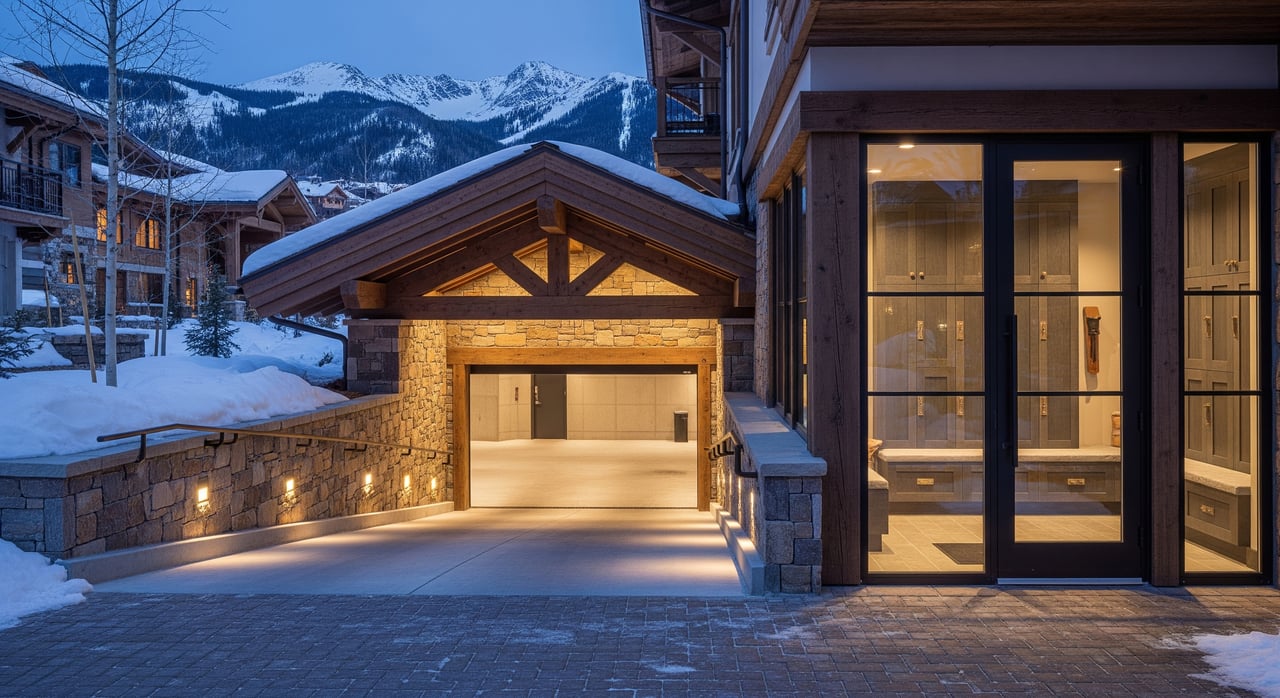
Many buildings offer ski lockers or shared ski rooms near entries or garages. Capacity and assignment methods differ by property. Confirm whether lockers are deeded, assigned, or first-come, and note any size limits or fees.
Bicycle storage
Shared bike rooms or rack systems are common, with seasonal rules for winter storage. Security, access hours, and whether you must store bikes on hooks matter if you ride often. Check if e-bikes are allowed and where batteries must be stored.
General storage rooms and cages
Basement or garage-level cages and small storage rooms are typical. Contents, size, and insurance expectations vary by building. Ask whether the space is deeded or HOA-controlled and whether there are restrictions on what you can store.
In-unit storage
Many Vail Village layouts are compact. If storage is essential, prioritize floor plans with entry closets, mud areas, or pantry space. If a unit lacks built-ins, budget for smart interior solutions.
Off-site climate-controlled units
Owners sometimes rent off-site storage for seasonal gear or furniture. Availability can tighten during peak seasons. If you expect to store larger items, plan early.
Safety rules and restricted items
Fire code and HOA rules often prohibit propane cylinders, gasoline, and certain large batteries in storage rooms and underground garages. Some buildings direct where you can dry ski boots or gear. Plan to follow posted rules to avoid violations.
Rules, seasons, and operations
Town regulations and enforcement
The Town of Vail manages municipal lots, on-street rules, and enforcement. Programs, maps, and advisories are posted on the Town of Vail Transportation & Parking pages. Expect additional restrictions during special events and peak holiday periods.
Winter and snow operations
Snow removal requires vehicles to be cleared from certain streets and lots during snow events. The town issues winter parking advisories and may tow parked vehicles to enable plowing. If you plan a winter move or delivery, coordinate in advance with your HOA and the town to reserve loading windows and comply with any permits.
HOA rules and CC&Rs
HOAs set day-to-day policies for vehicle types, garage access, and guest parking. Restrictions can include rules for oversized vehicles, commercial vans, and contractor parking during renovations. Review CC&Rs, bylaws, rules, and recent board minutes to spot changes, enforcement trends, and any fines.
Short-term rentals and guest vehicles
If you plan to rent your condo, understand how guest vehicles are handled. Some HOAs require registration, limit the number of vehicles per unit, or direct guests to municipal lots or valet. Clarify guest fees, pass procedures, and enforcement so arrivals are smooth.
EV charging
EV readiness in mountain towns is growing, but capacity varies by building. Some garages have shared chargers, while others require HOA approval for owner-installed Level 2 units. Verify existing infrastructure, the approval process, and any electrical upgrades needed before you rely on charging at home.
Due diligence checklist
Documents to review
- Recorded deed and title commitment to confirm whether parking and storage are deeded.
- Condominium plat and map to pinpoint the exact stall and storage location.
- CC&Rs, bylaws, and rules for assignment rights, guest parking, storage restrictions, and EV policies.
- HOA budgets and reserve studies for garage repairs, elevator projects, or electrical upgrades.
- Recent board minutes and violation logs for parking disputes or rule changes.
Practical questions and on-site checks
- Measure stall size and test access for your vehicle type.
- Confirm if the stall is deeded, exclusively assigned, or shared and whether it transfers at closing.
- Ask about waitlists for extra stalls and any separate parking fees.
- Learn how guest and renter parking works and whether passes are guaranteed or first-come.
- Verify ski locker, bike room, and storage cage access, assignments, and fees.
- Ask about EV chargers on site and the process and costs to add one.
- Clarify moving rules, elevator scheduling, and loading-zone permits, especially in winter.
Insurance and liability
- Confirm whether HOA insurance covers items in common storage rooms.
- Verify expectations for owners to insure stored contents.
- Review any indemnity language for valet or third-party parking operations.
Listing and disclosure tips for sellers
- State the nature of parking and storage clearly in marketing materials.
- Use accurate language such as “one deeded underground stall shown on recorded plat” or “no assigned parking; residents may apply for town permits.”
- Provide copies of relevant pages from the plat, CC&Rs, and recent rules to your listing broker for buyer review.
Tips to protect value as a seller
Organize and photograph lockers and cages so buyers see usable space.
Label what conveys at closing, such as ski lockers or bike hooks, and what is an HOA assignment.
Share your real-world routine. Tell buyers how you handle guest passes, deliveries, or winter parking.
If allowed, outline an EV charging path. If an approval is in process, provide the paperwork.
Moving logistics in Vail Village
Moves work best with planning. Reserve building elevators and loading areas ahead of time, and ask the HOA if there are weekday-only or seasonal restrictions. For curbside loading, check the Town of Vail guidance and obtain any required permits.
In winter, aim for midweek windows and watch town advisories. Coordinate truck size, access routes, and snow conditions with your movers. Share building rules with vendors to avoid fines or delays.
How we help
You deserve clear answers and smooth execution. With deep Vail Village experience, we help you verify deeded versus assigned rights, read HOA documents, and coordinate with property managers and the town. We also manage logistics for remote clients, from pre-inspections to move-in timing and vendor scheduling.
If you are weighing two similar condos, parking and storage can be the tiebreaker. We will map your day-to-day routine, rental plans, and gear needs to the right building and stall setup, then make sure the rights you expect are the rights you get at closing.
Ready to talk specifics about a building or a unit? Reach out to Gardner & Gardner Resort Real Estate for a private, no-pressure property consultation.
FAQs
Do most Vail Village condos include a parking stall?
- It varies by building and unit; some include deeded or assigned stalls while others rely on municipal or leased options, so always confirm in the deed and HOA documents.
How do ski lockers typically work in Vail Village buildings?
- Many properties offer ski storage, but availability, assignment method, and capacity differ, so verify details with the HOA or management before you rely on a locker.
Can I rent or sell my parking stall separately from my condo?
- A deeded stall may be transferable subject to law and HOA rules, while an assigned stall is usually controlled by the HOA and may have limits on transfer or rental.
What should I expect during snow removal periods in Vail?
- The town issues winter parking advisories and may restrict parking or tow vehicles for plowing, so coordinate with your HOA and check the Town of Vail pages for updates.
Can I install an EV charger in my garage stall?
- Possibly, but you will likely need HOA approval and enough electrical capacity, so confirm feasibility, process, and any upgrade costs before purchase.
How is guest parking handled if I run short-term rentals?
- Policies vary by HOA and may include registration, fees, a limit on vehicles, or directing guests to municipal lots or valet, so get written guidance before hosting.