Imagine waking up, clicking into your skis, and gliding to Gondola One within minutes. If you own a slopeside condo in Vail Village, that kind of morning is normal. You want convenience, a lively village scene, and a lock-and-leave home that works for both winter and summer. This guide shows you what day-to-day life really looks like, what it costs, how rentals work, and how to choose the right building for your goals. Let’s dive in.
Why Vail Village slopeside
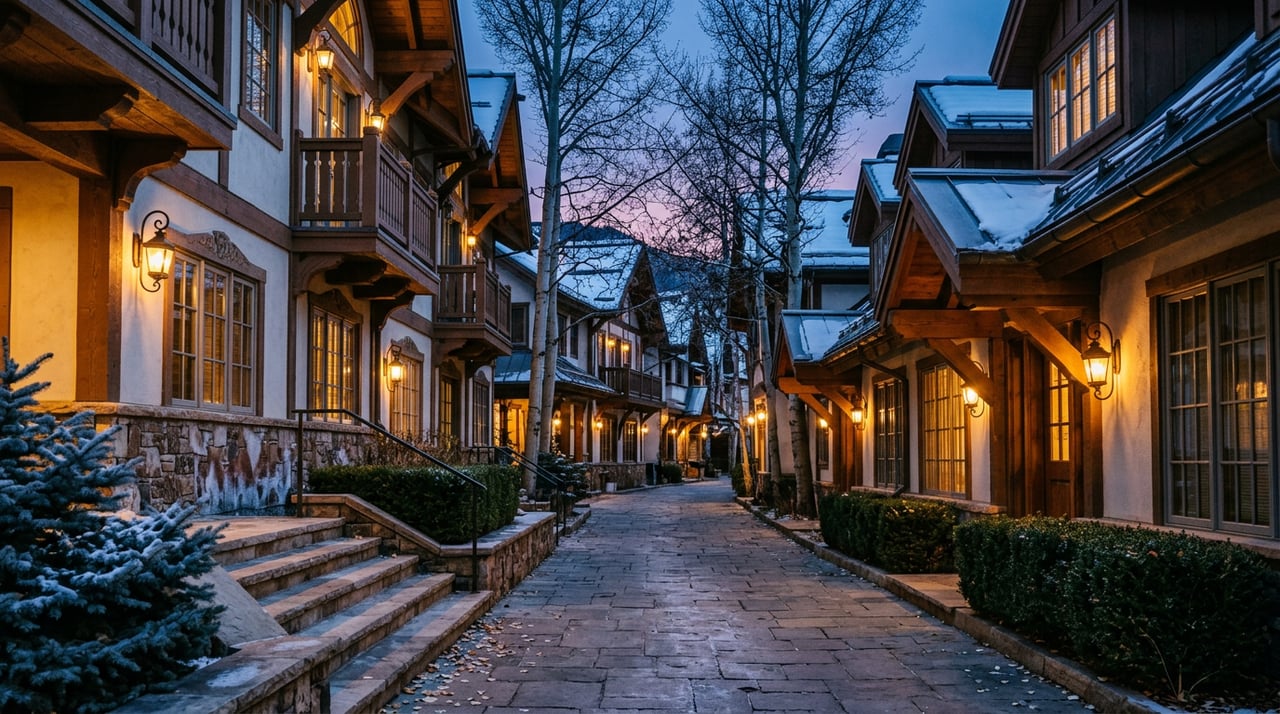
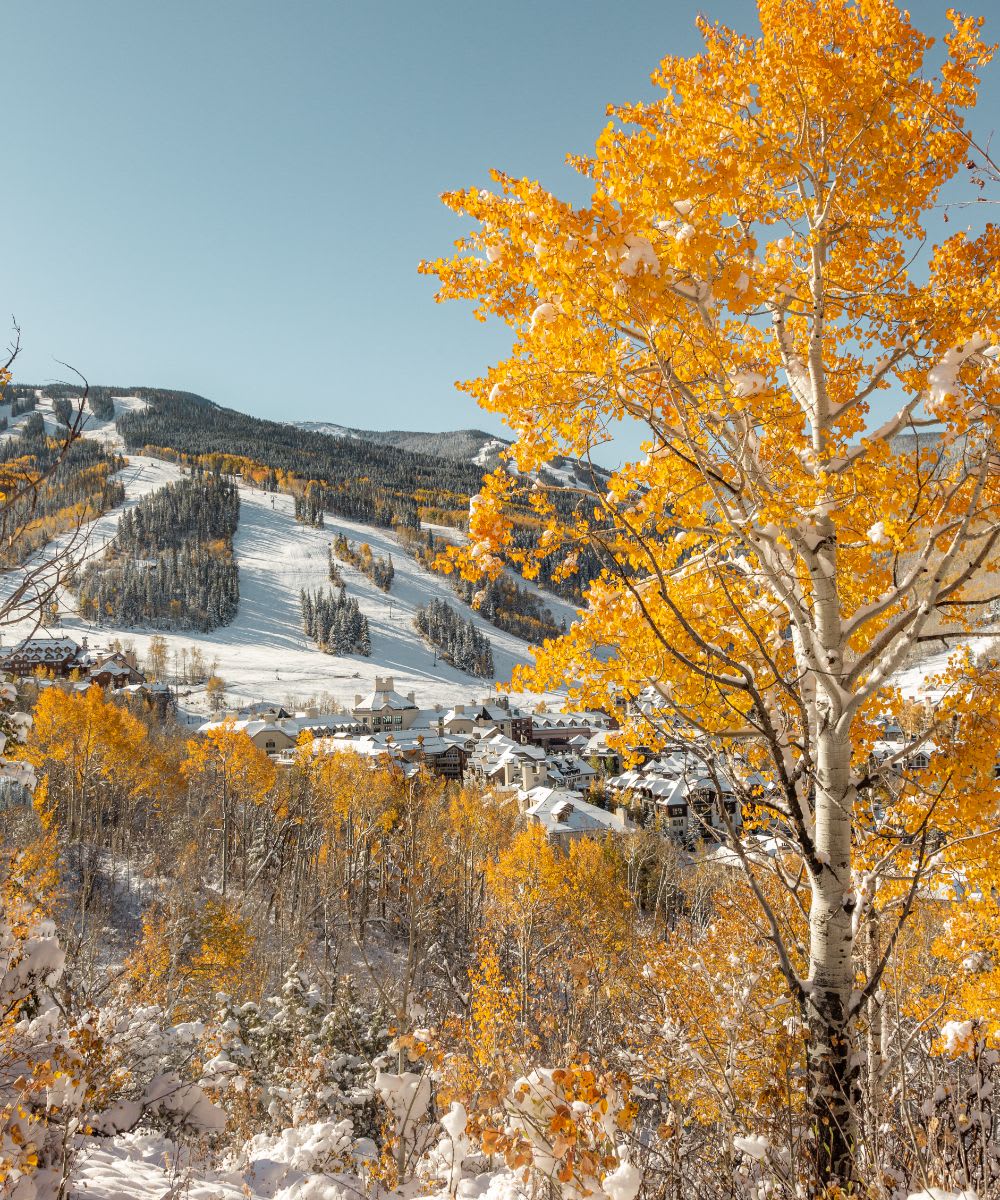
Vail Village is the historic, pedestrian-focused heart of the resort, set just east of Gore Creek. It is compact, walkable, and full of alpine-style buildings, shops, dining, and après spots. Compared to Lionshead, Vail Village feels a bit more intimate, with nightlife and restaurants clustered near the gondola plaza.
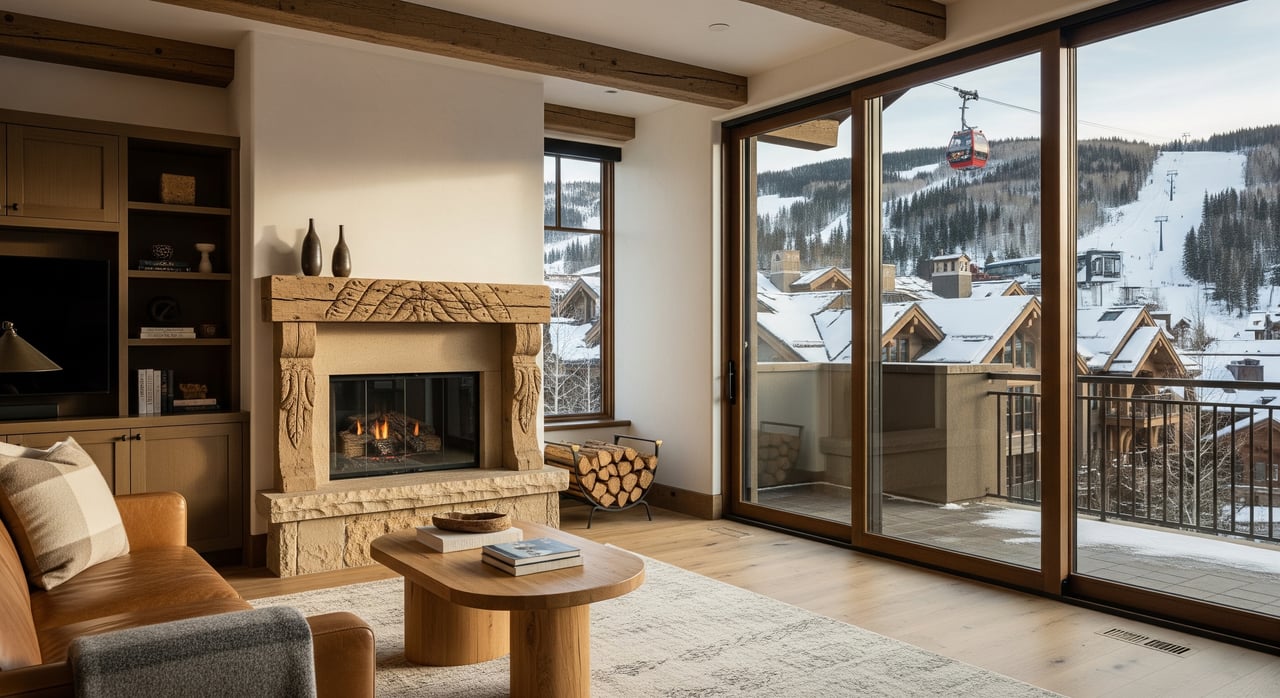
“Slopeside” here typically means your condo sits at or near the base area with a short walk or quick ski to lifts. Access varies by building and unit, but many properties near Gondola One offer ski lockers, boot rooms, and concierge services that make coming and going easy. Vail Mountain is operated by Vail Resorts, and you can check seasonal operations and lift info on the official site for Vail Mountain.
How slopeside access works
Not all “slopeside” is the same. In Vail Village, it usually means one of the following:
- Direct ski access to a run or base area path.
- A short walk across the plaza to Gondola One.
- A quick boot transfer from your building to the lift.
Older buildings may have stairways and tighter corridors. Newer developments tend to add elevators, covered walkways, and in-building ski valet. Either way, most owners rely on assigned ski lockers and heated boot rooms to avoid hauling gear through common areas.
Getting here and getting around
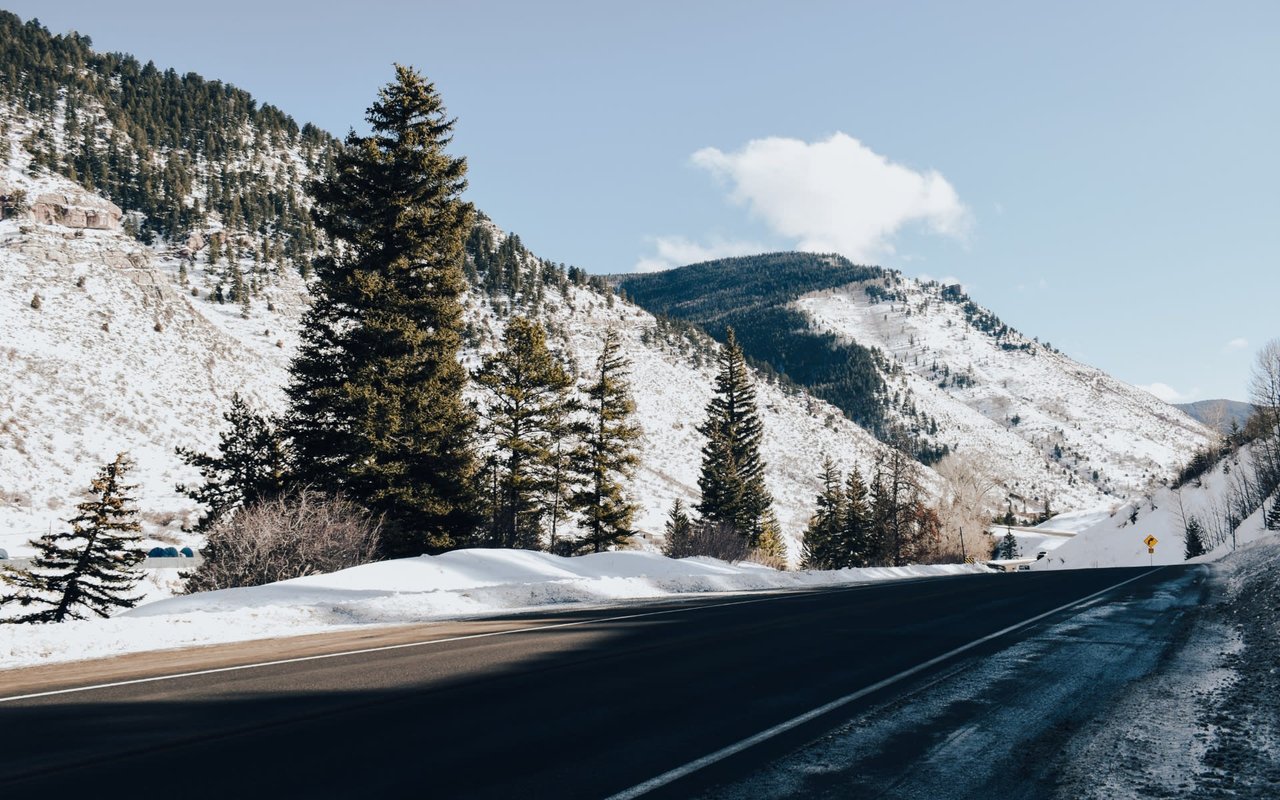
If you fly, you will choose between Denver International Airport and Eagle County Regional Airport. Driving from Denver to Vail typically takes about 2 to 2.5 hours depending on weather and traffic on I-70. Check CDOT advisories during winter weekends and holidays to plan for delays. For a quicker transfer, especially in peak ski season, many owners use Eagle County Regional Airport, which is about a 30 to 40 minute drive to Vail.
Once you are in the village, you will likely walk to everything. The core is pedestrian only in many areas, and local shuttles and town buses make nearby trips simple. Parking is limited in most buildings, often with assigned garage spaces or valet arrangements, so confirm your unit’s allocation and any extra costs for guests.
Daily life in a slopeside condo
A typical winter day starts with a short walk or glide to Gondola One. Your gear lives in a private locker, and warm boots are waiting in the boot room. After skiing, you might stop for après, then head to a spa, hot tub, or your own balcony. Dinner options are nearby with a casual walk through the village.
You will also experience the rhythm of a resort village. Event weekends mean more energy and crowds. Some buildings face plazas or restaurant streets that feel lively into the evening. If you prefer quiet, look for units that face interior courtyards or are set back from the main pedestrian flow.
Building services and maintenance
Your HOA services shape day-to-day life. Common inclusions in many slopeside buildings are snow removal, elevators, trash and recycling, building heating and plumbing maintenance, concierge desks, and amenity upkeep for pools, spas, and fitness areas. Service levels vary by property, and so do fees. In winter, timely snow clearing and roof maintenance are essential, especially for older alpine-style roofs.
Costs to expect
Your ongoing costs will depend on the building, amenities, and your usage. Plan for:
- HOA dues. Higher for amenity-rich buildings with concierge, pools, and extensive common areas. Confirm what is included, such as hot water, cable, Wi‑Fi, insurance on common elements, and any special assessments.
- Property taxes. Assessed by Eagle County and the Town of Vail. Check current methodology and history with the county assessor.
- Utilities and winter energy use. Heating and hot water are big factors. Thermostat management and insulation quality matter.
- Insurance. Typical condo coverage applies, with attention to mountain risks like frozen pipes and roof snow loads. Add coverage for rental liability if you plan to host guests.
Short-term rentals and rules
Short-term rentals are common in resort communities, but Vail has specific rules. The Town of Vail requires licensing or registration for rentals, and you must collect and remit lodging or transient occupancy taxes. Your HOA may also restrict or prohibit short stays. If renting is part of your plan, review both municipal and building rules before you buy. You can find municipal guidance on the Town of Vail website.
Income potential and seasonality
Rental demand peaks around major winter holidays and key summer events. Shoulder seasons can be quieter. Nightly rates vary by unit size, view, amenities, and proximity to the gondola. Many out-of-area owners use professional property managers to handle bookings, guest services, cleaning, and compliance so they can keep the experience hands-off.
Seasonal rhythm: winter to summer
- Winter. Expect long ski days, lively après, and heavy weekend traffic during holidays. Plan grocery runs around peak arrival periods and give yourself extra travel time when storms roll through I-70.
- Spring and fall. Some restaurants and shops reduce hours during shoulder seasons. The village is quieter, which many owners value for peaceful visits.
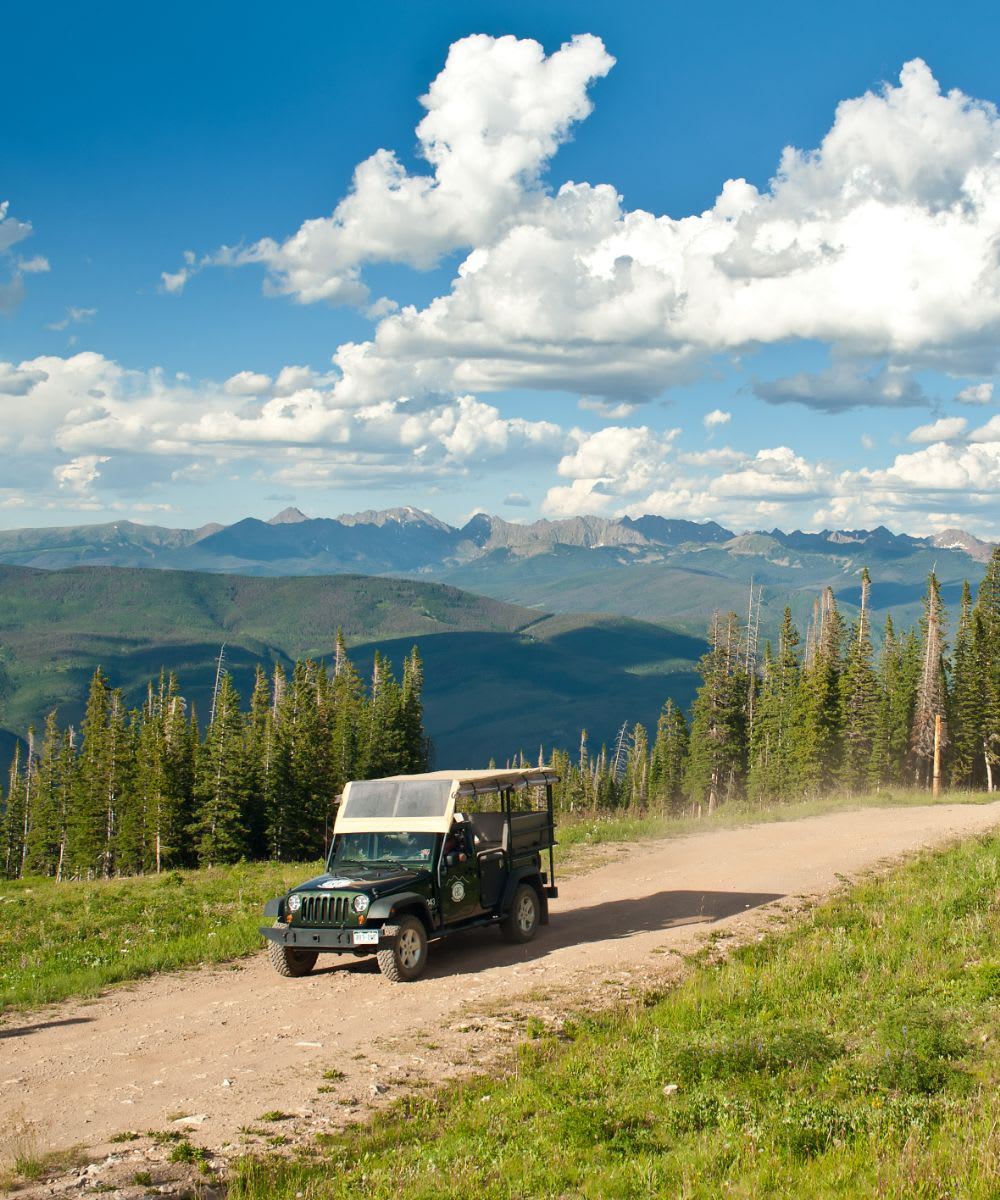
- Summer. Hiking, biking, patios, and frequent events are the draw. The walkable village vibe continues, just with bikes and hiking boots instead of skis.
For mountain operations and season calendars, refer to Vail Mountain’s official site. For broader company announcements, see Vail Resorts.
What to look for when you buy
Use this checklist during your search and due diligence:
Location and access
- How exactly does the unit get you to the mountain: ski-out, walk to the gondola plaza, or shuttle? How many minutes in boots?
- What is the winter route like: stairs, steep sections, wind exposure, or drift-prone areas?
Building specifics
- Ski storage: assigned locker, dimensions, and whether there are boot dryers or in-building valet.
- Parking: number of assigned spaces, guest parking policy, and winter access.
- Elevators and corridors: are routes to the slopes enclosed and heated?
- Amenities and inclusions: which utilities or services does the HOA cover, and what are the hours and rules for pools, spas, and fitness rooms?
Financial and legal
- Current HOA dues, reserve health, and any pending special assessments.
- Property tax history and assessment approach.
- Short-term rental permissions: Town licensing, tax remittance, and HOA rules on minimum nights and management.
- Insurance requirements for both ownership and rentals.
Operations and maintenance
- Roof and snow-load maintenance history, especially in older buildings.
- Plumbing, insulation, and freeze-prevention measures like heat tape.
- Trash logistics: centralized rooms, pickup schedules, and access in winter.
Lifestyle fit
- Typical noise levels based on unit orientation: plaza-facing versus courtyard-focused.
- Walkability to your favorite restaurants, shops, pharmacy, and markets.
- Neighboring unit usage: owner-occupied, mixed, or heavy short-term rental presence.
Is it right for you?
If you want quick mountain access, a walkable village lifestyle, and strong four-season appeal, a slopeside Vail Village condo delivers. You trade some privacy and parking flexibility for unbeatable convenience and energy. With the right building and the right orientation, you can balance lively access with a quieter retreat.
When you are ready to refine your options, connect with a local, service-first advisor who knows each building’s strengths, HOA rules, and resale dynamics. If you want a calm, concierge-style process from search to closing and beyond, reach out to Gardner & Gardner Resort Real Estate for a private consultation.
FAQs
What makes Vail Village “slopeside” different from Lionshead?
- Vail Village offers an intimate, historic core near Gondola One with concentrated dining and nightlife, while Lionshead sits to the west with its own mountain access and a slightly different village layout.
How long is the drive from Denver to Vail in winter?
- Typical drive time is about 2 to 2.5 hours, but winter weather and holiday traffic on I-70 can add time. Check CDOT updates before you go.
Is short-term renting allowed for Vail Village condos?
- Many buildings allow it, but rules vary. You will need Town licensing and to remit lodging taxes, and your HOA may set additional restrictions. Start with the Town of Vail for guidance.
Do slopeside buildings include ski lockers and boot rooms?
- Most do, but specifics differ by building. Confirm locker size, location, heating or boot dryers, and whether ski valet is available.
Are slopeside condos noisier at night?
- Units facing plazas or restaurant streets may experience more evening activity, especially during events. Courtyard-facing or interior units are typically quieter, and good window insulation helps.