Is your Beaver Creek home ready to shine this winter, or are snow and cold quietly working against your comfort and resale value? In a high-elevation resort market, small upgrades can make a big difference in how your home feels, shows, and operates. Whether you plan to enjoy the season or list in the coming months, you can focus your budget on improvements that deliver comfort, safety, and strong buyer appeal. This guide gives you clear priorities, practical tips, and local considerations so you can make smart, winter-ready choices. Let’s dive in.
Why winter upgrades matter in Beaver Creek
Beaver Creek’s long cold season, heavy snowfall, and freeze–thaw cycles demand homes that manage snow, ice, and heat loss well. Buyers in ski areas value turnkey, low-maintenance properties that feel warm and solid the moment they step inside. Visible winter-readiness, like a cleared driveway, a covered entry, and well-managed roof snow, can shape buyer perception before they tour the interior.
You also live better when your home is winter-ready. A tighter envelope, efficient heating, and organized gear space reduce daily hassles. If you plan to sell, these upgrades help you stand out in a competitive resort market where convenience and reliability command attention.
First priorities: seal, insulate, ventilate
Air sealing and attic insulation
Air leaks and underinsulated ceilings drive heat into attics, raising the risk of ice dams and increasing your heating load. Start with sealing penetrations around lights, ducts, plumbing stacks, and chimneys, then add insulation where needed. The U.S. Department of Energy explains why insulation and air sealing are among the most cost-effective steps for cold climates.
If you change insulation levels, confirm that attic ventilation remains appropriate. Correct sequencing is key: air seal first, then insulate, then verify ventilation so you do not trap warm, moist air where it can cause ice or condensation.
Windows and doors
Drafty windows and doors hurt comfort and increase operating costs. Upgrade to high-performance double or triple-pane units with low-e coatings suited for mountain climates, and add quality weatherstripping on doors. ENERGY STAR’s guidance on windows and doors is a helpful reference when you compare options.
Moisture control and vapor management
In cold climates, you want to manage both heat and moisture. Work with qualified pros who understand vapor retarders and condensation risks at elevation. Proper detailing in walls, ceilings, and crawlspaces protects your structure and indoor air quality over time.
Heat smarter: systems that perform at altitude
High-efficiency furnaces and boilers
If your combustion equipment is aging or unreliable, a high-efficiency replacement can improve comfort and reduce operating costs. Confirm proper combustion air and carbon monoxide safety, and have a pro verify that distribution and zoning match the home’s use patterns.
Cold-climate heat pumps
Modern cold-climate air-source heat pumps can perform well in many cold regions when sized and installed correctly. They can also provide summer cooling. Review suitability with an HVAC contractor experienced at elevation and plan for backup heat as needed. For context on industry progress, the Department of Energy’s Cold Climate Heat Pump Technology Challenge highlights systems designed for colder conditions.
Radiant comfort in key rooms
Hydronic in-floor heat in bathrooms, mudrooms, or living areas is a buyer favorite for winter comfort. If a whole-home radiant system is not practical, targeted radiant zones can deliver high perceived value where you feel the floor underfoot.
Hot water and smart controls
Consider high-efficiency tank or tankless water heaters and insulate hot water lines, especially in unconditioned areas. Zoning and smart thermostats help you fine-tune temperatures for occupied spaces and reduce waste when you are away. If your home is a second residence or rental, this level of control is particularly useful.
Indoor air quality and humidity
Balanced ventilation with an HRV or ERV maintains indoor air quality while managing heat and moisture. Humidification can improve comfort in winter, but it needs careful control to avoid condensation on cold surfaces. A knowledgeable HVAC pro can help you set appropriate targets.
Roof and ice management
Roof condition and snow loads
Harsh winters can shorten roof life. If your roofing is due, choose materials and assemblies rated for heavy snow and freeze–thaw cycles. If you are remodeling or adding flat or low-slope sections, consult a structural engineer to confirm local snow-load requirements.
Ice dam prevention strategy
The best defense is a well-sealed ceiling plane, adequate insulation, and correct ventilation. This reduces heat loss into the attic that melts roof snow from below. If you rely only on heat cables without fixing underlying issues, you may be masking the symptom, not the cause.
Gutters, snow guards, and heat cables
Keep gutters clear and direct downspouts away from walkways. Add snow guards over entries and high-traffic paths to prevent roof avalanches that drop heavy snow loads without warning. Heat cables can be useful in specific areas like valleys and gutters, but they are a maintenance item. Pair them with envelope upgrades for best results.
Functional winter spaces buyers love
Mudroom or boot room
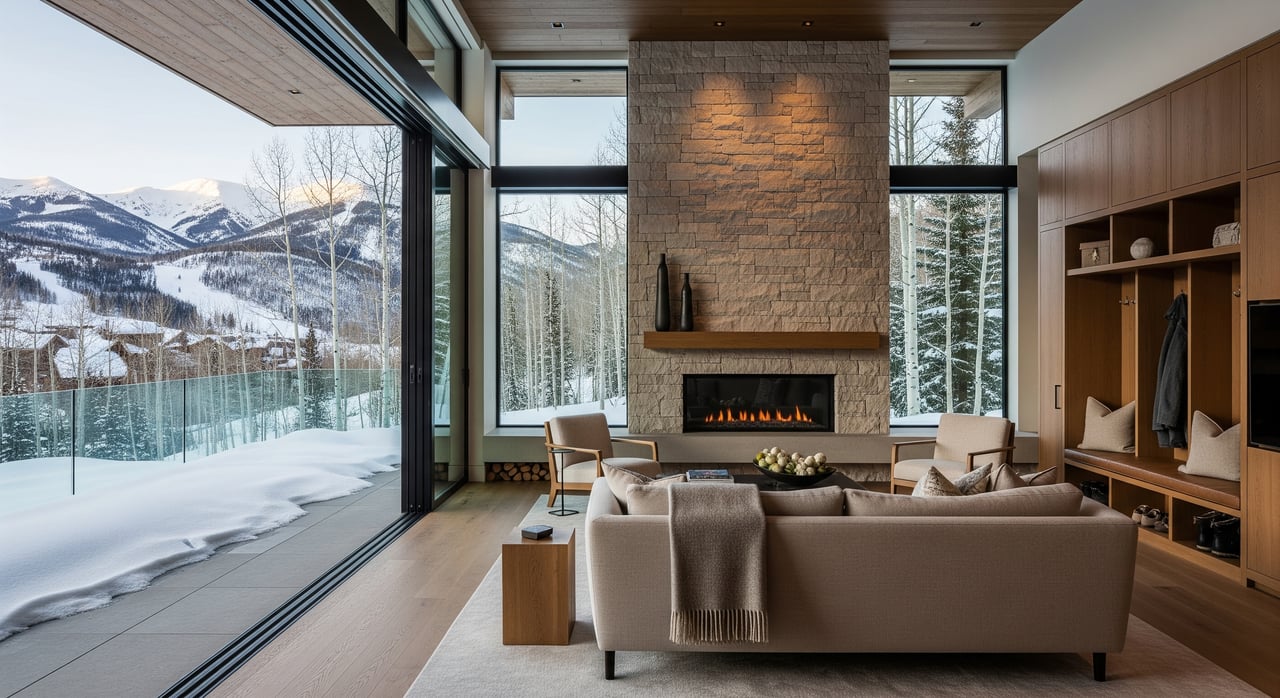
Create a durable landing zone that keeps the rest of the home clean and dry. Use non-slip tile or waterproof flooring, add benches, hooks, and ventilated storage, and consider boot dryers or a drying cabinet. This is one of the most appreciated upgrades in ski markets.
Ski and gear storage
Dedicated racks, lockable cubbies, and ventilated cabinets make daily routines easier and show well during tours. If you rent, labeled storage helps guests use the space without confusion.
Heated or insulated garage
An insulated garage door and a small heater can keep vehicles and gear ready on cold mornings. Organized wall systems and overhead racks create extra capacity for bulky winter items.
Covered or heated entry
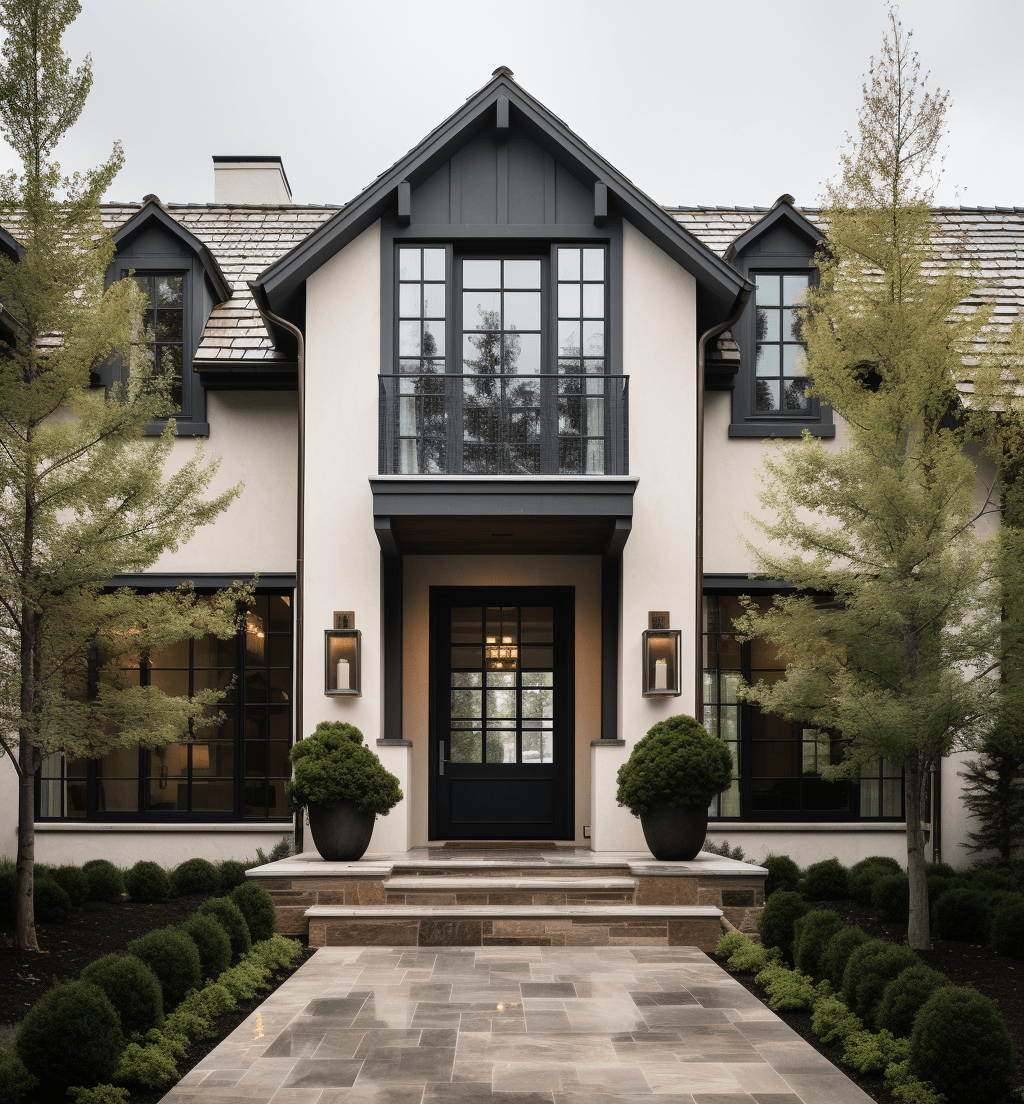
A covered front entry or vestibule limits snow tracked into the home and improves first impressions. If feasible, small snow-melt zones at entries reduce slip risk and keep paths clear.
Driveway and exterior access
Snow-melt, grading, and durable surfaces
Heated driveways and walkways are a high-convenience feature suited to premium properties. For any driveway, ensure proper grading and drainage so meltwater does not refreeze where you walk. Choose durable surfaces that handle plows and provide traction.
Lighting and sensors
Motion lighting on short winter days improves safety around parking areas and entries. Pair lighting with handrails where steps collect ice, and keep house numbers visible for service providers.
Plan for snow storage
Identify where you will stack or blow snow so it does not block sightlines, parking, or walkways. If you rely on a snow service, discuss storage areas in advance to avoid damage to landscaping.
Safety, resiliency, and maintenance
Backup power
Standby generators can keep heating systems, refrigerators, and key circuits running during outages. Solar with battery storage is another option if designed by experienced professionals.
Carbon monoxide and smoke detection
Test and replace detectors as needed, especially in homes with combustion appliances or fireplaces. Document installation dates and recent maintenance for buyer peace of mind.
Pipe freeze protection
Insulate exposed plumbing, convert to frost-proof hose bibs, and add heat tape in vulnerable runs where appropriate. A quick inspection before deep winter can prevent major damage.
Chimney and fireplace service
Have chimneys cleaned and inspected and confirm gas fireplaces vent properly. Buyers often ask about fireplace condition in ski properties, so service records are helpful.
Snow and ice removal plans
If you have a contract for driveway and walkway clearing, keep it active and disclose it when listing. Reliable access is a strong selling point during showings and rentals.
What pays off when you plan to sell
Buyers in resort markets often pay a premium for homes that feel turnkey and low maintenance. Prioritize upgrades that reduce winter hassles and show well in photos and in person. A practical ranking you can use:
- Air sealing, attic insulation, and proper attic ventilation.
- Mudroom and gear storage improvements that look organized and durable.
- Roof condition, clean gutters, and snow guards in key areas.
- Efficient, well-maintained heating system with smart controls.
- Insulated or heated garage and improved driveway access.
- Pipe insulation, freeze protection, and CO/smoke safety devices.
- Selective luxury items like snow-melt or radiant floors for high-end listings.
For broader buyer preference trends, the National Association of Realtors’ research on sustainability and efficiency features shows ongoing interest in energy-conscious homes. For national cost context, Remodeling Magazine’s Cost vs. Value report is a useful benchmark, though you should base decisions on local comps and contractor quotes.
Winter listing tips that improve showings
- Clear the driveway, walkways, decks, and entries before photos and tours.
- Turn on lighting and set comfortable temperatures in all zones.
- Stage the mudroom with clean benches, boot trays, and visible storage.
- Provide documentation for recent HVAC service, chimney cleaning, roof inspections, and detector replacements.
- If you have snow-melt or specialized systems, label controls and provide a simple how-to card.
Permits, HOA, and local approvals
Before you start exterior or system work, confirm permit requirements and HOA rules. Eagle County provides permit guidance through the Building Department. Many Beaver Creek neighborhoods and condo associations have architectural review or vendor-approval processes. Review CC&Rs, discuss plans with your HOA manager, and consider site-specific drainage rules so meltwater does not impact neighboring properties.
Budget to luxury: a simple plan
- Quick wins this month: Air seal obvious gaps, add weatherstripping, replace worn door sweeps, service the furnace or boiler, test detectors, and schedule gutter cleaning.
- Mid-range impact: Add attic insulation after sealing, upgrade a few critical windows or an insulated garage door, build out a storage-rich mudroom, and install smart thermostats with zoning.
- Premium features: Hydronic radiant floors in targeted rooms, snow-melt at the primary entry or steep walkway, high-performance window replacements throughout, and a standby generator.
Pre-winter checklist for Beaver Creek owners
- Schedule HVAC tune-up and filter replacements.
- Clean gutters and confirm downspout drainage away from walkways.
- Inspect roof, flashings, and snow guards; plan any repairs.
- Seal attic penetrations, then add insulation where lacking.
- Insulate exposed plumbing and convert hose bibs to frost-proof.
- Service fireplaces and chimneys; keep records handy.
- Test smoke and CO detectors; replace batteries and expired units.
- Confirm snow removal plan and designated snow storage areas.
- Label smart thermostats and verify remote access if you are a second-home owner.
Local context and buyer expectations
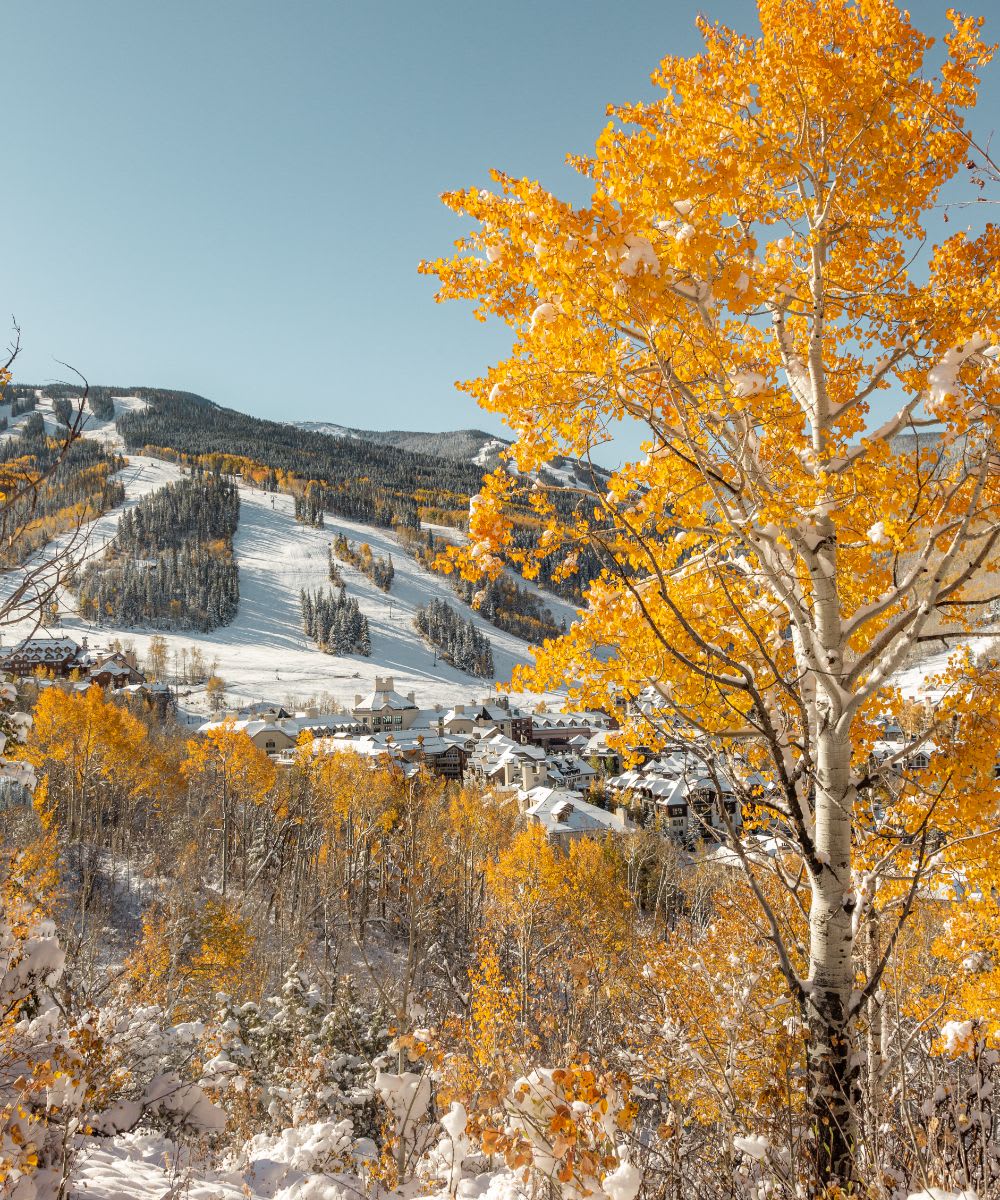
Beaver Creek is a true four-season resort with world-class skiing and a pedestrian-friendly village. Guests and buyers expect reliable transportation, easy access to lifts, and homes that simplify winter living. Basic winter-readiness like a covered entry, a functional mudroom, and a driveway that stays clear can set your property apart during peak season. For general context on the resort and amenities, visit the official Beaver Creek Resort site.
Work with a trusted local advisor
If you are weighing which projects to tackle before listing, local comps and on-the-ground feedback are essential. We regularly help owners evaluate upgrades, coordinate vetted mountain contractors, and package documentation that supports your asking price. For buyers, we flag winter-readiness features that impact daily living and rental appeal so you can purchase with confidence.
If you would like a quiet, personalized strategy session for your Beaver Creek property, reach out to Gardner & Gardner Resort Real Estate for a private, no-pressure property consultation.
FAQs
What are the biggest winter comfort upgrades for Beaver Creek homes?
- Air sealing with added attic insulation, weatherstripping on doors, and a well-tuned, efficient heating system usually deliver the fastest comfort gains.
Are cold-climate heat pumps effective at Beaver Creek’s elevation and temperatures?
- They can be when properly sized, installed by an elevation-experienced contractor, and paired with a smart backup heat strategy for very cold snaps.
How important is a mudroom for resale in Beaver Creek?
- Very important in a ski market, since durable flooring, organized storage, and boot-drying make daily living easier and signal low-maintenance convenience to buyers.
Do heated driveways and roof heat cables pay off in this market?
- They provide strong convenience and safety but carry higher installation and operating costs, so they are best for premium properties where convenience is a top priority.
What safety items should I address before listing in winter?
- Service the heating system and fireplaces, verify CO and smoke detectors, insulate vulnerable pipes, ensure clear egress paths, and document recent maintenance for buyers.