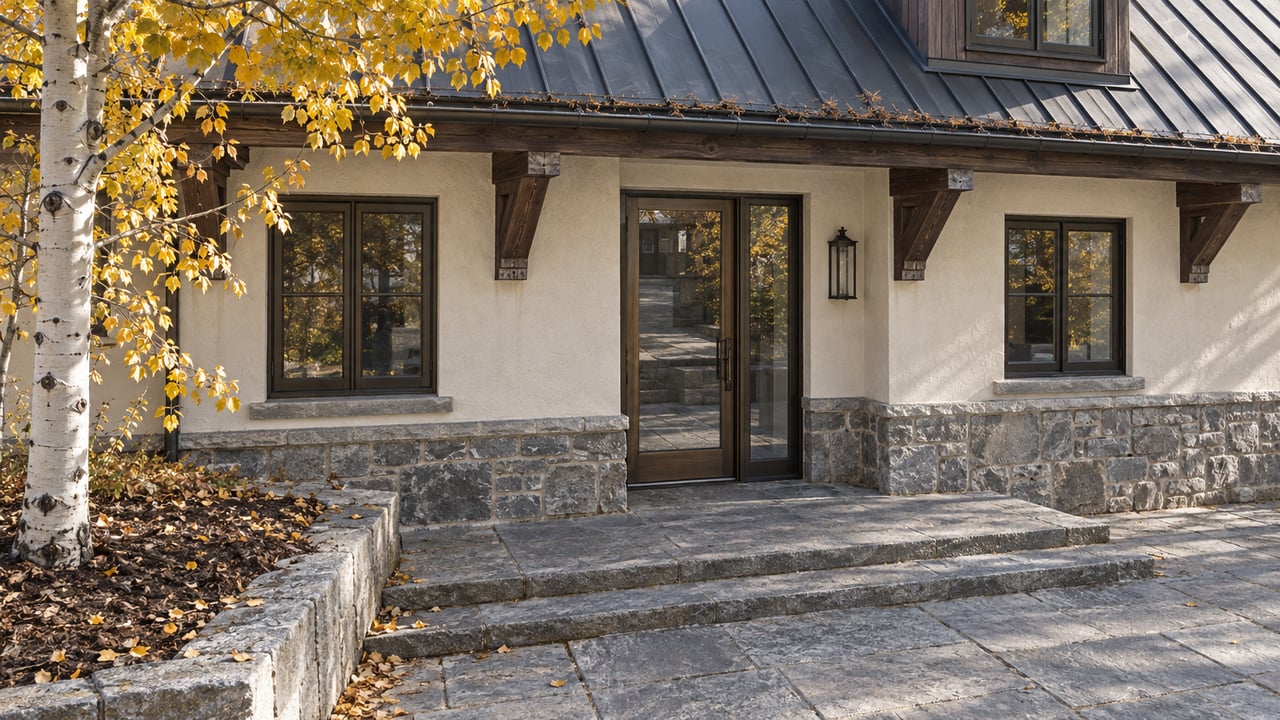
Incorporating eco-smart home upgrades is an excellent way to enhance energy efficiency without breaking the bank. As energy costs continue to rise, finding ways to reduce consumption and lower utility bills is becoming increasingly important for homeowners. Fortunately, there are numerous affordable strategies to make your home more energy-efficient, benefiting both the environment and your wallet.
Insulation Improvements
Improving insulation is one of the most effective ways to enhance energy efficiency. Proper insulation helps maintain a consistent indoor temperature, reducing the need for heating and cooling systems to work overtime. Start by checking your attic, walls, and floors for adequate insulation. Adding or upgrading insulation in these areas can significantly reduce energy loss. Consider using eco-friendly materials such as cellulose or recycled denim, which are both effective and sustainable options.
Energy-Efficient Lighting
Switching to energy-efficient lighting is a simple yet impactful upgrade. Replacing traditional incandescent bulbs with LED or CFL bulbs can drastically reduce energy consumption. These bulbs use a fraction of the energy and last much longer, providing significant savings over time. Additionally, consider installing dimmer switches or motion sensors to further optimize energy use. These devices allow you to control lighting levels and ensure lights are only on when needed.
Smart Thermostats
Installing a smart thermostat is an excellent way to optimize your home's heating and cooling systems. These devices learn your schedule and preferences, automatically adjusting the temperature to maximize comfort and efficiency. Smart thermostats can be controlled remotely via smartphone apps, allowing you to make adjustments even when you're not at home. This level of control helps reduce energy waste and can lead to substantial savings on utility bills.
Sealing Air Leaks
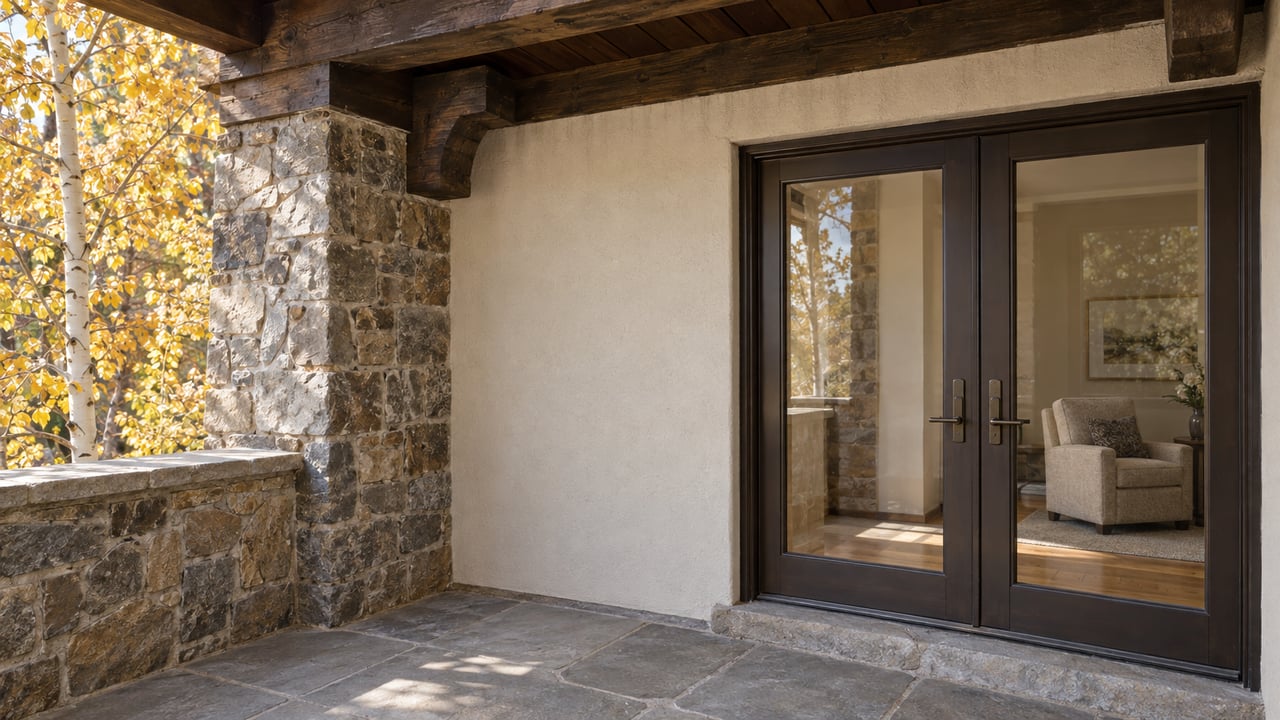
Air leaks can significantly impact your home's energy efficiency by allowing conditioned air to escape and outside air to enter. Common areas for leaks include windows, doors, and gaps around plumbing and electrical outlets. Sealing these leaks with weatherstripping or caulk can improve your home's energy efficiency. Conduct a thorough inspection of your home to identify and address any potential leaks, ensuring a more airtight and energy-efficient environment.
Energy-Efficient Appliances
Upgrading to energy-efficient appliances is a smart investment for reducing energy consumption. Look for appliances with the ENERGY STAR label, which indicates they meet strict energy efficiency guidelines. While the initial cost may be higher, these appliances use less energy and water, resulting in lower utility bills over time. Consider upgrading your refrigerator, dishwasher, washing machine, and other major appliances to more efficient models.
Low-Flow Fixtures
Installing low-flow fixtures is an effective way to conserve water and reduce energy use. Low-flow showerheads, faucets, and toilets use significantly less water without sacrificing performance. By reducing water consumption, you also decrease the energy required to heat water, leading to additional savings. These fixtures are affordable and easy to install, making them a practical upgrade for any homeowner.
Solar Panels
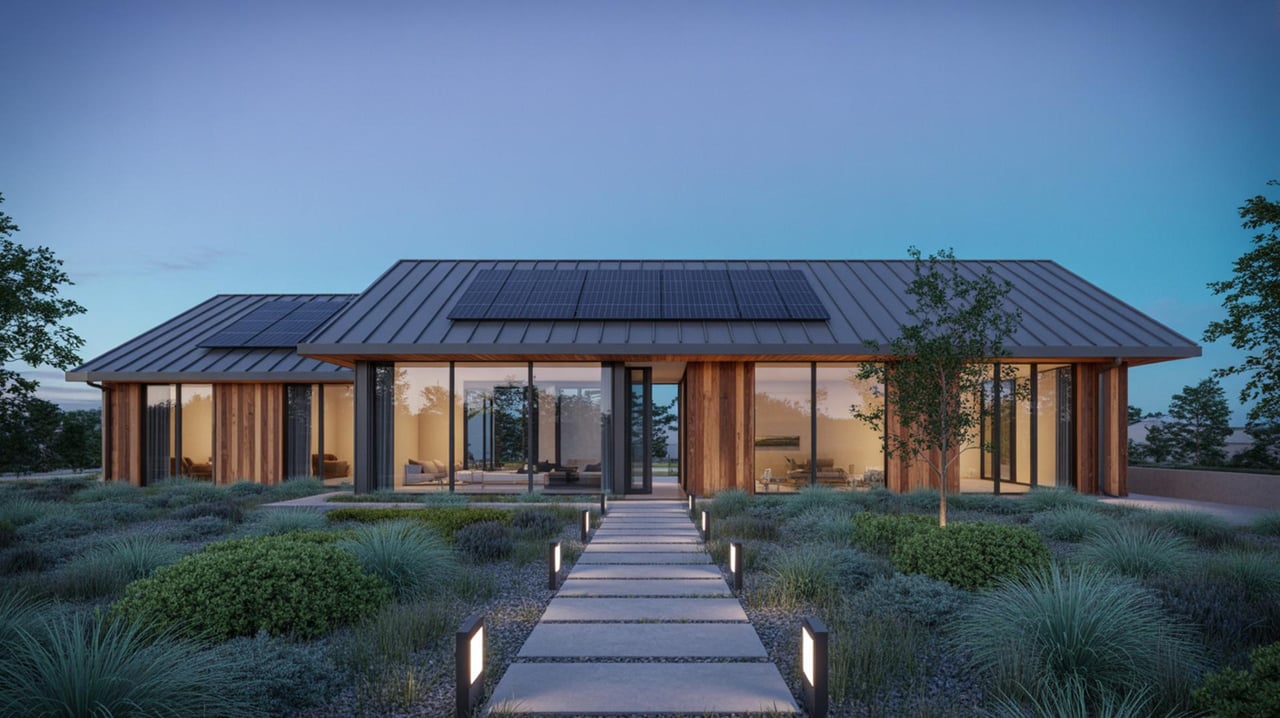
While solar panels require an initial investment, they offer long-term savings by generating renewable energy for your home. Solar panels can significantly reduce or even eliminate your electricity bills, depending on your energy needs and the size of your system. Many areas offer incentives and rebates for solar panel installation, making this upgrade more accessible. Consider consulting with a solar energy professional to determine the best system for your home and budget.
Energy-Efficient Windows
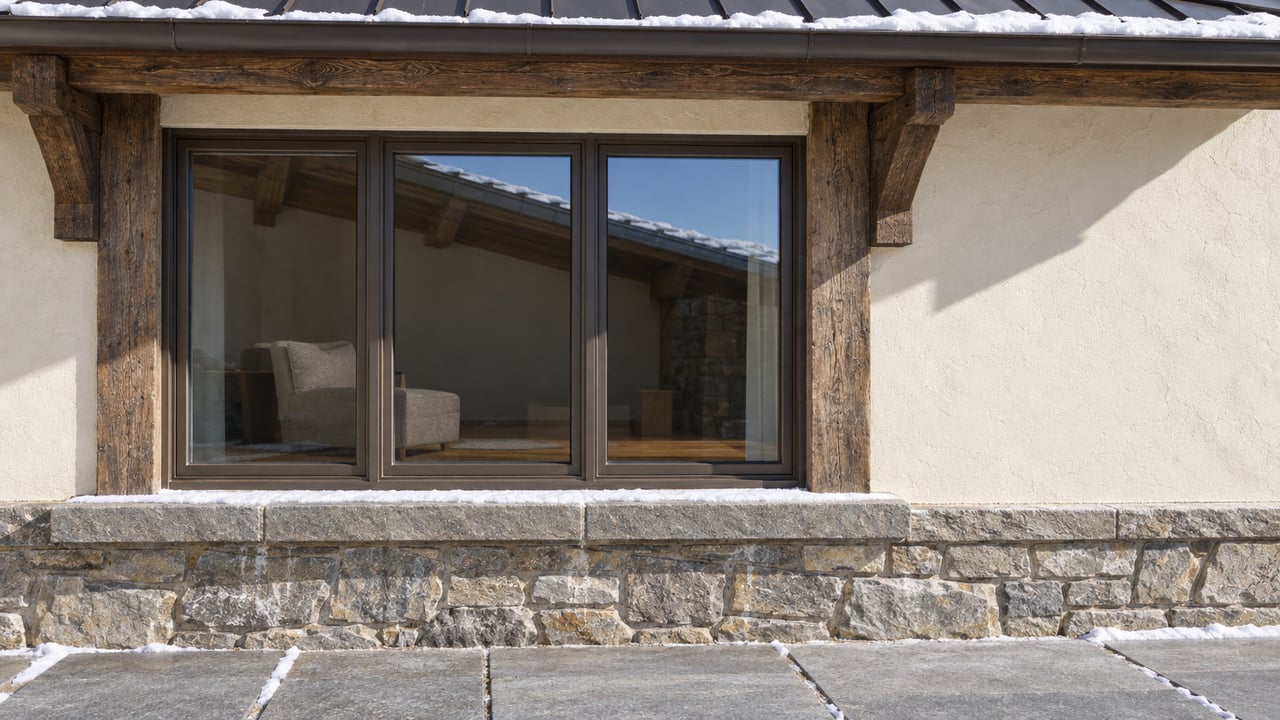
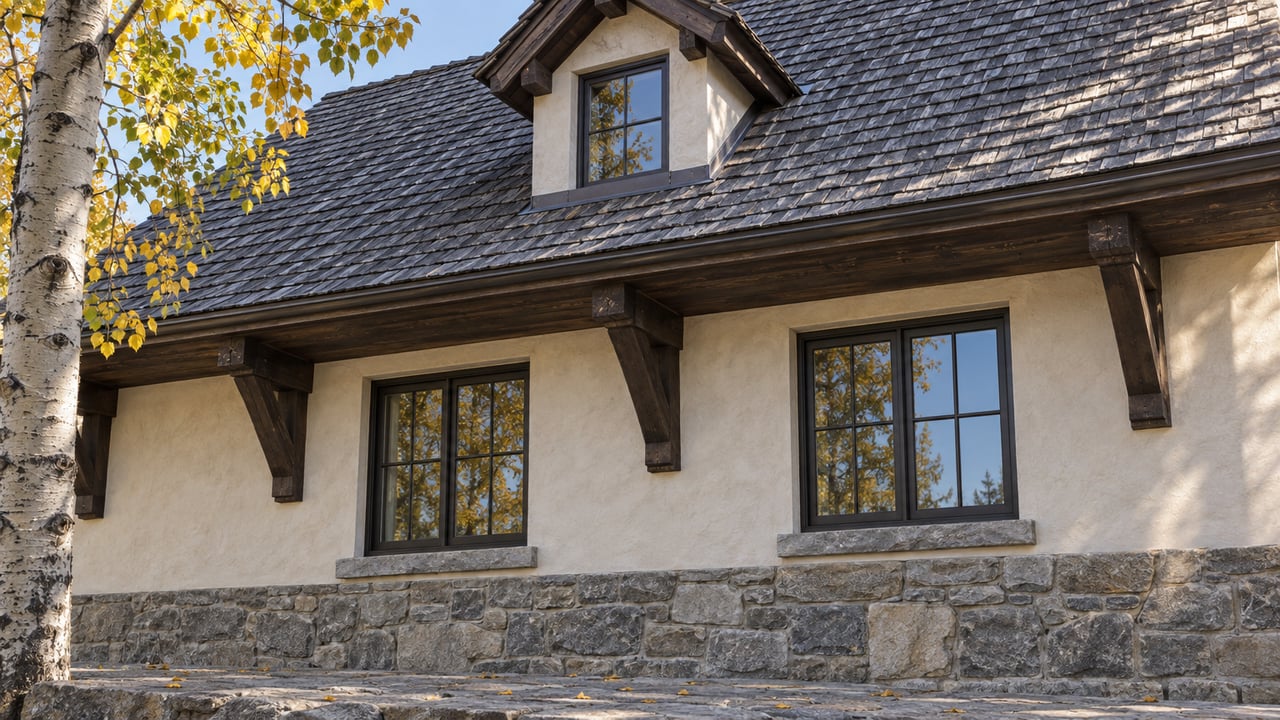
Replacing old, inefficient windows with energy-efficient models can greatly improve your home's energy performance. Energy-efficient windows are designed to minimize heat transfer, keeping your home cooler in the summer and warmer in the winter. Look for windows with low-emissivity (Low-E) coatings and double or triple glazing for optimal efficiency. While window replacement can be costly, the energy savings and increased comfort make it a worthwhile investment.
Programmable Power Strips
Many electronic devices consume energy even when turned off, a phenomenon known as "phantom load." Programmable power strips can help combat this issue by cutting power to devices when they're not in use. These power strips allow you to set schedules for turning off power to certain outlets, reducing unnecessary energy consumption. Consider using programmable power strips for entertainment systems, computer setups, and other electronics to maximize energy savings.
Landscaping for Energy Efficiency
Strategic landscaping can enhance your home's energy efficiency by providing natural shade and wind protection. Planting trees and shrubs around your home can reduce cooling costs by blocking sunlight and providing shade. In the winter, evergreen trees can act as windbreaks, reducing heating costs by minimizing cold drafts. Consider the placement and type of vegetation to optimize energy savings and enhance your home's curb appeal.
Embrace Energy Efficiency Today
Upgrading your home with eco-smart features doesn't have to break the bank. By making small, budget-friendly changes, you can enjoy a more energy-efficient home and save on utility bills. Start your journey towards a greener home today and make a positive impact on the environment. For personalized advice and more eco-friendly home solutions, contact Gardner & Gardner Resort Real Estate to explore your options.